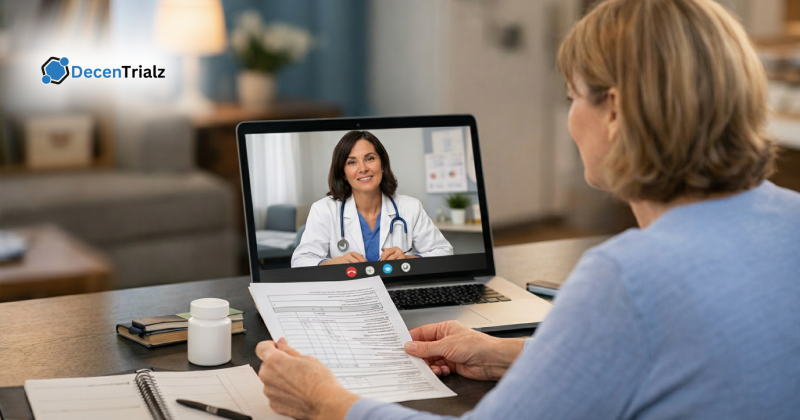
Telemedicine in clinical trials is changing how participants attend study visits by enabling virtual interactions and remote assessments when appropriate.
As clinical research continues to evolve, telemedicine has become an important option for helping participants stay connected with study teams while reducing unnecessary travel.
Telemedicine became more common as trials sought ways to improve convenience and access for participants who may live far from research sites or have mobility, work, or caregiving responsibilities. While this approach supports flexibility, it does not reduce the importance of safety, medical oversight, or regulatory compliance. These principles remain central to every clinical trial.
What Telemedicine Means in Clinical Trials
Telemedicine in clinical trials refers to the use of secure communication tools that allow participants to interact with research teams remotely. These interactions may include video calls, phone conversations, or other approved digital methods.
Unlike traditional trials where every visit requires attending a study site in person, telemedicine in clinical trials allows certain visits to take place remotely when permitted by the study protocol. This approach is carefully planned and reviewed to ensure participant safety and data quality are maintained at all times.
Types of Telemedicine Visits Participants May Experience
Participants taking part in telemedicine in clinical trials may experience several types of virtual visits, depending on the study design.
These may include video consultations with investigators, scheduled phone check-ins, follow-up discussions after in-person visits, or routine symptom reviews. Such virtual visits help participants stay engaged with the study while minimizing the burden of frequent travel.
The specific format and frequency of telemedicine visits vary by trial. Some studies use telemedicine occasionally, while others use a hybrid approach throughout the study period.
What Remote Assessments Can and Cannot Replace
Remote assessments play an important role when using telemedicine in clinical trials, but they are not suitable for every study activity.
Some tasks can often be completed remotely, such as health questionnaires, symptom reporting, side-effect discussions, medication adherence check-ins, and quality-of-life surveys. These remote assessments help researchers gather important information while allowing participants to remain at home.
However, many procedures still require in-person visits. Imaging tests, laboratory blood draws, physical examinations that require specialized equipment, and medical procedures must be performed at approved clinical sites. Telemedicine supports these activities but does not replace them.
Benefits of Telemedicine for Trial Participants
Telemedicine in clinical trials offers several benefits that can make participation more manageable.
Participants may experience reduced travel time, greater scheduling flexibility, and improved access to studies that might otherwise be difficult to attend. Telemedicine can be especially helpful for individuals who live far from research centers or who face mobility challenges.
In some cases, telemedicine also supports better continuity of care by allowing more frequent communication with the study team without requiring additional site visits.
Practical Limits of Telemedicine in Clinical Trials
Despite its benefits, telemedicine in clinical trials has clear practical limits.
Some visits must occur on site due to safety monitoring requirements, regulatory expectations, or the need for direct medical evaluation. Clinical trial protocols specify which activities can be conducted remotely and which must be completed in person.
Technology access can also affect participation. Reliable internet connections, suitable devices, and private spaces are necessary for virtual visits. For these reasons, telemedicine is most often used as part of a hybrid trial model rather than as a fully remote solution.
Safety, Privacy, and Regulatory Oversight
Safety and confidentiality remain essential when telemedicine in clinical trials is used. Virtual visits are conducted using secure platforms designed to protect personal health information.
Participants are advised to attend virtual visits from private locations and follow guidance from the study team to maintain confidentiality. Oversight committees and regulators continue to review how telemedicine is implemented to ensure participant protection.
Regulatory authorities such as U.S. Food and Drug Administration support the appropriate use of telemedicine and remote trial activities when safety, data integrity, and oversight requirements are met.
How Participants Can Know If a Trial Uses Telemedicine
Participants can usually determine whether a clinical trial includes telemedicine by reviewing the study description and visit schedule. These materials typically explain which visits are virtual and which require in-person attendance.
Having this information early helps participants decide whether a study fits their needs. This early alignment, sometimes described as an instant match, allows individuals to understand visit expectations before committing to participation.
How DecenTrialz Helps Participants Find Trials with Telemedicine Options
DecenTrialz helps participants identify clinical trials that include remote or hybrid visit options by clearly presenting study requirements and visit formats upfront. This clarity supports informed decision-making and helps participants choose studies that align with their availability, location, and comfort level.
By presenting straightforward trial details, DecenTrialz provides information about clinical trials, including how telemedicine is used and whether in-person visits are required.