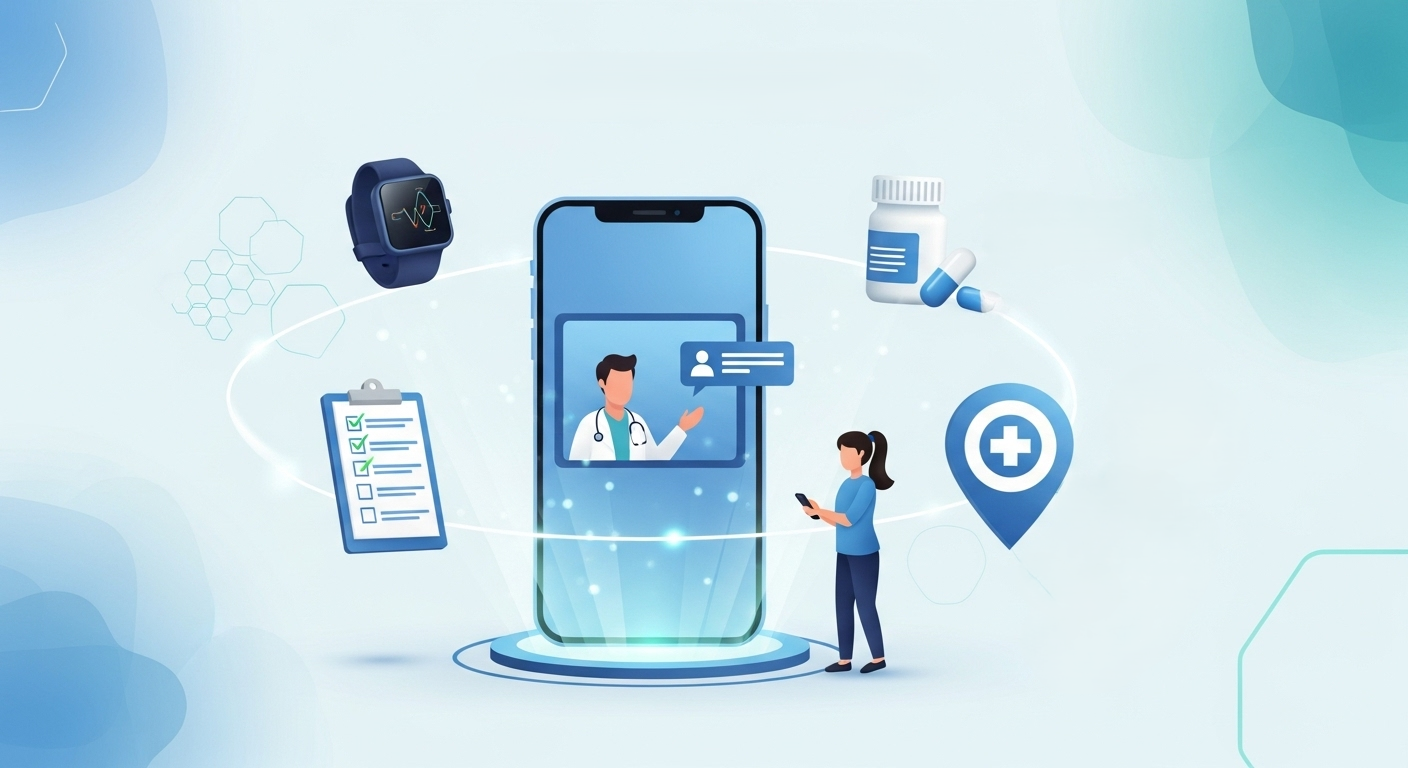
AI in decentralized clinical trials is reshaping the way clinical research is conducted. What was once considered experimental, like decentralized trials (DCTs), hybrid models, and AI-driven solutions, is now becoming standard practice. The change is driven by rapid advancements in technology, evolving patient expectations, and a regulatory environment that is increasingly supportive of innovation. For sponsors, adapting to these trends is no longer optional. Embracing AI, DCTs, and hybrid models can improve efficiency, reduce costs, and provide better experiences for participants.
What is Driving the Change in Clinical Trials?
The clinical research landscape is evolving due to a combination of technological, patient-centered, and regulatory factors.
- Technology adoption: Wearables, mobile apps, cloud-based platforms, and connected devices now play a key role in recruitment, data collection, and patient monitoring. These tools allow trials to capture real-time data and provide more accurate insights.
- Patient expectations: Modern trial participants want flexibility, convenience, and transparency. They prefer trials that minimize disruption to their daily lives, making remote and hybrid models increasingly attractive.
- Regulatory support: Agencies like the FDA encourage remote elements in clinical trials. This trend was accelerated by the COVID-19 pandemic, which highlighted the need for adaptive and patient-friendly trial designs.
- Global collaboration: Multi-country trials require workflows that can adapt across different regions and regulatory environments. Digital tools make this possible while maintaining consistency and quality in data collection.
These factors are shaping a future where clinical trials are more accessible, efficient, and patient-centered. AI is central to this transformation, enabling sponsors to manage trials more effectively and make faster, data-driven decisions.
Understanding Decentralized Clinical Trials (DCTs)
What Are DCTs?
Decentralized clinical trials use digital solutions like telehealth, remote monitoring, and home visits to conduct research without requiring participants to travel to a central site. Patients can now contribute to research from their homes, sharing data through wearable devices, mobile apps, and online portals. Virtual consultations replace some in-person visits, making participation more convenient and inclusive.
Why Sponsors Should Care About DCTs
- Broader participant reach: DCTs allow access to patients who might otherwise be unable to participate due to geographic or mobility constraints. This includes rural, underserved, and diverse populations.
- Reduced site burden: By leveraging remote data collection, sponsors can reduce dependence on physical trial sites, lowering overhead costs and operational complexity.
- Improved trial diversity: Access to a wider pool of participants helps meet FDA diversity guidance and supports inclusive research practices.
Key Considerations for Sponsors
To implement DCTs effectively, sponsors need to ensure compliance with regulations like HIPAA and ICH-GCP. Secure and user-friendly platforms for telehealth, eConsent, and remote monitoring are essential. Data collected remotely must be verified to maintain accuracy and integrity. Sponsors also need to train their teams to manage remote workflows efficiently.
Hybrid Trials: Combining On-Site and Remote Participation
Hybrid trials combine traditional site visits with decentralized components. This approach provides participants with flexibility while maintaining the oversight needed for complex procedures.
Advantages of Hybrid Trials
- Flexibility for patients: Participants can choose whether to attend in-person or remote visits.
- Better retention: Fewer travel requirements and easier scheduling keep participants engaged throughout the study.
- Efficient site management: Sites can handle a larger patient load without sacrificing quality or compliance.
Hybrid models are particularly effective in therapeutic areas like oncology, where certain medical procedures must occur at a site, but follow-up visits can be conducted remotely. By combining the best elements of decentralized and traditional trials, hybrid models improve operational efficiency while enhancing the patient experience.
The Role of AI in Clinical Trials
AI in decentralized clinical trials is transforming recruitment, data collection, monitoring, and analysis. AI tools help sponsors make informed decisions faster, improve patient safety, and reduce trial timelines.
Key Benefits of AI
- Recruitment: AI algorithms can process large datasets to identify eligible participants quickly and accurately. This improves recruitment efficiency and reduces delays.
- Data monitoring: AI can detect anomalies in real time, allowing researchers to address safety concerns immediately.
- Predictive analytics: AI helps anticipate patient dropouts or adverse events, enabling proactive management of risks.
How Sponsors Benefit from AI
- Faster decision-making: AI accelerates the review of clinical data, enabling sponsors to act promptly.
- Improved accuracy: AI identifies trends and patterns that manual review might miss, enhancing the reliability of trial data.
- Greater efficiency: Automating routine tasks frees staff to focus on complex activities that require human oversight.
Preparing for AI in Clinical Trials
Sponsors can get the most value from AI by integrating it with existing systems like CTMS platforms. Teams should be trained to interpret AI-driven insights, and algorithms must be validated to meet regulatory standards and ensure data integrity.
Overcoming Challenges in Digital and AI-Enabled Trials
While decentralized and AI-driven trials offer significant advantages, sponsors must navigate some challenges:
- Regulatory compliance: All digital tools must meet FDA, HIPAA, and ICH-GCP standards.
- Data security: Virtual trials require strong encryption and strict access controls to protect participant information.
- Change management: Transitioning to new models demands investment in technology, team training, and updated processes.
The Advantage of Early Adoption
Sponsors who embrace decentralized, hybrid, and AI-driven approaches early can achieve:
- Faster recruitment and higher retention rates.
- Lower operational costs and more efficient use of resources.
- Greater participant satisfaction through convenient and flexible trial options.
- Credibility with regulators and participants as industry innovators.
Example: A U.S.-based oncology sponsor adopted a hybrid approach, reducing recruitment timelines by 30% and increasing participant diversity by 20%, outperforming traditional trial benchmarks.
Conclusion
The future of clinical trials belongs to sponsors who are willing to embrace change. AI in decentralized clinical trials is no longer optional; it is essential for efficiency, compliance, and patient-centered research. By adopting flexible trial designs, leveraging modern systems, and building strong partnerships, sponsors can accelerate timelines, improve trial quality, and provide better outcomes for patients.