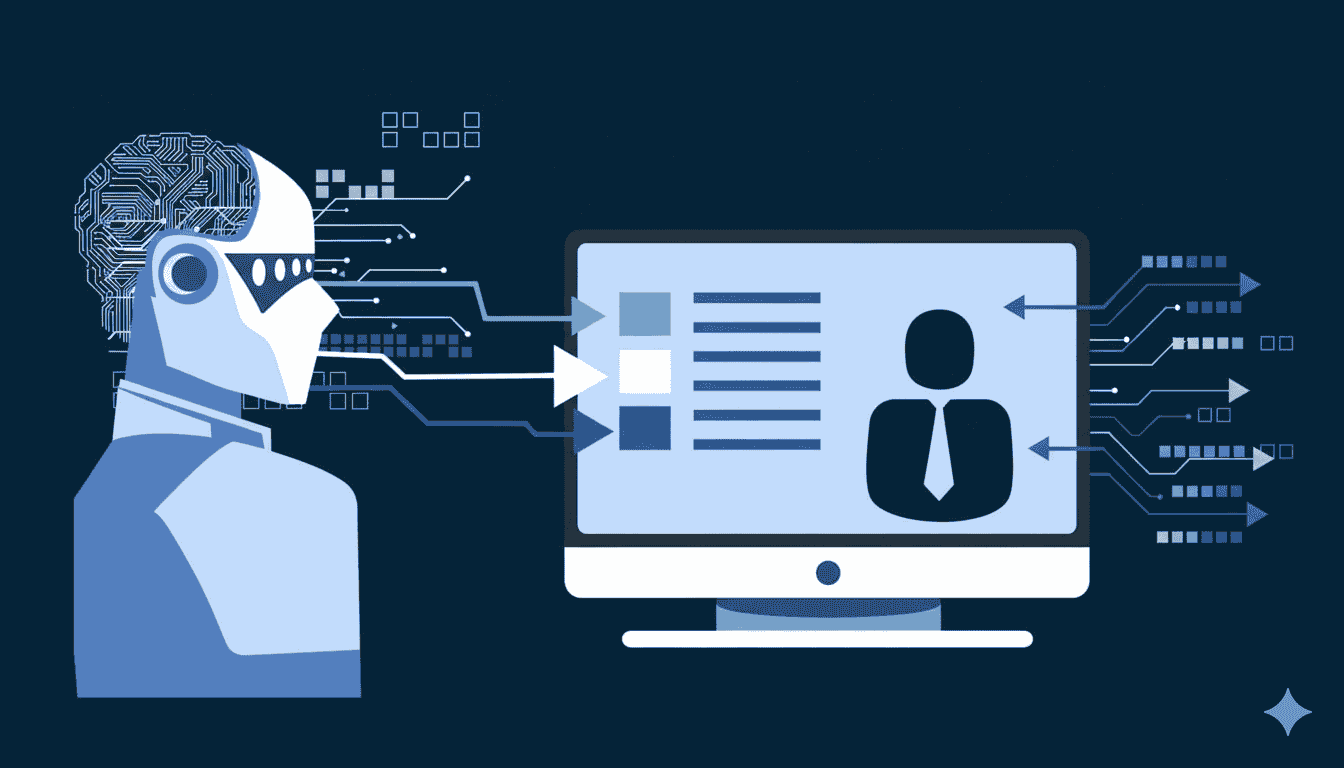
AI CRO operations are transforming how Clinical Research Organizations (CROs) keep clinical trials moving. CROs design studies, manage sites, monitor data, and ensure everything meets strict regulatory standards. But as trials grow more complex, traditional approaches often struggle to keep pace.
That is where artificial intelligence comes in. AI CRO operations are no longer just a futuristic concept, they are becoming a practical solution for some of the most pressing challenges in research. AI is not here to replace people; it is here to give CRO teams better tools, sharper insights, and a more efficient way to manage the work that keeps studies on track.
AI CRO operations Expanding Role of CROs
CROs have always carried a wide range of responsibilities. From early feasibility studies to regulatory submissions and data analysis, their role is to make sure promising science moves forward without unnecessary delays.
The challenge is that every part of a trial is now bigger. Datasets are larger. Oversight is stricter. Sponsors expect faster results. And participants need a better experience if they are going to stay engaged through the end of the study.
AI helps CROs balance these growing demands. By handling repetitive tasks and quickly spotting patterns in data, AI allows CRO professionals to focus on higher-level decisions, the kind that improve trial outcomes and strengthen sponsor relationships.
Recruitment That Works Smarter
AI CRO operations are addressing one of the biggest causes of trial delays: patient recruitment. Ask any CRO where trials most often get delayed, and recruitment will likely top the list. Finding and enrolling the right participants takes enormous effort, and even then, retention is not guaranteed.
Artificial intelligence makes this process faster and more precise. By scanning medical records, lab data, and even demographic information, AI can identify individuals who may qualify for a trial in a fraction of the time it takes with manual reviews.
Solutions like DecenTrialz take this a step further. With AI-driven pre-screening, CROs can see eligible candidates earlier and pass cleaner lists to sites. This saves time, reduces costs, and improves diversity by reaching communities that might otherwise be missed.
And recruitment is not just about identifying people. AI-powered outreach, such as automated reminders or tailored communication, keeps potential participants engaged so fewer drop out before enrollment begins.
Smarter Data Management
AI CRO operations are transforming how clinical trials handle vast amounts of data. Clinical trials generate mountains of information. Every lab test, every site visit, and every safety report must be captured, verified, and stored. This is one of the most resource-heavy jobs CROs handle, and it is where AI truly shines.
AI tools can clean data in real time, flagging errors before they create larger issues. Machine learning models can highlight unusual safety signals early, while natural language processing can quickly interpret clinical notes that used to take staff hours to review.
The result is not just speed but quality. Sponsors get real-time insights into study progress, while CRO teams spend less time on error correction and more time on meaningful analysis.
Making Workflows More Efficient
AI CRO operations support the operational side of trials, where paperwork, scheduling, and constant coordination often slow progress. Running a trial is not only about science; it also involves extensive documentation, timelines, and cross-team communication.
Document review and regulatory submissions can be checked automatically for missing details. Site performance can be tracked across dozens of metrics without manual spreadsheets. Scheduling can be handled by smart systems that reduce back-and-forth emails.
These small but constant efficiencies add up. Less time spent chasing paperwork means more time supporting sites, guiding participants, and ensuring the trial delivers on its goals.
Supporting Participant Retention
Enrolling participants is one hurdle, but keeping them engaged through the end of a study is just as important. Dropouts create delays, add costs, and in some cases jeopardize the reliability of results.
AI CRO operations help CROs spot early signs of participant disengagement. For example, if a participant starts missing appointments or logs unusual health data, an AI system can alert coordinators to intervene quickly. Personalized communication strategies can also be adjusted in real time, giving people the support they need to stay with the study.
Retention is not just a number on a report, it is about building trust. When participants feel supported, they are more likely to complete the study. AI gives CROs the insights to make that support consistent and proactive.
What the Future Holds
AI CRO operations are still evolving, but CROs are already seeing what is possible. The future may include predictive recruitment models that forecast which sites will meet enrollment goals, or adaptive trial designs that shift in real time as new data arrives. AI also makes decentralized and hybrid trials easier to run, combining remote monitoring with site-based support.
The most exciting part is how AI strengthens the human side of clinical research. By removing busywork and surfacing better insights, CRO professionals can spend more time solving real problems, guiding sponsors, and supporting participants.
Closing Perspective
AI CRO operations are not about replacing expertise; they are about enhancing it. CROs that embrace artificial intelligence today will be able to deliver faster recruitment, cleaner data, and smoother workflows tomorrow.
By combining human experience with trial technology, CROs can position themselves not just as service providers, but as innovation partners who set the pace for the entire industry.