Blog

  • How Clinical Trials Advance Medicine and Change Lives

    How Clinical Trials Advance Medicine and Change Lives

    Every treatment we rely on today had to begin somewhere. The painkiller you take for a headache, the vaccines that protect against serious diseases, even cutting-edge cancer therapies, all of them started as an idea. But before any of these reached pharmacies or hospitals, they had to be tested through clinical trials.

    Clinical trials might sound complex, but at their core they are carefully designed studies that check if new treatments are safe and effective in real people. Without them, doctors would be left guessing about whether a therapy helps or harms.

    So why do these trials matter so much, how do they shape the future of medicine, and what role do volunteers play? Let’s take a closer look.

    Why Real-World Testing Matters

    Many medical breakthroughs start in the lab. A scientist may identify a molecule that looks promising or a therapy that seems to work in animals. But what succeeds in a lab does not always succeed in people. The human body is more complex, and this is exactly why clinical trials are essential.

    These studies are never casual experiments. They follow strict rules set by regulators like the FDA to ensure participant safety and reliable results. Without trials, we would have no filter to separate real progress from guesswork.

    Think of trials as the bridge between discovery and daily care. They show whether a treatment that looks good on paper can actually help patients. And because modern trials strive to include people of different ages, genders, and backgrounds, the results better reflect the diversity of real-world populations.

    From Idea to Treatment

    Every potential therapy begins as a concept, maybe a drug that could block a virus or a treatment that could shrink a tumor. In the early stages, research happens in labs. Eventually, it must be tested in people.

    Clinical trials are how that testing happens. Each phase answers a different question: Is the treatment safe? Does it work as expected? What side effects appear? Who benefits most? To understand the basics of how trials are designed and conducted, you can read our earlier blog on what clinical trials are and how they work

    The answers build layer by layer. When enough evidence shows a treatment is both safe and effective, regulators can approve it, and doctors can begin offering it to patients. It takes time, but that is what builds trust. By the time a therapy is available, it has been studied carefully and tested in real-world situations.

    Taking On Rare Diseases and Global Threats

    Not every trial focuses on common conditions. Some of the most important ones tackle rare diseases or urgent threats where no approved treatments exist.

    For people living with rare conditions, a clinical trial may be the only chance to try a potential therapy. With more than 7,000 rare diseases identified and most still without approved treatments, trials often bring hope where few options exist.

    We have also seen their importance during emergencies. During the COVID-19 pandemic, researchers and volunteers around the world worked together to test vaccines at record speed. Millions of lives were protected because so many stepped forward. Trials do not just shape the future of medicine, in the right moments, they save lives in the present.

    The Role of Volunteers

    Behind every trial are the people who choose to participate. Without volunteers, research simply cannot move forward.

    Participants, whether they are living with a condition or perfectly healthy, help answer critical questions. Their experiences tell researchers how well a treatment works, what side effects it may cause, and who benefits most.

    Not every volunteer sees personal benefits, though many do. Some gain early access to promising therapies, receive close medical monitoring, or have costs like travel covered. But beyond individual benefits, there is something greater: the knowledge that their involvement could help others in the future.

    In many ways, trial participants are quiet heroes. Their willingness to contribute makes it possible for science to move from the lab to the clinic, turning ideas into care.

    Moving Medicine Forward Together

    Clinical trials are not only about data or regulations. They are about people and progress. They turn experimental science into real treatments, expand care for difficult conditions, and push healthcare toward greater inclusivity.

    And at the heart of it all are the volunteers. People who give their time, share their experiences, and help researchers answer the toughest questions. Without them, new medicines and vaccines would remain ideas instead of becoming lifesaving solutions.

    If you have ever wondered whether joining a trial might be right for you, or simply want to see what opportunities exist, you can explore studies on the DecenTrialz It is a straightforward way to discover what trials are available and how you might play a role in moving medicine forward.


  • The Hidden Cost of Slow Recruitment in Clinical Trials: Why Time-to-First-Patient Matters

    The Hidden Cost of Slow Recruitment in Clinical Trials: Why Time-to-First-Patient Matters

    Time is more than just money in clinical trials; it’s also a market opportunity. The time-to-first-patient (TFP) countdown starts as soon as a protocol is approved. This is the number of days that pass between site activation and the first participant’s enrollment.

    Because a slow start frequently indicates a slow enrollment, sponsors and CROs keep a close eye on TFP. The entire trial period may exceed budget, postpone market entry, and even reduce the therapy’s competitive edge if it takes months to find the first patient.

    The True Cost of Delays

    Every day without a participant enrolled in the study can impact budgets and outcomes:

    Budget overruns include increased project management fees, higher monitoring expenses, and longer site staffing.

    Opportunity cost: The later a therapy enters the market, the shorter the time before competitors arrive or patent exclusivity ends.

    Regulatory risk: Delays might require protocol revisions or reapprovals, which would further slow down the process.

    Nearly 80% of clinical trials miss their enrollment deadlines, according to a Tufts Center for the Study of Drug Development analysis. Slow TFP is frequently the first indication of an approaching hiring crisis.

    Why Clinical Trial Recruitment Starts Slowly

    A number of recurring factors slow down the hiring process:

    Restrictive eligibility: The pool of possible participants is reduced by strict inclusion/exclusion criteria.

    Geographical barriers: Participation is discouraged by long travel distances or relocation requirements.

    Site resource limitations: Some research sites don’t have technology tools or specialized recruitment staff.

    Low patient awareness: A lot of patients are unaware that they can participate in trials.

    Without early planning, these barriers can keep trials stalled at zero participants for weeks or months.

    How Clinical Trial Recruitment Platforms Help

    The speed at which the first patient is enrolled is being changed by clinical trial finder platforms. These tools use criteria like diagnosis, location, and trial phase to match eligible participants to ongoing studies.

    Electronic Health Record (EHR) databases are frequently integrated with modern platforms to expedite the process of identifying eligible patients.

    Patient advocacy organizations should reach out to reliable networks.

    Digital campaigns that are specifically targeted to underrepresented groups.

    Some patient-focused companies, including those using pre-screening and matching tools like DecenTrialz (which does not conduct trials but connects patients with research sites), are showing how technology bridges the gap between eligible participants and active studies. The result? Shorter TFP without sacrificing compliance or safety

    Compliance and Patient Safety

    Recruitment tools are only effective if they operate within strict IRB or Ethics Committee–approved protocols and HIPAA privacy standards. This means:

    Patient data must be stored and transmitted securely.

    Consent procedures to be clear and simple to understand.

    Outreach should never take place without first undergoing ethical and legal review.

    A platform that speeds up recruitment but violates privacy rules risks regulatory shutdowns—which can delay a trial far longer than slow enrollment ever would.

    Best Practices to Improve Recruitment Efficiency

    Trial teams need to stick to proven techniques to maintain TFP short even with the best technology:

    Prior to human outreach, pre-screening automation removes patients who are not eligible.

    Reach a wider range of patient communities with multilingual outreach.

    Patients can pre-qualify without physically visiting a location,thanks to remote eligibility checks.

    Real-time recruitment analytics: Modify campaigns according to what is effective and the locations of bottlenecks.

    Multilingual outreach alone can boost recruitment rates by up to 20% in international studies, according to one industry report. This is a big impact when every day counts.

    More Than Just Money: Quicker Recruiting Resulted in Quicker Patient Access

    Faster TFP means less financial strain for sponsors. Patients will have faster access to potentially life-saving treatments as a result. Therefore, establishing trust and removing obstacles should be the main goals of contemporary recruitment strategies, whether they are implemented locally or through technological platforms.

    Platforms such as DecenTrialz, which links patients with research sites without conducting trials, and others in the field show that speed, privacy, and compliance can all coexist. Trials are more likely to conclude on schedule, within budget, and with significant results when they get off to a strong start.

    In addition to being a scheduling annoyance, slow recruitment has hidden costs that impact patient care, market access, and budgets. There will be quantifiable benefits for sponsors and sites that put lowering TFP first through careful planning, tech-enabled matching, and compliant outreach.

    The first patient enrolled may set the pace for the entire trial in a competitive clinical research environment. Results and possible new treatments may reach those who need them most quickly if the patient is enrolled as soon as possible.

  • Hope in Research: How Clinical Trials Are Transforming Rare Disease Treatment

    Hope in Research: How Clinical Trials Are Transforming Rare Disease Treatment

    Every day can seem like an uphill climb with many unsolved questions for someone who has a rare disease. It frequently takes years to find a proper diagnosis, available treatments, and emotional support. Finding qualified medical professionals or specialized care is made even more difficult by the fact that many rare diseases only affect a small percentage of people worldwide. In addition to geographic isolation, patients and their families may experience a lack of research and public awareness regarding their condition.

    However, there is still hope. Researchers, medical professionals, and patient groups are working together to rewrite the story all over the world. Rare disease clinical trials, which are meticulously planned studies that test novel treatments, therapies, and supportive care techniques for conditions that were previously believed to be incurable, are among the most promising and transformative avenues for the future. These trials represent resiliency and teamwork in addition to being a source of medical innovation.

    Patients at the Heart of the Process

    Rare disease trials present a special challenge in recruiting participants. Patients with rare diseases are frequently dispersed throughout several nations and even continents, in contrast to more common conditions where sizable patient pools are available. Although this geographic dispersion can make outreach challenging, it has also spurred creative solutions.

    To find and get in touch with possible participants, a lot of research sponsors work closely with patient advocacy organizations. These groups, which are frequently started by disease-affected patients or their families, offer important insights into the needs and priorities of patients. They aid in bridging the gap between the lived experiences of individuals who are directly impacted and scientific research.

    Being a part of these networks is more than just a recruitment step for patients and their families; it’s a lifeline. Advocacy groups frequently assist patients in navigating eligibility requirements, offer peer communities as emotional support, and provide educational materials regarding the trial process. This advice can turn what could otherwise seem like a frightening medical procedure into a cooperative experience, guaranteeing that participants feel empowered and informed throughout.

    Making Trials Easier to Join

    Researchers are aware that patients may be discouraged from taking part in clinical trials due to practical issues like travel distance, expense, and time away from family or work. For patients with rare diseases, who may already be balancing complicated care regimens and specialist visits, these obstacles can be especially important.

    Sponsors may provide: Travel reimbursement, if available, to alleviate patients’ and caregivers’ financial burdens, depending on the study.

    In certain situations, stipends or compensation are given to make up for lost wages or other costs.When possible, medical professionals will visit patients at home for specific tests or procedures, eliminating the need for frequent trips to the clinic.In certain situations, doctors can use remote monitoring technologies to track side effects and progress in real time without having to travel constantly.

    By guaranteeing that patients from various locations and backgrounds can participate, these actions not only facilitate participation but also advance inclusivity. By centralizing participant support and trial information, DecenTrialz helps people find opportunities that fit their needs without having to spend weeks looking. The research site always handles informed consent and final eligibility checks.

    Safety and Privacy Come First

    It makes sense that safety and privacy would be the top concerns for patients thinking about participating in a clinical trial. Like all clinical research, rare disease studies are subject to stringent ethical and legal requirements. An independent committee charged with safeguarding the rights and welfare of participants, known as an Ethics Committee in other countries or an IRB in the United States, reviews each trial.

    Furthermore, confidentiality of all personal health information is guaranteed by adherence to the Health Insurance Portability and Accountability Act (HIPAA). Participants can rest assured that their medical information will be securely stored and handled in accordance with the consent form.

    In addition to regulations, contemporary trials frequently incorporate additional safety measures like round-the-clock medical hotlines, thorough informed consent procedures, and frequent health check-ins. These steps assist researchers in keeping an eye on patient safety throughout the entire process.

    New Treatments Through Orphan Drug Development

    Orphan drug development has been a key factor in the advancement of rare disease research. According to the Orphan Drug Act, orphan drugs are made especially for illnesses that only affect a small patient population, usually less than 200,000 people in the United States. Because of the low commercial return, pharmaceutical companies have historically been hesitant to invest in such treatments. But the field has changed as a result of specific government incentives, tax credits, and scientific discoveries.

    These days, highly individualized and successful treatments are being made possible by orphan drugs. These therapies are sometimes the first authorized treatments for certain conditions, giving patients a chance at a better quality of life where none previously existed.

    Even though not every trial results in a medication that is ready for the market, each one provides important information about the course of the disease, patient reaction, and possible treatment strategies. This body of knowledge speeds up development and creates opportunities for new inventions over time. Before taking part in a trial, talk to your doctor about the risks and potential lack of direct personal benefit.

    Finding Opportunities to Participate

    The emergence of technology-driven trial matching platforms is one of the most empowering changes in clinical research. Patients can now find out about research opportunities without having to rely entirely on their physicians. People can now look for trials that fit their condition, medical history, and even personal preferences like location or travel restrictions thanks to safe online resources.

    By centralizing trial listings and providing patient-friendly search tools, organizations and platforms like DecenTrialz are assisting in streamlining this process. Finding relevant studies, whether hospital-based, hybrid, or fully decentralized, is facilitated and expedited by these resources.

    A Step Toward Hope 

    Enrolling in a clinical trial for a rare disease is not only a personal choice; it is also a way to support the community of patients, families, and researchers who are trying to find better cures and treatments. Even if there isn’t an immediate breakthrough from the trial, each volunteer’s experience helps shape the future of care.

    Although the path with a rare disease is lengthy and unpredictable for many, clinical trials provide a feeling of purpose and direction. The idea of a better tomorrow gets closer to reality with every study that is started, patients that are enrolled, and discoveries that are made.

    Clinical trials for rare diseases are tales of tenacity, willpower, and hope that go beyond simple scientific research. They also act as a reminder to those who are still looking for answers that change frequently starts with tiny but significant advancements and that progress is achievable.

  • The clinician’s role in expanding patient access to clinical trials

    The clinician’s role in expanding patient access to clinical trials

    The clinician role in clinical trials has never been more essential. Clinical studies remain the foundation of medical innovation, but a persistent challenge slows progress, patient enrollment. Nearly 80 percent of trials in the United States face recruitment delays, according to the NIH. This means promising therapies take longer to reach the people who need them, and patients miss opportunities for access to cutting-edge care.

    Clinicians can change that trajectory. As the most trusted figures in healthcare, physicians and other providers are uniquely positioned to connect patients with research opportunities. When a doctor introduces a trial, patients are more likely to listen, ask questions, and consider joining. In other words, the physician role is not just about delivering care, it is also about opening doors to research that can benefit both the individual and the broader population.

    Why clinicians matter in clinical trials

    The clinician role in clinical trials is built on trust. Surveys consistently show that patients view their doctor as their most reliable source of medical information. When a physician discusses research participation, the recommendation carries more weight than advertising, social media, or even advice from friends.

    Clinicians serve multiple functions in this context:

    • Trusted advisors: Their guidance reassures patients that a study is credible and worth considering.
    • Educators: They simplify complex study designs, explaining them in terms patients understand.
    • Gatekeepers: With knowledge of medical history and conditions, clinicians can identify who is most likely to qualify.
    • Advocates: They ensure patients know that trial participation is voluntary and safety is closely monitored.

    By combining these roles, clinicians become one of the strongest levers for improving trial recruitment and diversity.

    Patient benefits when clinicians engage in trials

    For patients, having their clinician introduce research opportunities makes participation feel like an extension of care rather than a risky step into the unknown. This approach delivers several benefits:

    • Early access to therapies: Patients can try promising drugs, devices, or approaches not yet available through routine care.
    • Confidence in safety: Every U.S. clinical trial is reviewed by the FDA and Institutional Review Boards (IRBs), giving patients added assurance.
    • Personalized attention: Participants in trials often receive more frequent monitoring, additional lab tests, and closer follow-ups.
    • Empowerment: When doctors offer trial opportunities, patients feel they are being given every option available, which can provide hope and motivation.

    A real-world example can be seen in oncology. For many cancer patients, standard treatments eventually stop working. When a trusted oncologist suggests a trial with an investigational therapy, it can mean not just access to care but renewed hope during a difficult stage.

    The clinician’s role: educator, advocate, connector

    Expanding access requires clinicians to lean into three central roles:

    • Educator: Clearly explaining trial purposes, risks, and benefits in plain language.
    • Advocate: Addressing barriers such as costs, travel, or time commitments that might discourage participation.
    • Connector: Making HCP trial referrals by linking patients to study coordinators or using tools like the DecenTrialz Trial Finder to identify nearby studies.

    When clinicians fulfill these roles, they not only help patients but also strengthen the entire research ecosystem.

    Why HCP trial referrals are effective

    HCP trial referrals consistently outperform other recruitment methods, and here is why:

    • Trust: Patients act on the advice of their physician more than on external messaging.
    • Efficiency: When clinicians refer patients, screen failures drop since candidates are pre-identified.
    • Support: Doctors help guide patients through logistics, including travel, insurance, and reimbursement.
    • Diversity: Community physicians often treat underserved populations, making their referrals crucial for building inclusive study cohorts.

    This illustrates why the physician role in clinical trials is so important, without clinicians making referrals, many eligible patients would never even hear about research opportunities.

    Community outreach strategies for clinicians

    The clinician role extends beyond individual conversations. Physicians can also expand access through community involvement:

    • Education sessions: Hosting Q&As at churches, schools, or local health fairs to explain what clinical trials are and address misconceptions.
    • Patient-friendly materials: Offering brochures, posters, or digital content in waiting rooms so patients learn about trials in accessible ways.
    • Digital engagement: Guiding patients toward reliable online tools like the DecenTrialz Trial Finder to match with relevant studies.
    • Partnerships: Collaborating with advocacy groups or community leaders to reach populations that are historically underrepresented in research.

    These outreach strategies normalize clinical trial participation and reduce stigma or misconceptions that might prevent people from considering it.

    Practical checklist for healthcare providers

    For busy clinicians, supporting research does not have to be overwhelming. A few simple steps can make a measurable difference:

    1. Stay updated on active trials through ClinicalTrials.gov or your hospital research office.
    2. Ask about patient interest in trials during routine visits.
    3. Use EHR alerts to identify potentially eligible candidates.
    4. Provide concise, plain-language resources in your office.
    5. Make HCP trial referrals quickly by connecting patients to study staff.
    6. Share open study information with peers and colleagues.
    7. Discuss common barriers, such as transportation or childcare, and offer solutions.
    8. Follow up during future appointments to reinforce support.

    Each of these steps takes only minutes but can dramatically improve patient access to clinical research.

    FAQs

    Q: How can I find clinical trials for my patients?
    A: Use ClinicalTrials.gov, your hospital’s research office, or tools like the DecenTrialz Trial Finder, which allow searches by condition and location.

    Q: What if I don’t have time to manage referrals?
    A: Even a brief referral or introduction to a coordinator is enough. You do not need to manage the process yourself.

    Q: Do patients really want to participate in trials?
    A: Many patients are open to the idea but never hear about trials directly from their physician. The clinician role in clinical trials is critical to raising awareness.

    Q: Are clinical trials safe for patients?
    A: Yes. All U.S. trials undergo FDA and IRB review, with ongoing oversight to protect participant safety.

    Conclusion: clinicians as the bridge to better access

    The clinician role in clinical trials is one of the most powerful tools for expanding patient access to research. By acting as educators, advocates, and connectors, clinicians empower individuals to explore new options while supporting the progress of medicine.

    The physician role extends beyond direct care, it includes opening doors to opportunities that patients might not otherwise discover. And when healthcare providers embrace their role, clinical trials become more inclusive, diverse, and efficient.

    With platforms like the DecenTrialz Trial Finder, clinicians can make timely, effective referrals that ensure no patient is left behind. Expanding trial access is not just about meeting recruitment goals. It is about giving patients every possible chance at better health and building a stronger future for medical research.

  • Reducing Clinical Trial Screen Failures : How Sites Can Improve Eligibility Matching

    Reducing Clinical Trial Screen Failures : How Sites Can Improve Eligibility Matching

    Clinical trial screen failures occurs when a potential participant begins the screening process but does not meet the eligibility requirements to continue in the trial. This might happen after signing consent or even after completing some assessments. Screen failures are common, and depending on the study, can range anywhere from 20 percent to more than 70 percent of those initially screened.

    The impact of these failures is significant. For sponsors, every screen failure represents lost time and money. Delays in enrollment can cost hundreds of thousands of dollars per day, pushing back timelines for life-saving therapies. For sites, the burden falls on staff who invest time in patients who ultimately cannot enroll. For participants, the experience can be frustrating, traveling, sharing personal information, and investing hope only to be told they are not eligible. Over time, this erodes trust in research and makes people less likely to consider future trials.

    High screen failure rates are not just an inconvenience. They are a real threat to trial efficiency, data quality, and participant goodwill.

    Root Causes of Clinical Trial Screen Failures

    Several common issues drive clinical trial screen failures across clinical sites:

    • Weak pre-screening workflows: If interested patients are brought in for full visits without any filtering, many will be turned away at the clinic door.
    • Incomplete communication of eligibility criteria: Recruitment awareness campaigns or outreach that are vague or oversimplified attract many ineligible patients.
    • Limited digital pre-qualification tools: Without online or automated pre-screeners, obvious mismatches are often not identified until late in the process.
    • Heavy reliance on manual checks: Busy coordinators can make errors or take chances on borderline cases, leading to unnecessary screenings.

    These issues often combine to create high screen failure rates, even in otherwise well-run studies.

    Practical Solutions for Better Matching

    The good news is that sites can take actionable steps to reduce screen failures. By adopting smarter workflows and technology, they can ensure that more participants who reach the clinic are genuinely eligible.

    1. Use digital pre-screeners with adaptive logic. Online questionnaires that guide participants through tailored questions can quickly identify obvious exclusions. This saves time for both the site and the patient.
    2. Communicate criteria clearly. Ads and outreach materials should explain the most important eligibility requirements in plain language. Transparency allows participants to self-select and reduces frustration.
    3. Train site staff thoroughly. Coordinators and investigators should be confident in applying criteria and empowered to stop unsuitable candidates early. Clear SOPs, checklists, and regular training make a difference.
    4. Integrate EMR/EHR data securely. Sites with access to electronic health records can identify likely candidates before outreach. When done in compliance with HIPAA and IRB approvals, this reduces wasted screenings and improves targeting.
    5. Adopt decentralized tools and dashboards. eConsent platforms, telehealth pre-screens, and real-time analytics dashboards reduce burden on patients and help sites monitor where candidates are dropping out.

    Together, these strategies shift screening from reactive to proactive, ensuring that only high-potential candidates move forward.

    A Participant-First Approach

    Eligibility matching should not only be efficient but also participant-centric. Sites can build trust and improve retention by making screening as respectful and transparent as possible.

    • Minimize burden. Offer flexible scheduling, combine procedures into fewer visits, and use telehealth or home health visits when possible.
    • Be transparent about criteria. Explain why certain requirements exist, whether for safety or scientific validity. Participants are more understanding when they know the reasons behind exclusions.
    • Provide guidance. Share preparation materials before screening and keep communication open. If someone is not eligible, explain it gently and, if appropriate, let them know they may be contacted for future studies.

    When participants feel informed and respected, even a screen failure can leave them with a positive impression of clinical research.

    Industry Best Practices

    Across the U.S., leading research sites have shown that high screen failure rates can be reduced with smart strategies:

    • Layered pre-screening: Combining digital questionnaires, phone calls, and EHR checks before an on-site visit helps sites focus on the most qualified candidates.
    • Data-driven insights: Tracking why participants fail allows sites to adjust outreach strategies and refine eligibility reviews over time.
    • Technology platforms: Solutions like DecenTrialz help sites automate pre-screening, match participants to trials in real time, and provide unified dashboards for sites and sponsors. These HIPAA-compliant platforms reduce manual work, improve transparency, and make the entire process more participant-friendly.

    Moving Forward

    High screen failure rates do not need to be accepted as the cost of doing research. By improving eligibility matching in trials, sites can cut costs, accelerate timelines, and protect participant trust. Smarter workflows, clear communication, and participant-first practices all contribute to reducing screen failures and strengthening the overall clinical trial process.

    If you are a clinical trial site or CRO, now is the time to rethink your approach. Invest in digital pre-screening tools, train your staff, and adopt HIPAA-compliant platforms that support both efficiency and participant care. Reducing screen failures is about more than saving money. It is about showing respect for volunteers and delivering on the promise of faster, better clinical research.

  • Clinical trial management systems: The backbone of site operations

    Clinical trial management systems: The backbone of site operations

    Every clinical trial depends on strong site operations. Behind the science, it is the daily work of coordinators, investigators, and support staff that keeps research moving. Patient visits must be scheduled, regulatory documents maintained, and sponsor requirements met. Many sites are running multiple studies at once, which makes efficiency and organization even harder to manage.

    This is where a Clinical Trial Management System (CTMS) proves its value. A CTMS serves as the foundation of trial operations, bringing together scheduling, documentation, oversight activities, and communication into one platform. With the right system in place, sites can spend less time chasing paperwork and more time focusing on participants.

    What Is a Clinical Trial Management System (CTMS)?

    A CTMS is specialized software designed to help research sites manage the operational workflow of clinical studies. Unlike generic project management tools, it supports the structure and documentation needs unique to clinical research.

    A CTMS typically allows research sites to:

    • Track participant enrollment and visit schedules
    • Monitor study milestones and deadlines
    • Store and manage regulatory and ethics documents with version control
    • Organize budgets, reimbursements, and sponsor payments
    • Facilitate secure communication between staff, sponsors, and CROs

    For research teams, this means fewer manual tasks and a more organized, predictable workflow.

    Why Research Sites Need a CTMS

    Research sites today face heavier operational demands than ever, from increased regulatory expectations to sponsor-driven reporting requirements. A CTMS helps meet these challenges by:

    Managing multiple studies in one place

    Sites can oversee recruitment, scheduling, and reporting for all active trials through a unified dashboard.

    Supporting compliance readiness

    Workflows help sites maintain clean documentation, organized records, and clear audit trails—making inspections easier and reducing risk.

    Reducing administrative burden

    Automation handles tasks such as scheduling reminders, visit tracking, and document versioning, giving coordinators more time for participant-facing activities.

    Building sponsor and CRO trust

    Organized processes and clearer reporting strengthen collaboration and make sites stronger candidates for future studies.

    Benefits of CTMS for Site Operations

    When implemented properly, a CTMS brings measurable improvements to daily site workflows:

    Streamlined scheduling and resource use

    Automated calendars and reminders reduce missed visits and keep rooms and staff allocated efficiently.

    Faster documentation and reporting

    Progress updates and compliance documents can be generated quickly, reducing preparation time.

    Inspection-ready records

    Version control, audit trails, and centralized documentation help sites stay organized for IRB reviews, sponsor monitoring, and regulatory inspections.

    Improved collaboration

    With information stored in one place, teams spend less time searching for documents and more time delivering quality research.

    Better participant retention

    Automated reminders and communication tools help participants stay engaged and informed.

    CTMS in Action: Real Site Use Cases

    Patient scheduling

    Coordinators rely on automated reminders and centralized calendars to reduce no-shows.

    Regulatory inspections

    Sites can produce reports and documentation quickly during IRB audits, sponsor reviews, or regulatory visits.

    Recruitment tracking

    Dashboards highlight enrollment status, screening outcomes, and upcoming milestones.

    Data accuracy

    Integrated systems ensure records remain consistent across platforms such as EDC tools.

    The Bigger Picture: How CTMS Advances Clinical Research

    Beyond improving efficiency, CTMS adoption strengthens the overall integrity and progress of research:

    • Supporting participant safety through clear, protocol-driven visit planning
    • Reducing operational bottlenecks that slow down study timelines
    • Strengthening sponsor trust through transparent oversight and reporting
    • Improving participant experience through smoother communication and scheduling

    A CTMS is not just an efficiency tool, it helps research sites maintain organized, traceable, and privacy-conscious workflows.
    By supporting HIPAA-aligned data handling and structured documentation processes, CTMS platforms help ensure that patient rights and privacy remain central in every study.

    Conclusion

    A Clinical Trial Management System has become the operational backbone of modern research sites. It simplifies administrative work, supports inspection readiness, and strengthens relationships with sponsors, while also helping sites provide a smoother, more supportive experience for participants.

    For research sites looking to modernize operations, a privacy-focused and workflow-driven system like DecenTrialz makes CTMS adoption both practical and sustainable.

    FAQs: CTMS at Research Sites

    Q1. What is the difference between CTMS and EDC?

    A CTMS manages site operations and workflow activities, while an EDC captures and stores clinical data. Most sites use both for streamlined processes.

    Q2. Can smaller sites benefit from a CTMS?

    Yes. Modern CTMS platforms are scalable for single-site, emerging, and multi-site research teams.

    Q3. How does a CTMS improve patient retention?

    Automated reminders, flexible scheduling tools, and communication portals help reduce participant burden and improve adherence.

    Q4. Is a CTMS legally required?

    No, a CTMS is not mandated by law—but it helps sites stay organized, reduce risk, and maintain documentation needed for inspections and audits.

  • From design to discovery: How CROs power every trial phase

    From design to discovery: How CROs power every trial phase

    Contract Research Organizations (CROs) have become the backbone of modern clinical research. They provide the expertise, flexible resources, and operational discipline that sponsors need to turn promising science into real therapies for patients.

    Think of a clinical trial as a relay race. Sponsors set the vision and pass the baton, while CROs carry it through each stage until the finish line. From designing the study to delivering clean data, CROs make sure trials progress efficiently, compliantly, and with participants at the center.

    Study Planning and Protocol Development

    Every successful trial begins with careful planning. CROs work closely with sponsors to translate scientific objectives into study protocols that are realistic, ethical, and achievable. Their role often includes:

    • Feasibility assessments: Evaluating patient availability, investigator capacity, and site resources to set realistic goals.
    • Protocol development: Writing clear, practical documents that reduce confusion and support smooth execution.
    • Budgeting and timelines: Creating cost models and milestone plans that guide funding and resource management.
    • Risk planning: Building adaptive strategies, contingency recruitment plans, and interim analysis pathways to minimize delays.

    This upfront work prevents costly amendments and supports designs that prioritize participants while meeting regulatory standards.

    Navigating Regulatory Submissions and Approvals

    Regulatory approvals are among the most complex steps in clinical research. CROs simplify the process by combining regulatory expertise with practical experience:

    • Strategic guidance: Aligning studies with FDA, EMA, and ICH-GCP requirements while finding the most efficient approval routes.
    • Dossier preparation: Producing accurate, complete submissions such as Investigator’s Brochures and electronic trial documents.
    • Agency and ethics committee communication: Handling correspondence to reduce delays and maintain clarity.
    • Ongoing compliance: Supporting amendments, reporting, and documentation throughout the trial lifecycle.

    With a proactive approach, CROs help sponsors avoid regulatory setbacks and keep studies moving.

    Site Support and Monitoring

    The way a trial runs at the site level determines much of its success. CROs provide the structure and oversight to keep sites performing consistently:

    • Site selection and initiation: Using data-driven tools to identify capable sites and prepare them quickly.
    • Monitoring strategies: Balancing centralized data checks with focused site visits for quality and efficiency.
    • Training and support: Equipping investigators with training, SOPs, and troubleshooting resources.
    • Recruitment and retention support: Helping sites reach enrollment goals and keep participants engaged.

    Strong site support reduces errors, improves retention, and builds confidence among both investigators and participants.

    Data Analysis and Reporting

    At the end of a trial, reliable data is what matters most. CROs turn complex information into insights that sponsors and regulators can act on:

    • Data management systems: Using EDC platforms and real-time cleaning to maintain accurate datasets.
    • Biostatistics: Developing analysis plans that follow scientific and regulatory guidance.
    • Interim and final reporting: Delivering timely analyses for decision-making and final reports for regulatory review.
    • Secondary and real-world analyses: Exploring additional findings that may guide future research.

    High-quality data gives confidence in safety and effectiveness, and CROs make sure that confidence is built on evidence.

    Why Sponsors Partner with CROs

    CROs provide more than operational support. They bring strategic advantages that strengthen trial outcomes:

    • Scalability: Sponsors can expand or scale down without investing in permanent infrastructure.
    • Specialized expertise: Access to therapeutic knowledge, regulatory insight, and operational best practices.
    • Efficiency: Streamlined processes help avoid bottlenecks across phases.
    • Cost predictability: Pricing models that give sponsors clearer budgeting and risk-sharing options.

    Final Thoughts

    CROs remain essential in moving therapies from design to discovery. By providing expertise across every stage such as study planning, regulatory navigation, site support, and data delivery, you ensure that clinical trials progress efficiently and ethically. Your work lays the foundation for sponsors to bring safe and effective treatments to market.

    As clinical research becomes more complex, the demand for innovation and collaboration continues to grow. CROs that embrace patient-focused strategies, advanced technology, and strong partnerships will be at the forefront of shaping the future of clinical trials.

    To learn more about how we support organizations like yours, explore our CROs page, where we share resources, strategies, and solutions designed to strengthen trial operations and partnerships.

  • How community physicians can expand clinical trial participant pools

    How community physicians can expand clinical trial participant pools

    Recruitment is one of the toughest challenges in clinical research. Many trials face delays or even risk closing early because not enough participants can be enrolled on time. Sponsors often invest heavily in outreach campaigns, yet one of the most effective channels is often overlooked: community physicians.

    These are the doctors patients already know and trust, such as family doctors, specialists, or local clinic providers. By engaging these physicians in the referral process, sponsors and research sites can connect with potential participants sooner, build trust faster, and avoid the common roadblocks that slow down recruitment.

    This article looks at why partnering with local physicians matters, how to make those partnerships work, and the safeguards needed to keep referrals ethical and efficient.

    The Role of Community Physicians in Clinical Trial Recruitment

    Community physicians are in a unique position when it comes to clinical trial referrals. Unlike advertisements or online listings, a recommendation from a trusted doctor carries weight. Patients are more open to listening because the information comes from someone who already understands their health history and personal circumstances.

    These physicians can explain trial opportunities in plain language, answer questions on the spot, and help patients make informed choices. They are also better able to clear up misconceptions and highlight the potential benefits of participation.

    For these reasons, engaging local doctors is one of the most reliable ways to grow participant pools and improve trial diversity.

    Myth: Physicians Are Too Busy or Uninterested in Clinical Trials

    It is often assumed that physicians do not have the time or interest to refer patients to trials. The reality is different. Most doctors are supportive of research but face real barriers, such as:

    • Not knowing about available trials
    • Complicated eligibility criteria
    • Referral processes that take too much time

    These hurdles can be solved. Short trial summaries, clear checklists, and easy referral forms make it much more realistic for physicians to participate. When the process is simple and transparent, doctors are far more willing to get involved.

    Benefits of Partnering with Community Physicians

    1. Broader and more diverse reach

    Doctors serve patients across all walks of life, including rural areas and underrepresented groups. Their involvement helps sponsors meet diversity goals that regulators are increasingly prioritizing.

    2. Higher trust and enrollment rates

    When a physician introduces a trial, patients are more likely to consider it seriously. That trust speeds up decision-making and often leads to higher enrollment rates.

    3. Sustainable referral networks

    Strong sponsor–physician relationships do not just help with one study. They create a long-term pipeline for future trials.

    Example: In one oncology program, collaboration with a regional network of primary care physicians helped the sponsor shorten the time to first-patient enrollment compared to prior site-only recruitment approaches.

    Best Practices for Engaging Physicians

    • Keep information short and clear: Provide one-page trial summaries with eligibility details, patient commitment, and key benefits.
    • Offer educational resources: Short webinars, lunch-and-learn sessions, or quick guides help physicians feel comfortable presenting trial options.
    • Stay responsive: Assign a liaison who can quickly answer physician questions. Consistent support builds trust and encourages repeat referrals.

    Creating a Smooth Referral Process

    Digital trial-matching tools
    With patient consent, digital trial-matching tools allow physicians to enter a small set of relevant details and quickly identify potential study options. By using AI-powered trial matching, these tools help align patient profiles with study eligibility criteria while reducing manual effort for busy clinical practices.

    Such approaches help minimize administrative burden and make it easier for physicians to participate in research referrals without disrupting routine care.

    How DecenTrialz supports physician referrals
    DecenTrialz supports physician participation by offering structured digital pre-screeners and secure referral workflows that simplify how patient information is reviewed and shared with research sites. This approach helps physicians remain engaged in the referral process while allowing research teams to manage follow-up efficiently and responsibly.

    Building Awareness in the Community

    • Co-host local events: Health fairs, screenings, or seminars with community doctors can raise awareness.
    • Share patient stories: With permission, highlight positive trial experiences in newsletters or clinic waiting rooms.
    • Use local media: Joint interviews or articles with trusted physicians build credibility.

    Compliance and Ethical Safeguards

    Physician referrals must always be handled with care:

    • Patient privacy: Every referral must comply with HIPAA and local data protection laws. Patient consent is essential before sharing information.
    • Transparency in incentives: Any support provided to physicians should be appropriate, clearly disclosed, and aligned with applicable regulations and ethical guidelines.
    • IRB oversight: Referral processes and consent language should always go through IRB or ethics committee review.
    • Secure communication: Use encrypted systems, not personal email or fax, for any data transfer.

    Key Note: Physician engagement only works if it is transparent, compliant, and ethical. Trust is the foundation of every referral.

    The Role of DecenTrialz

    DecenTrialz does not run trials, but it provides the secure infrastructure that makes physician involvement easier. The platform includes:

    • Digital pre-screeners to confirm eligibility upfront
    • Automated trial-matching tools
    • Referral tracking dashboards for transparency

    Physicians and research teams can explore ongoing study opportunities through DecenTrialz, helping align patients with trials that may be relevant to their care journey.

    This reduces the workload for doctors, shortens recruitment timelines, and strengthens sponsor–physician collaboration.

    Conclusion

    Community physicians are a powerful yet underused resource in clinical trial recruitment. Their trust, local knowledge, and access to diverse patient populations can make the difference between a delayed study and a successful one.

    By addressing misconceptions, simplifying referral processes, and maintaining strict compliance safeguards, sponsors can build strong partnerships that last beyond a single trial.

    Platforms like DecenTrialz help make these connections practical, secure, and sustainable. The result is faster recruitment, more representative trials, and stronger trust between patients, providers, and the research community.


  • How clinical trials contribute to public health

    How clinical trials contribute to public health

    Clinical trials are research studies where volunteers help test new drugs, vaccines, or lifestyle interventions to determine if they are safe and effective. Every treatment or vaccine available today, from antibiotics to cancer therapies to COVID-19 vaccines, first had to be tested in a clinical trial.

    While these studies benefit participants directly, their impact goes much further. Clinical trials strengthen public health by preventing disease, expanding healthcare access, shaping medical policy, and helping us respond to new health threats. Here is how they make a difference, with examples that show their real-world impact.

    Clinical Trials and Disease Prevention

    One of the most important contributions of clinical research is disease prevention. Many preventive strategies we now take for granted, such as vaccines, screening tests, or even lifestyle recommendations, began with clinical trials.

    The COVID-19 vaccine trials are a clear example. Tens of thousands of volunteers helped researchers test safety and effectiveness in record time. Because of their participation, public health officials had reliable data showing that the vaccines prevented serious illness and reduced hospitalizations. That evidence allowed governments to launch mass vaccination campaigns that saved millions of lives.

    Other examples include trials that showed cholesterol-lowering drugs reduce the risk of heart attacks or that certain diets can lower the chance of developing diabetes. Without volunteers, doctors would not have the evidence needed to recommend prevention strategies that protect entire communities.

    Expanding Healthcare Access Through Clinical Trials

    Clinical trials also expand healthcare access, especially for people who might otherwise have limited options. Many participants receive advanced care, frequent monitoring, and new treatments at no cost. For some patients in rural or low-income communities, this can provide access to therapies that would otherwise be unavailable.

    For instance, a patient in a cancer trial may be offered a promising new therapy along with close supervision from a team of specialists. This care not only benefits the individual but also provides researchers with valuable insights into how treatments work in different populations.

    Increasingly, trials are being conducted in local hospitals and community clinics rather than only at large academic centers. A recent initiative in Oklahoma, supported by the National Institutes of Health (NIH), brought research into rural and tribal primary care clinics. This effort allowed patients to take part in studies close to home and even provided assistance with transportation and internet access. By reducing these barriers, trials became more accessible to underserved communities.

    Another part of healthcare access is inclusion. In the past, women, minority groups, and older adults were often underrepresented in trials. This created gaps in understanding how treatments worked for different populations. Today, there is a strong push to make sure trials include diverse participants so the results are meaningful for everyone.

    When communities that have been left out in the past are included, the findings are more accurate and the treatments developed are more effective across different groups. In this way, clinical trials do not just provide care to individual participants, they also help close gaps in healthcare outcomes.

    Informing Public Health Policy and Clinical Guidelines

    Clinical trial results are the most trusted form of evidence in medicine. The information they provide directly influences both medical guidelines for doctors and health policy for the wider public.

    When a large trial shows that a new drug lowers the risk of heart attack, medical boards update treatment guidelines so doctors everywhere can provide the best care. Public health agencies, such as the Centers for Disease Control and Prevention (CDC), also rely on trial data. For example, COVID-19 vaccine trial results guided decisions about booster doses once evidence showed that protection decreased over time.

    Trial data also influence broader public health decisions. Policymakers use evidence from studies to decide where to invest resources, such as whether to expand screening programs or which preventive measures to recommend. Insurance companies often rely on trial evidence before agreeing to cover a new treatment.

    During emergencies, trial data are especially powerful. When COVID-19 vaccine studies showed strong protection, governments used that evidence to launch national vaccination campaigns. Without clinical trials, those policies would not have been possible.

    In short, trial results shape both the individual care that patients receive and the broader policies that protect entire communities.

    Responding to Emerging Threats

    Clinical research is especially critical when new emerging threats arise. Trials allow scientists to quickly test potential treatments or vaccines to find out what works and what does not.

    The COVID-19 pandemic is one of the clearest examples. In 2020, the United Kingdom launched the RECOVERY trial, which quickly enrolled thousands of hospitalized patients. Within weeks, the study revealed that dexamethasone, a low-cost steroid, reduced deaths among severely ill patients. That finding saved countless lives once doctors began using the drug as standard care. At the same time, the trial showed that some proposed treatments, like hydroxychloroquine, were not effective, helping doctors avoid wasting resources on approaches that did not work.

    Even beyond global crises, ongoing trials help track long-term health challenges. Flu vaccine effectiveness, for example, is reviewed each year through clinical research, ensuring that updates are based on the most recent strains. HIV therapies, cancer treatments, and antibiotics are also studied continuously to adapt to changes in disease and patient needs.

    This cycle of research, implementation, and monitoring keeps public health strategies current. It allows communities to respond more quickly and effectively when new challenges arise.

    Why Clinical Trials Matter for Everyone

    Clinical trials are not only about testing new treatments. They are also about building healthier societies. They allow us to:

    • Prevent disease through reliable, tested strategies.
    • Expand healthcare access to people who might otherwise be excluded.
    • Provide trusted data that guide medical guidelines and public policy.
    • Protect communities against emerging threats by identifying effective interventions quickly.

    For participants, joining a trial offers access to high-quality medical care and the chance to contribute directly to scientific progress. For the broader public, clinical trials provide the knowledge and evidence needed to strengthen healthcare systems and improve health outcomes.

    Taking the Next Step

    If you are interested in learning more or exploring opportunities, you can use the DecenTrialz trial search page to look for studies by condition and location. Participation is always voluntary, and strict safeguards such as IRB review and informed consent are in place to protect your rights and privacy.

    By supporting or joining clinical trials through DecenTrialz, you are contributing to discoveries that shape the future of medicine. Every volunteer helps move science forward, improve treatment options, and strengthen public health for everyone.

  • Clinical Trials Explained: Simple Guide for Beginners

    Clinical Trials Explained: Simple Guide for Beginners

    Clinical trials are essential for advancing medicine. They are how doctors and researchers discover better ways to prevent, diagnose, and treat illnesses. Many of the treatments we depend on today, such as vaccines and cancer drugs, exist because volunteers took part in clinical trials.

    If you have ever wondered what clinical trials involve, how they are designed, or whether joining one might be right for you, this article is a beginner’s guide that explains the basics in clear and simple terms.

    What Are Clinical Trials?

    Clinical trials are research studies that test whether a new medical approach, such as a drug, device, or therapy, is safe and effective for people. Researchers follow strict rules to measure how well a treatment works, monitor side effects, and protect the health of participants. A treatment can only be approved for public use after passing through these steps.

    Clinical trials help with:

    • Testing new treatments before they become widely available.
    • Comparing existing treatments to see which works best.
    • Understanding how different groups of people respond to the same treatment.

    People choose to join trials for many reasons. Some hope to improve their own health, while others want to contribute to medical progress. Many say volunteering gives them a sense of purpose, knowing their involvement may help future patients.

    How Safety Is Protected

    Before a trial begins, it is reviewed by an independent ethics committee called an Institutional Review Board (IRB). The IRB ensures that the study is ethical, fair, and designed to protect participants.

    Every participant must also provide informed consent. This means you will receive clear information about the study’s purpose, potential risks, expected benefits, and what participation involves. Only after reviewing this information and asking questions can you decide whether to join. Signing the consent form does not commit you permanently. You are free to leave the trial at any time.

    Privacy is also protected. Clinical trials in the United States must follow laws such as HIPAA, which safeguard your personal health information.

    The Phases of Clinical Trials

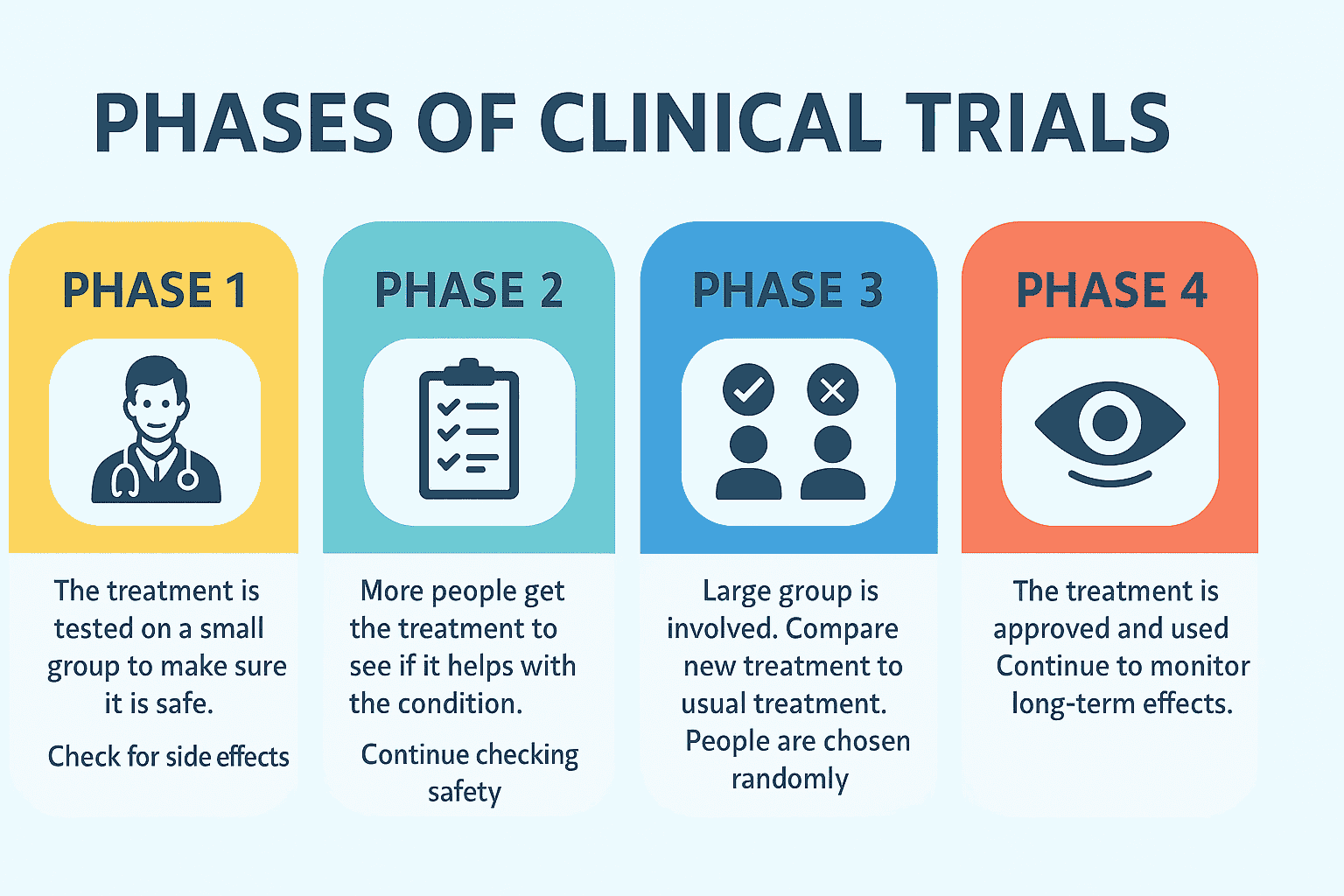
    Trials are usually conducted in stages, known as trial phases. Each phase answers different questions and involves different numbers of participants.

    Phase 1: First-in-Human Testing

    • Involves about 10 to 30 volunteers.
    • Focuses on safety and finding the right dose.
    • Doctors closely monitor participants for side effects and how the body reacts.

    Phase 2: Testing Effectiveness

    • Involves 100 or more participants.
    • Examines whether the treatment works for the condition.
    • Safety continues to be monitored, and researchers look for early signs of improvement.

    Phase 3: Large-Scale Comparison

    • Involves hundreds or even thousands of participants.
    • Compares the new treatment to standard care or a placebo.
    • Participants are randomly assigned to groups to keep results fair.
    • Often conducted as double-blind, meaning neither patients nor doctors know who is receiving which treatment until the study ends.

    Phase 4: Ongoing Monitoring

    • Conducted after a treatment has been approved and made available to the public.
    • Tracks effectiveness in larger, more diverse populations.
    • Identifies long-term or rare side effects.

    How Clinical Trials Are Designed

    Each clinical trial follows a detailed plan called a protocol. This document explains the study’s purpose, who can join, what treatments will be tested, how long the study will last, and how safety will be monitored.

    The IRB reviews the protocol before the trial begins to ensure participant protection. Trials must also comply with privacy rules such as HIPAA.

    Once approved, a research team led by a principal investigator oversees the study. This team often includes physicians, nurses, and coordinators who:

    • Recruit participants and explain the study.
    • Collect informed consent.
    • Monitor participants’ health.
    • Record data throughout the study.

    Some modern trials use decentralized or hybrid approaches. This means that not all activities happen at the hospital or clinic. For example, participants might attend telehealth visits, use wearables or apps to send health data from home, or receive study medication by delivery. These approaches make participation easier, especially for people who live far from research centers.

    Who Can Participate in a Clinical Trial?

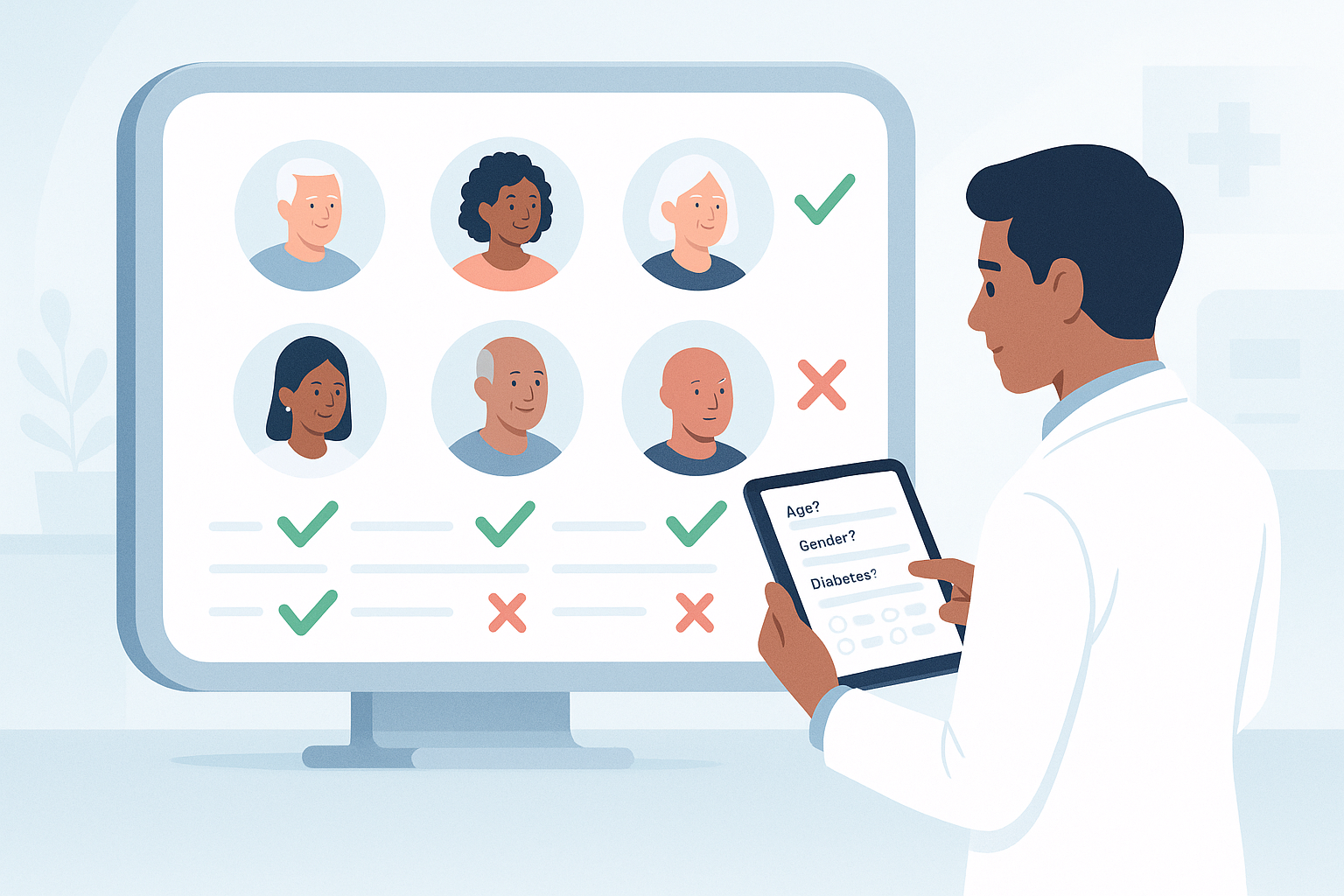
    Not everyone qualifies for every trial. Eligibility is determined by criteria such as:

    • Age and gender.
    • Type and stage of a disease.
    • Previous treatments.
    • General health.

    For example, one cancer trial may accept only patients with a specific tumor type, while a diabetes trial may have blood sugar requirements.

    Diversity is also important. Researchers want trials to reflect real-world populations, so they aim to include people of different ages, races, and ethnicities. This ensures treatments are safe and effective for everyone.

    If you are interested, the research team will review your medical history and conduct tests to see if you qualify. If you do, you will then review and sign an informed consent form. Remember, participation is voluntary and you can leave the study whenever you choose.

    How to Find a Clinical Trial

    If you would like to explore clinical trials, here are common ways to start:

    • Talk with your doctor. They may know about trials related to your condition.
    • Search online. The U.S. government maintains a public database at ClinicalTrials.gov, where you can find thousands of ongoing studies.
    • Use a trial finder. For example, DecenTrialz provides a tool to search by location and condition.
    • Check patient advocacy groups. Organizations focused on conditions such as cancer or diabetes often share trial opportunities.

    When you find a trial, read its summary carefully, speak with the study contact, and discuss it with your doctor. They can help you decide if it is the right choice for you.

    Why Clinical Trials Matter for Patients

    Clinical trials are the foundation of medical progress. They make it possible to develop treatments that are safer, more effective, and more personalized.

    For participants, a trial can offer:

    • Access to expert medical care.
    • Early access to treatments not yet available to the public.
    • The chance to contribute to discoveries that could benefit others.

    Most importantly, clinical trials provide hope. Each volunteer helps move science forward and supports a healthier future. By choosing to participate, you are helping yourself and making a difference for patients everywhere.