A New Era in Clinical Research
Decentralized clinical trials (DCTs) are changing the way research is designed, managed, and delivered. For decades, clinical trials have been the cornerstone of advancing medicine, but the traditional site-based model has struggled to keep pace with modern needs. Sponsors face familiar challenges: recruitment delays, high dropout rates, and rising operational costs.
In many cases, recruitment drags on, retention is uneven, and collecting quality data takes longer than expected. Each delay can cost millions and slow down progress for patients who are waiting for new therapies.
DCTs offer a different approach. By combining digital tools, remote monitoring, and virtual models, decentralized clinical trials are reshaping how research gets done. For sponsors, the benefits are clear: faster enrollment, broader reach, lower costs, and real-time insights that improve decision-making.
And this shift is not far off in the future. It is happening right now, with early adopters already seeing measurable gains.
What are Decentralized Clinical Trials?
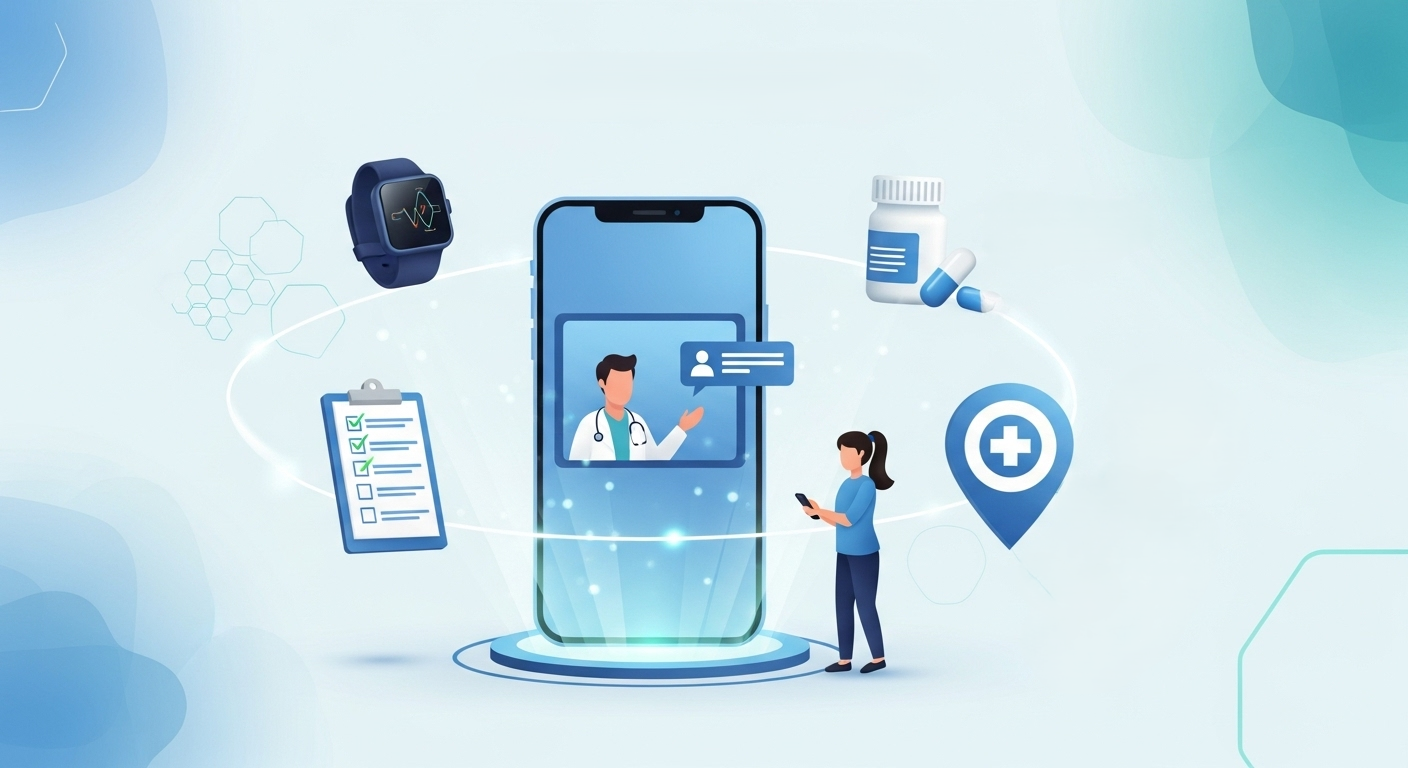
Decentralized clinical trials move parts of the research process outside of traditional sites and into participants’ daily lives. Instead of requiring every visit at a hospital or clinic, DCTs use technology to give participants flexibility. Many tasks can be done at home or through local healthcare providers.
Some common features include:
- Remote monitoring with wearables and connected devices
- Virtual visits through secure telehealth platforms
- Mobile apps for diaries, surveys, and symptom tracking
- Direct-to-patient delivery of investigational products
- Hybrid trial models that combine occasional on-site visits with digital touchpoints
The U.S. Food and Drug Administration has issued guidance on decentralized trials, confirming that regulators see this model as a credible way to improve access and reduce participant burden.
Why sponsors should care?
1. Recruit more participants
Site-based models only draw participants from a limited geographic pool. DCTs expand that reach. With digital pre-screening and virtual enrollment, sponsors can connect with participants across entire regions or even nationally. This broader access speeds recruitment and helps trials meet enrollment goals faster.
2. Retain more participants
Dropouts are a major source of delay and cost. Long travel times and rigid scheduling discourage participants from staying in trials. DCTs make it easier by allowing remote check-ins, at-home tasks, and flexible scheduling. This convenience keeps participants engaged for longer and reduces dropout rates.
3. Reach more diverse populations
Diversity in trials is both a regulatory expectation and a scientific necessity. Traditional site networks often fail to reach rural communities or underrepresented groups. DCTs lower the barriers to participation, making it possible to involve populations that might never have joined a study otherwise. This aligns with FDA diversity guidance and improves the generalizability of trial results.
4. Save time and money
Recruitment delays are costly. Every month lost slows the trial and adds expense. Traditional models require more sites, more staff, and higher reimbursement costs. DCTs reduce the need for multiple locations and replace many routine visits with remote monitoring, creating faster and more cost-efficient trials.
5. Gain real-time insights
In traditional trials, sponsors often wait weeks for reports. That lag slows decision-making. With decentralized models, data flows continuously through digital platforms. Sponsors can track safety, compliance, and progress in real time, making it easier to adjust strategies and avoid delays.
Why this Matters Now?
The shift toward decentralized models is already underway. Sponsors who move quickly will have a clear advantage.
- Regulators: Agencies such as the FDA and EMA are releasing guidance that supports decentralized approaches and requires stronger diversity reporting.
- Participants: Patients expect healthcare to be flexible and accessible. Telehealth and home monitoring are part of everyday care, and trials must match those expectations.
- Industry trends: Companies already using decentralized models are reporting faster recruitment, stronger retention, and improved sponsor-site collaboration.
The question is no longer “What are decentralized clinical trials?” but “How quickly can we integrate them into our designs?”
The DecenTrialz Perspective
At DecenTrialz, we see decentralized trials as one of the most practical solutions to recruitment and retention challenges. Our HIPAA-compliant platform helps sponsors by:
- Running secure digital pre-screeners to qualify participants
- Managing real-time referral workflows with research sites
- Keeping participants engaged through simple, patient-centered processes
- Providing transparent dashboards for sponsors and CROs to monitor recruitment
By simplifying complex workflows and maintaining strict compliance, DecenTrialz helps sponsors modernize operations while protecting participant trust.
Decentralized clinical trials are more than an innovation. They represent a shift in how research will be conducted in the years ahead. For sponsors, they offer faster recruitment, higher retention, greater diversity, and reduced costs. For participants, they provide a more accessible and less burdensome experience.
Adopting decentralized models is not just about staying competitive. It is about keeping pace with an industry that is already moving forward. Sponsors who make the shift now will be better prepared for the future, where efficiency, inclusivity, and real-time data are the standard for clinical research. Platforms like DecenTrialz give sponsors the tools to take that step with confidence.