Category: Sponsors

  • Global Clinical Trials 2026: How Global-by-Design Strategies Are Reshaping Sites, Sponsors, and Trial Operations

    Global Clinical Trials 2026: How Global-by-Design Strategies Are Reshaping Sites, Sponsors, and Trial Operations

    Global clinical trials 2026 are increasingly being designed with cross-border execution, regulatory coordination, and operational resilience as foundational principles rather than afterthoughts.

    Sponsors are expanding multi-region clinical trials not simply to accelerate enrollment, but to align development programs with simultaneous global regulatory and commercialization strategies. Therapeutic innovation, precision medicine, and competitive pipelines require broader patient access and parallel regional activation.

    Asia-Pacific and emerging markets are driving much of this expansion, with sponsors increasingly planning parallel activation across North America, Europe, and APAC rather than sequential regional rollout.

    At the same time, regional regulatory differences, geopolitical uncertainty, supply chain variability, and digital infrastructure disparities complicate execution. What distinguishes global clinical trials 2026 from earlier international expansion efforts is structural intent. Instead of adding countries sequentially, sponsors are architecting studies for international execution from the outset.

    This global-by-design model is reshaping global trial operations, redefining oversight expectations, and altering how sponsors, CROs, and sites coordinate across borders.

    Why Global-by-Design Defines Global Clinical Trials 2026

    In global clinical trials 2026, protocol design begins with global applicability rather than domestic optimization.

    A global-by-design approach requires:

    • Eligibility criteria validated for cross-region feasibility
    • Endpoints aligned with international regulatory expectations
    • Operational timelines accounting for global study startup timelines
    • Logistics planning that anticipates customs and labeling requirements

    For multi-region clinical trials, this requires early collaboration across regulatory, biostatistics, clinical operations, and regional affiliates. Feasibility modeling now integrates epidemiology, competing trial density, local site infrastructure, and anticipated regulatory review cycles.

    Global trial operations are shifting from reactive adaptation to proactive orchestration. Sponsors recognize that retrofitting a protocol for international expansion introduces cost, delay, and data inconsistency risk.

    Global clinical trials 2026 demand architectural thinking at protocol inception.

    Regulatory Fragmentation and Harmonization Challenges

    Despite increasing efforts toward regulatory harmonization, fragmentation persists across regions.

    The International Council for Harmonisation of Technical Requirements for Pharmaceuticals for Human Use (ICH) provides global standards through guidelines such as ICH E6 and E8. However, interpretation and implementation vary across jurisdictions. Authorities including the U.S. Food and Drug Administration (FDA) and other national regulators maintain distinct inspection expectations, submission formats, and safety reporting requirements. The World Health Organization (WHO) continues to advance transparency initiatives, yet reporting systems and compliance enforcement differ globally.

    In global clinical trials 2026, sponsors must navigate:

    • Regional regulatory differences in ethics review timelines
    • Divergent data privacy frameworks
    • Country-specific pharmacovigilance reporting portals
    • Variability in import/export documentation

    Cross-border clinical research is not merely about scientific alignment; it requires regulatory intelligence embedded into planning cycles.

    Inspection readiness also becomes more complex in distributed trial execution models. Global oversight must accommodate localized monitoring practices while maintaining unified compliance standards.

    Regulatory harmonization has progressed conceptually, but operational alignment remains a continuous challenge in global clinical trials 2026.

    Site Impact in Global Clinical Trials 2026

    Research sites bear a significant portion of the operational burden in international clinical trials.

    In global clinical trials 2026, sites face:

    • Increased documentation requirements
    • Translation of informed consent forms and patient materials
    • Differing source data verification expectations
    • Cross-border safety reporting processes

    Infrastructure disparities can also create execution variability. Established metropolitan centers may have robust digital systems, while emerging markets clinical trials may require expanded training and technology investment.

    Many global sites now juggle multiple sponsor platforms and local hospital systems in parallel, making constant system and process switching a major contributor to operational strain and error risk.

    A strong global site strategy includes:

    • Early infrastructure assessment
    • Local regulatory support
    • Standardized training frameworks
    • Centralized data reporting guidance

    International site management must balance protocol fidelity with local workflow realities. Over-standardization without flexibility can strain site capacity, while excessive decentralization can compromise data consistency.

    Organizations strengthening site enablement in global trials are increasingly focusing on structured coordination between sponsors and sites to reduce administrative friction.

    Global clinical trials 2026 require site partnerships grounded in operational realism rather than assumption.

    Decentralization Within Global Clinical Trials 2026

    Decentralized global trials are increasingly embedded within cross-border programs.

    Hybrid models, combining on-site visits with remote data capture, offer expanded global patient recruitment potential. However, decentralized execution across jurisdictions introduces regulatory and logistical complexity.

    Telehealth regulations vary by country. Remote consent standards differ. Data hosting requirements may restrict cross-border transfers. Shipping investigational products across international boundaries can require additional licensing.

    Global clinical trials 2026 demand harmonized oversight for decentralized components, including:

    • Standardized ePRO translations
    • Device compatibility across regions
    • Remote monitoring protocols aligned with inspection expectations
    • Secure cross-border data transmission

    Decentralization enhances distributed trial execution flexibility but amplifies coordination demands. Operational coherence remains essential.

    Data Consistency and Interoperability Across Borders

    Data architecture defines the integrity of global clinical trials 2026.

    When multiple regions contribute data, inconsistency can arise from:

    • Differing laboratory units
    • Variable coding conventions
    • Region-specific electronic data capture configurations
    • Safety database integration gaps

    Global trial oversight requires interoperable systems capable of harmonizing structured datasets across geographies.

    Effective interoperability in global trials includes:

    • Unified data dictionaries
    • Standardized CRF structures
    • Centralized analytics dashboards
    • Transparent audit trails

    Without consistent data governance, reconciliation cycles increase, and inspection exposure grows.

    Global clinical trials 2026 are increasingly defined by centralized visibility layered over distributed execution.

    Sponsor and CRO Realignment in a Global-by-Design Model

    Global clinical trials 2026 are prompting strategic realignment between sponsors and CROs.

    Sponsors are moving toward centralized oversight hubs supported by regionally embedded operational teams. This model enables global performance transparency while preserving local execution expertise.

    An effective global CRO strategy incorporates:

    • Defined global versus regional accountability structures
    • Unified reporting dashboards
    • Risk-based monitoring integration
    • Shared escalation pathways

    Trial operations strategy prioritizes coordinated vendor ecosystems. Fragmented outsourcing increases variability in multi-region clinical trials.

    Strategic collaboration between sponsors and CRO partners is becoming central to sustaining quality, scalability, and performance transparency across regions.

    Global clinical trials 2026 emphasize measurable performance alignment rather than isolated regional metrics.

    Workforce and Infrastructure Implications

    The workforce supporting global clinical trials 2026 is evolving.

    Organizations are expanding regulatory intelligence capabilities to monitor regional regulatory differences continuously. Multilingual coordination teams are increasingly necessary to support international site management and global patient recruitment initiatives.

    Digital infrastructure must also scale. Cloud hosting must align with country-specific data residency laws. Training programs must reflect diverse regulatory expectations. Inspection readiness processes must function across distributed sites.

    Emerging competencies include:

    • Cross-cultural stakeholder management
    • International contract negotiation
    • Advanced data standardization practices
    • Geopolitical risk assessment

    Operational resilience in global clinical trials 2026 depends on integrating human expertise with scalable digital systems.

    Preparing for the Global Clinical Trials 2026 Environment

    Preparation for global clinical trials 2026 requires structured foresight.

    Sponsors and CROs can strengthen readiness through:

    Early regulatory mapping
    Integrate regional submission and ethics timelines during protocol drafting.

    Site diversity planning
    Balance established research hubs with emerging markets clinical trials to enhance enrollment resilience.

    Data governance alignment
    Standardize data models before activation to minimize reconciliation risk.

    Risk mitigation frameworks
    Incorporate geopolitical scenario planning and supply chain redundancy.

    Technology audits
    Assess interoperability, scalability, and audit trail integrity across systems.

    Global clinical trials 2026 reward operational coherence over reactive expansion.

    Structured Platforms and Global Trial Visibility

    Platforms that structure publicly available clinical research information can support global trial visibility and operational alignment across sponsors, CROs, and sites.

    Structured transparency supports:

    • Standardized trial listings
    • Region-aware filtering
    • Cross-border discoverability
    • Data consistency

    Global clinical trials 2026 increasingly depend on clear information flow across the research ecosystem.

    Strategic Framework for Global Clinical Trial Execution

    As global clinical trials 2026 continue to evolve, sponsors must align regulatory foresight, site enablement, data governance, and global trial operations within a unified execution framework.

    This requires structured regulatory mapping, coordinated sponsor–CRO oversight models, standardized data governance architecture, and proactive site infrastructure planning across regions.

    Strategic preparation today will determine operational resilience in the global clinical trials 2026 environment.

  • Clinical Trial Operations Reimagined: How Efficiency, Access, and AI Are Reshaping Sponsor and CRO Strategy

    Clinical Trial Operations Reimagined: How Efficiency, Access, and AI Are Reshaping Sponsor and CRO Strategy

    Clinical trial operations are entering a period of structural reassessment as sponsors and CROs confront rising costs, increasing protocol complexity, and growing demands for global execution.

    Operational budgets continue to rise across therapeutic areas as protocol amendments multiply, biomarker strategies expand, and multi-region coordination becomes standard. Recruitment pressure intensifies as eligibility criteria narrow and competition for specialized patient populations increases. At the same time, global regulatory variability introduces documentation burdens, inspection readiness complexity, and cross-border data governance challenges.

    Digital expectations are also accelerating. Sites expect streamlined systems and faster query resolution. Participants expect flexible engagement options, including remote interactions. Executive leadership expects real-time visibility into trial performance metrics.

    Traditional trial execution models, often reliant on fragmented vendors and manual oversight, are under strain. Clinical trial operations are therefore being reassessed not for incremental optimization, but for structural resilience and long-term sustainability.

    Why Clinical Trial Operations Are Being Reassessed

    The future of clinical operations is being shaped by compounding operational pressures.

    Escalating budgets remain a primary concern. Each protocol amendment triggers cascading consequences: revised submissions, retraining of site personnel, updates to monitoring plans, and enrollment delays. These changes extend timelines and introduce financial unpredictability.

    Trial execution models built around linear oversight workflows now struggle within global, adaptive environments. Sponsors operating across multiple jurisdictions must navigate evolving privacy frameworks, shifting inspection standards, and region-specific regulatory expectations.

    Vendor fragmentation compounds inefficiency. Clinical trial operations frequently span electronic data capture systems, clinical trial management systems, eConsent platforms, safety databases, wearable data feeds, and analytics dashboards. Without interoperability in clinical research, reconciliation delays and integration fatigue erode operational agility.

    The rise in rescue studies, estimated at approximately 20 percent in recent operational analyses, further highlights structural strain within traditional delivery models. CRO operational strategy is increasingly evaluated on predictive risk mitigation, early feasibility precision, and proactive oversight.

    This reassessment signals a broader shift in the future of clinical operations: sustainable execution requires architectural evolution, not incremental adjustment.

    Redefining Clinical Trial Efficiency Without Limiting Access

    Clinical trial efficiency has historically been measured by cost per patient, enrollment velocity, and database lock timelines. While these benchmarks remain relevant, narrow optimization can create unintended trade-offs.

    Consolidating recruitment within a small network of high-performing sites may accelerate milestones, but it can restrict patient access in clinical trials. Geographic concentration reduces representation and limits diversity across therapeutic studies.

    Similarly, aggressive cost controls may deprioritize emerging research centers that require enablement investment. Over-optimization for speed risks undermining long-term equity and inclusion goals.

    Modern trial performance metrics increasingly incorporate diversity benchmarks, retention indicators, and site activation timelines alongside financial metrics. Clinical trial efficiency must now be evaluated within a broader framework that considers patient access in clinical trials as a strategic objective rather than a secondary outcome.

    Clinical trial operations leaders must balance acceleration with equitable participation. Efficiency that narrows representation ultimately weakens data robustness and regulatory confidence.

    Decentralized and Hybrid Clinical Trials as Structural Capabilities

    Decentralized clinical trials and hybrid clinical trials have evolved into structural components of clinical trial operations.

    Remote visits, telehealth consultations, wearable monitoring devices, and home health integrations expand patient access in clinical trials. These approaches reduce travel burdens and may improve retention among geographically dispersed populations.

    However, operational integration remains complex. Wearable data must synchronize with traditional EDC systems. Telehealth documentation must align with regulatory compliance standards. Device logistics require cybersecurity safeguards and structured audit trails.

    Hybrid clinical trials, combining on-site assessments with remote engagement, often provide a balanced model. Rather than replacing physical sites, decentralized elements extend operational flexibility.

    The strategic challenge lies in integration. Treating decentralized capabilities as temporary overlays risks fragmentation. Embedding them into core trial execution models strengthens adaptability and supports long-term scalability.

    AI in Clinical Trial Operations as a Decision-Support Layer

    AI in clinical operations is increasingly embedded within feasibility modeling, enrollment forecasting, protocol optimization, and risk-based monitoring frameworks.

    AI-driven feasibility tools analyze epidemiological data, historical enrollment trends, and site performance patterns to support country and site selection. Predictive enrollment modeling enhances early-stage planning. Risk-based monitoring strategies align with regulatory guidance, including recommendations outlined in the FDA’s risk-based monitoring framework.

    Recent industry forecasts project AI reducing overall development timelines by up to six months through predictive protocol design, adaptive modeling, and faster scenario simulation. While outcomes vary across therapeutic areas, the operational impact of AI in clinical operations is becoming increasingly measurable.

    Importantly, AI serves as a decision-support layer—not a replacement for clinical teams. Clinical trial operations leaders retain accountability for oversight, validation, and final judgment.

    Governance is essential. Explainability, traceability, and audit readiness must accompany AI deployment. Industry discussions around AI governance in healthcare emphasize bias mitigation, structured validation protocols, and oversight accountability mechanisms.

    AI enhances insight generation. Human leadership ensures compliance and ethical integrity.

    Platform Thinking Versus Fragmented Tooling

    Fragmented technology stacks remain a persistent constraint in clinical trial operations.

    Disconnected systems create redundant data entry, reconciliation delays, and inconsistent reporting frameworks. Integration fatigue consumes operational bandwidth and complicates vendor management.

    Platform-based clinical trials represent an architectural shift. Platform thinking emphasizes centralized data layers, unified dashboards, and API-enabled connectivity across functional domains.

    Interoperability in clinical research becomes foundational rather than aspirational. Unified operational command centers allow sponsors and CROs to monitor trial performance metrics across regions and vendors in real time.

    Platform environments are also enabling the rise of living protocols. Structured data architectures support controlled protocol evolution informed by real-world evidence and AI-driven signal detection. Alignment with emerging harmonization standards from the International Council for Harmonisation, including ICH M11 protocol initiatives, reinforces movement toward standardized and digitally adaptable protocol frameworks.

    Living protocol execution requires interoperable systems capable of version control, amendment traceability, and audit tracking. Platform strategy is therefore inseparable from operational strategy.

    Workforce and Operating Model Implications

    The transformation of clinical trial operations carries significant workforce implications.

    AI fluency and data literacy are becoming core competencies. Clinical operations automation shifts emphasis toward analytical interpretation, governance oversight, and cross-functional coordination.

    CRO operational strategy is evolving toward integrated service models where data scientists, regulatory specialists, clinical leads, and technology teams collaborate more closely. Vendor management increasingly focuses on ecosystem orchestration rather than transactional oversight.

    Training investments and structured change management frameworks are critical. Digital transformation in clinical research delivers value only when operational teams are equipped to interpret AI outputs, manage hybrid trial environments, and maintain compliance standards.

    The future of clinical operations depends on workforce readiness as much as technological adoption.

    What Sponsors and CROs Should Prepare For

    Strategic preparation requires structured evaluation rather than reactive adoption.

    Sponsors should conduct comprehensive technology audits to identify integration gaps, duplicated platforms, and reporting inconsistencies. Platform evaluation must assess scalability, cybersecurity maturity, interoperability standards, and long-term governance compatibility.

    AI governance frameworks require clearly defined validation processes, documentation protocols, oversight accountability, and audit readiness structures. Transparent algorithmic logic strengthens regulatory confidence.

    Data transparency strategies are increasingly central to sponsor oversight models. As monitoring shifts toward continuous data-informed surveillance, governance structures must adapt accordingly.

    Ecosystem alignment will increasingly shape digital transformation in clinical research. Sponsors exploring structured collaboration approaches within evolving operational environments can review strategic considerations.

    Preparation is less about adopting every emerging technology and more about aligning architecture, governance, and workforce readiness around a cohesive operational model.

    Supporting Structured Clinical Trial Ecosystems

    Structured platforms that centralize publicly available clinical research information contribute to improved operational visibility, transparency, and ecosystem alignment.

    When sponsors, CROs, sites, and participants operate within aligned information environments, fragmentation is reduced. Transparency enhances trust. Structured visibility strengthens coordination and informed decision-making.

    Sustainable clinical trial operations increasingly depend on ecosystem clarity rather than isolated technology adoption. Alignment, governance, and shared visibility form the foundation of long-term operational resilience.

    Explore Strategic Approaches to Modern Clinical Trial Operations

    Clinical trial operations are being reshaped by efficiency pressures, decentralized capabilities, AI-supported decision systems, and platform-based integration.

    Leaders who balance clinical trial efficiency with patient access in clinical trials, integrate AI governance responsibly, and adopt interoperable platform architectures will be better positioned to navigate complexity without compromising inclusion or compliance.

    Explore strategic approaches to modern clinical trial recruitment

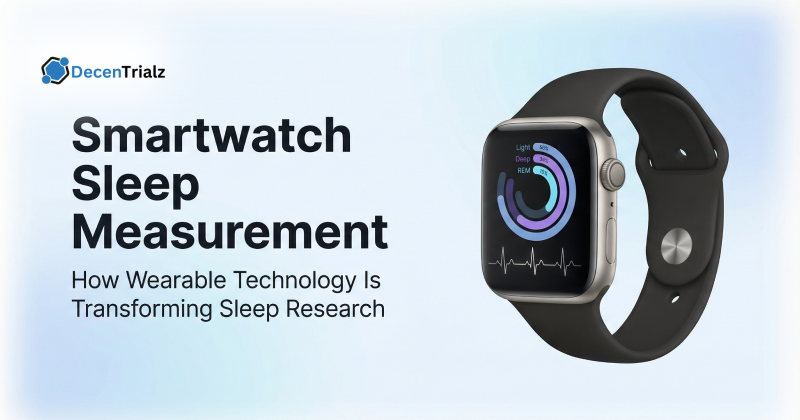
  • Smartwatch Sleep Measurement: How Wearable Technology is Transforming Sleep Research

    Smartwatch Sleep Measurement: How Wearable Technology is Transforming Sleep Research

    Smartwatch sleep measurement is rapidly changing how researchers collect and interpret sleep data across both clinical and real-world settings. As digital health adoption accelerates, wearable sleep tracking tools are increasingly being evaluated not just as consumer wellness devices, but as components of structured research protocols.

    Interest in digital sleep measurement continues to grow alongside decentralized and hybrid clinical trial models. Traditional sleep assessment has largely depended on laboratory-based polysomnography, limiting scalability and ecological validity. In contrast, sleep monitoring technology embedded in consumer wearables enables continuous, home-based data collection that reflects natural sleep behavior.

    For sponsors, sleep researchers, and digital health innovators, scalable sleep data is no longer a secondary metric. It is becoming a meaningful research signal.

    The Evolution of Sleep Measurement

    Sleep research has historically relied on polysomnography (PSG) as the gold standard. PSG records electroencephalography (EEG), eye movement, muscle tone, heart rhythm, and respiration within controlled sleep laboratories.

    While highly precise, PSG is expensive, resource-intensive, and limited in longitudinal scalability.

    A common polysomnography comparison highlights the gap between precision and practicality. Participants often sleep differently in lab environments, and repeated assessments increase study burden.

    Actigraphy devices emerged as a scalable alternative. These wrist-based motion sensors inferred sleep–wake cycles but provided limited insight into sleep stages or physiological biomarkers.

    Smartwatch sleep measurement represents the next evolution of digital sleep measurement. By combining movement data with heart rate variability, blood oxygen saturation, and algorithmic modeling, wearable sleep tracking systems extend sleep science beyond laboratory walls.

    How Smartwatch Sleep Measurement Works

    Modern smartwatch sleep measurement relies on integrated wearable sensors for sleep.

    Core signals include:

    • Accelerometry for movement detection
    • Photoplethysmography for heart rate monitoring
    • Heart rate variability for autonomic profiling
    • Peripheral oxygen saturation
    • Multi-signal time-series modeling

    Sleep monitoring technology processes these signals using machine learning algorithms to estimate light, deep, and REM sleep.

    Unlike PSG, which directly measures cortical brain activity, smartwatch sleep measurement infers sleep architecture indirectly through physiological correlations. This distinction explains both its scalability and its validation challenges.

    Smartwatch Sleep Measurement vs Polysomnography

    In wearables vs polysomnography comparisons, laboratory PSG remains the diagnostic gold standard.

    However, smartwatch sleep accuracy has improved substantially.

    Research shows:

    • High sensitivity for sleep detection
    • Moderate specificity for wake detection
    • Occasional overestimation of total sleep time
    • Variable stage classification performance

    While PSG directly captures EEG-defined sleep stages, smartwatch sleep measurement estimates stage transitions using physiological proxies. This introduces trade-offs between convenience and granularity.

    Wearable sleep tracking complements clinical evaluation but does not replace diagnostic sleep laboratories.

    Clinical Validation and Accuracy Considerations

    Validation of smartwatch sleep measurement requires direct comparison against PSG or EEG-based systems in controlled trials.

    Challenges include:

    • Population heterogeneity
    • Device-specific proprietary algorithms
    • Firmware updates affecting outputs
    • Limited raw signal access

    Certain sleep disorders remain difficult for wearables to classify accurately.

    Recent Breakthrough: BIDSleep Framework

    A new artificial intelligence framework called BIDSleep, developed at the University of Massachusetts Amherst by Joyita Dutta, PhD, converts Apple Watch Series 6 data into research-grade sleep staging outputs.

    In a validation study involving 47 adults monitored over seven nights, smartwatch data were compared against the Dreem 2 EEG headband. The system achieved 71% accuracy in distinguishing light, deep, and REM sleep stages, outperforming traditional heart rate–based modeling approaches.

    The study was published in IEEE Transactions on Biomedical Engineering (DOI: 10.1109/TBME.2025.3612158), one of the leading peer-reviewed journals in biomedical signal processing and medical device research.

    Deep Sleep and Neurodegeneration Research

    The framework demonstrated improved deep sleep detection, which is particularly relevant for aging and Alzheimer’s disease research.

    Deep sleep plays a role in glymphatic clearance and amyloid-beta metabolism. Emerging research links reduced slow-wave sleep to amyloid and tau accumulation during preclinical dementia stages, a critical window for intervention.

    Why This Matters

    This validation milestone strengthens the case for smartwatch sleep measurement as a scalable research tool capable of bridging laboratory precision with real-world applicability.

    Applications in Clinical Trials and Research

    Sleep tracking in clinical trials is increasingly relevant across neurology, psychiatry, oncology, and metabolic disorders.

    Smartwatch sleep measurement enables:

    • Longitudinal drug impact monitoring
    • Behavioral intervention tracking
    • Remote patient monitoring sleep endpoints
    • Hybrid and decentralized trial deployment

    Consumer wearables in clinical research are frequently incorporated as exploratory digital endpoints.

    Structured condition-based clinical trial information highlights where technology-enabled sleep protocols are being integrated into study design.

    Scalable digital sleep measurement enhances ecological validity by capturing continuous, real-world data.

    Sleep Biomarkers and Advanced Data Analytics

    Smartwatch sleep measurement contributes to the development of digital sleep biomarkers.

    Examples include:

    • Sleep efficiency trends
    • REM proportion variability
    • HRV-derived autonomic markers
    • Circadian rhythm stability

    Sleep data analytics increasingly integrates machine learning to analyze large-scale wearable sleep tracking datasets.

    Linking sleep biomarkers with electronic health records strengthens longitudinal modeling and real-world evidence generation.

    Regulatory and Data Considerations

    Digital health technologies fall under evolving regulatory oversight.

    The U.S. Food and Drug Administration provides guidance for digital health technologies that addresses remote data acquisition, software validation, and wearable integration in clinical investigations.

    Device classification depends on intended use. Consumer-grade wellness wearables differ from devices intended to support regulatory decision-making.

    Data governance considerations include:

    • Informed consent transparency
    • Secure storage and encryption
    • Algorithm documentation
    • Cross-border data compliance

    The National Institutes of Health also provides sleep research resources relevant to wearable integration.

    Early compliance planning ensures smartwatch sleep measurement data aligns with regulatory expectations.

    The Future of Smartwatch Sleep Measurement

    Smartwatch sleep measurement is evolving through:

    • Improved sensor fidelity
    • Multi-sensor fusion
    • AI-enhanced sleep stage modeling
    • Greater transparency in validation methods

    As wearable technology sleep research advances, integration with neurodegenerative biomarker studies and personalized intervention strategies will likely expand.

    Smartwatch sleep measurement is transitioning from convenience tracking toward structured research utility.

    Supporting Research Through Structured Trial Visibility

    Platforms that organize and structure publicly available clinical research information help connect technology-enabled studies with appropriate participants and research teams.

    Structured trial listings enable clearer visibility into ongoing and recruiting studies across therapeutic areas. Organized condition-based clinical trial information helps research stakeholders understand where digital endpoints, including smartwatch sleep measurement, are being integrated into study designs.

    Structured visibility supports the responsible integration of smartwatch sleep measurement into evolving clinical research ecosystems.

    Conclusion

    Smartwatch sleep measurement has progressed from consumer wellness tracking to clinically validated investigation. Advances such as the BIDSleep framework demonstrate that wearable systems are approaching research-grade performance in sleep staging.

    While polysomnography remains the diagnostic benchmark, smartwatch sleep measurement expands what sleep research can measure, across time, across populations, and across real-world environments.

    For sponsors and research teams, the opportunity lies in combining laboratory rigor with scalable digital insight.

    Explore Technology-Enabled Clinical Research Opportunities.

  • Clinical Trials in 2026: How Platformization and AI Fluency Are Reshaping the Research Value Chain

    Clinical Trials in 2026: How Platformization and AI Fluency Are Reshaping the Research Value Chain

    Clinical trials in 2026 are no longer defined by isolated systems and fragmented vendors, but by platformization, AI fluency, and an increasingly integrated research ecosystem.

    What distinguishes 2026 from earlier digital experimentation is not the presence of new tools, but the structural redesign of research execution. Rising protocol complexity, global enrollment pressure, decentralized models, and tighter oversight expectations have made fragmented vendor stacks unsustainable.

    Sponsors are demanding scalability. CROs are redefining service models. Technology vendors are consolidating into orchestration platforms.

    Clinical trials in 2026 mark the transition from digital experimentation to architectural maturity.

    The Shift Defining Clinical Trials in 2026

    Digital transformation in clinical trials initially focused on tool adoption. EDC systems, CTMS platforms, decentralized modules, and analytics dashboards were layered onto legacy operating models.

    This created vendor sprawl, parallel data repositories, manual reconciliation cycles, and limited cross-functional visibility.

    In clinical trials in 2026, that fragmentation has become economically inefficient and strategically restrictive.

    The future of clinical operations requires unified oversight across enrollment, monitoring, safety, data capture, and real-world evidence integration. Sponsors expect consolidated performance intelligence rather than stitched exports. CROs require scalable, platform-native environments.

    The defining shift is structural consolidation, moving from tool layering to ecosystem integration.

    What Platformization Means in Clinical Research

    Platformization in clinical research is not modernization rhetoric. It represents infrastructure realignment.

    Platformization includes:

    • End-to-end clinical platforms spanning design through close-out
    • API-based interoperability across EDC, eCOA, eSource, and analytics systems
    • Centralized data governance environments
    • Modular yet unified infrastructure

    Trial technology platforms are evolving into integrated clinical ecosystems that reduce integration friction and increase operational transparency.

    This impacts efficiency by reducing reconciliation loops, simplifies vendor management, and supports scalable portfolio expansion.

    In clinical trials in 2026, platformization becomes the foundation for sustainable execution rather than a procurement exercise.

    AI Fluency in Clinical Trials in 2026

    AI in clinical trials has matured beyond experimentation. However, AI fluency in research is now the differentiator.

    AI fluency in clinical trials in 2026 includes organizational literacy in model interpretation, formal validation frameworks, bias monitoring structures, and transparent governance oversight.

    Predictive analytics in trials now support risk-based monitoring optimization, AI-powered patient matching, enrollment forecasting, and protocol feasibility simulation.

    Yet AI in clinical trials delivers value only when paired with governance maturity.

    AI fluency is a capability, not a feature.

    Sponsors and CROs embedding data science oversight committees and validation protocols are better positioned to leverage AI responsibly within clinical trials in 2026.

    The Redrawing of the Clinical Research Value Chain

    The clinical research value chain is being restructured.

    Sponsors increasingly seek centralized control over unified data environments. End-to-end clinical platforms reduce reliance on fragmented vendor silos and restore portfolio-level visibility.

    CROs are repositioning toward strategic operational integration, platform-native execution, and data orchestration partnership.

    Technology vendors are evolving into ecosystem orchestrators rather than isolated service providers.

    Non-traditional players, including compounding pharmacies, telehealth providers, consumer wearables, and emerging payment models, are reshaping trial delivery and patient access. These entrants further emphasize platform strategy as sponsors seek unified visibility across diverse execution partners.

    Clinical trials in 2026 redistribute influence across the clinical research value chain, with data ownership and ecosystem orchestration becoming competitive levers.

    Sponsors, CROs, and Technology Realignment

    Sponsor technology strategy in clinical trials in 2026 is shifting from vendor selection to ecosystem architecture.

    Enterprise buyers are evaluating platform consolidation opportunities, hybrid infrastructure models, and centralized analytics ownership.

    CROs must adapt to sponsor-led integrated environments where data transparency and cross-platform alignment are mandatory.

    The economic model is shifting from transactional service fees toward infrastructure-based collaboration.

    Decentralization Within Platform Ecosystems

    Decentralized clinical trials have expanded remote visits, wearable integration, telemedicine, and site flexibility.

    In clinical trials in 2026, decentralization is embedded within unified platforms rather than layered onto legacy systems.

    Remote patient monitoring feeds directly into centralized analytics. Wearables integrate through standardized APIs. Telemedicine workflows synchronize with core trial management systems.

    This integration reduces duplication and enhances compliance documentation.

    Decentralized clinical trials become structurally aligned rather than operationally isolated.

    Data Interoperability and Integration

    Interoperability in clinical research has become strategic rather than aspirational.

    Clinical trials in 2026 require harmonized data environments across EDC, eSource, safety systems, and real-world data integration.

    Living protocols represent another structural advance. Rather than static amendments, 2026 platforms enable continuous protocol evolution through secondary data reuse and real-time feasibility modeling. ICH M11 standards and evolving ICH E6(R3) guidance accelerate this transition by standardizing modular trial design and execution.

    Real-world data integration strengthens adaptive modeling and supports post-market strategy alignment.

    Interoperability is now a governance capability supported by architectural discipline.

    Risks and Governance in Platform-Driven Clinical Trials in 2026

    Platform maturity introduces governance complexity.

    Key considerations include AI bias and model transparency, vendor lock-in risk, cybersecurity exposure within centralized data lakes, and expanding regulatory scrutiny.

    Alignment with FDA Digital Health Technology guidance

    and evolving AI governance frameworks is essential.

    Regulatory recovery continues through ICH M11 (modular protocols) and ICH E6(R3) revisions, enabling platform-native adaptive designs and automated compliance.

    Clinical trials in 2026 require governance models that scale with infrastructure sophistication.

    Preparing for Clinical Trials in 2026

    Executive teams should approach this transition methodically.

    Recommended actions include conducting enterprise-wide technology audits, mapping the full clinical research value chain, evaluating consolidation potential across trial technology platforms, establishing AI literacy programs, formalizing model governance structures, and developing interoperability scorecards.

    Workforce roles are evolving toward data product ownership and AI governance specialists. Clinical operations teams increasingly require fluency in model interpretation, performance validation, and cross-platform data orchestration.

    Clinical trials in 2026 demand alignment between architecture, governance, and organizational capability.

    Structured Platforms and Trial Visibility

    Platforms that centralize and structure publicly available clinical trial information reinforce transparency, interoperability, and platform-aligned research execution across sponsor and CRO ecosystems.

    Preparing for the Platform-Driven Future

    Clinical trials in 2026 reflect structural realignment rather than incremental innovation.

    Platformization in clinical research, AI fluency in research, living protocols, decentralized integration, and value chain redistribution are converging to redefine the future of clinical operations.

    Organizations that treat technology as infrastructure, not experimentation, will maintain strategic control, operational clarity, and competitive resilience in clinical trials in 2026.

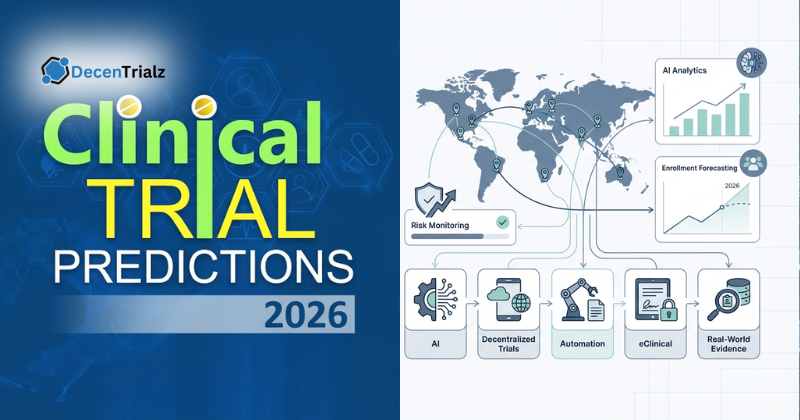
  • Clinical Trial Predictions 2026: How Technology is Reshaping the Future of Research

    Clinical Trial Predictions 2026: How Technology is Reshaping the Future of Research

    Clinical trial predictions 2026 suggest that technology has moved from being a support tool to becoming a foundational driver of how research is designed, executed, and monitored. Industry pressure to innovate continues to intensify as sponsors manage rising operational costs, compressed timelines, and increasing protocol complexity. At the same time, patients expect digital access, transparency, and reduced logistical burden when participating in research.

    In 2026, digital transformation in clinical research is no longer experimental. AI systems, decentralized clinical trials, and automation platforms are embedded within operational frameworks. For sponsors, CROs, research sites, and healthcare technology leaders, clinical trial predictions 2026 now describe active realities rather than distant projections.

    The Clinical Trial Landscape in 2026

    Clinical trial predictions 2026 reflect a research environment defined by structural complexity and high data density. Protocols increasingly incorporate adaptive designs, biomarker-driven cohorts, and multi-regional recruitment strategies. These factors elevate coordination demands and require scalable, interoperable systems.

    Growth in oncology, central nervous system (CNS), and cardiovascular programs, alongside precision therapies and biomarker-driven cohorts, intensifies these pressures. Smaller patient populations, adaptive dosing regimens, and high-cost investigational products with short shelf lives leave minimal margin for error in randomization, inventory, and scheduling.

    North America remains the volume leader, while APAC continues to strengthen as a growth engine as local R&D investment and regulatory frameworks mature. Europe’s multi-country footprint supports complex global recruitment programs.

    Data volumes per participant continue to expand. Wearables, imaging systems, electronic patient-reported outcomes, and EHR integrations generate continuous streams of information. The future of clinical trials now depends on operational models capable of managing and interpreting this scale of data in real time.

    Recruitment remains competitive, particularly in oncology and rare disease programs. Variability in site technology adoption persists, reinforcing the need for harmonized data systems across sponsor and CRO networks.

    AI and Predictive Analytics in Clinical Trial Predictions 2026

    AI in clinical trials now plays a defined operational role. Clinical trial predictions 2026 show that AI-driven trial design tools are actively used to simulate enrollment scenarios, evaluate eligibility criteria feasibility, and forecast recruitment timelines before activation.

    Predictive analytics in clinical trials supports patient matching by analyzing structured datasets alongside unstructured medical records. These systems accelerate technology-enabled recruitment while maintaining audit documentation and governance oversight.

    Risk-based monitoring systems identify anomalous site performance trends and protocol deviations through real-time analytics. Rather than replacing human oversight, AI augments monitoring teams by prioritizing risk signals.

    Clinical trial predictions 2026 confirm that AI adoption is expanding within structured compliance frameworks. Algorithm validation, bias assessment, and documentation protocols are now integrated into implementation strategies.

    Decentralized and Hybrid Trials Becoming Standard

    Decentralized clinical trials are embedded within mainstream development strategies. Clinical trial predictions 2026 indicate that hybrid clinical trials, combining site visits with remote participation, are standard across multiple therapeutic areas.

    Remote patient monitoring through wearable devices, telehealth visits, and home health services reduces participant burden while maintaining protocol integrity. eConsent systems support transparent documentation. Digital health technologies facilitate structured, real-time data capture outside the clinical site.

    Electronic Clinical Outcome Assessments (eCOA) and electronic PRO solutions are widely integrated, enabling consistent patient-reported data collection beyond traditional visits.

    Operational coordination remains critical. Sponsors integrate telehealth providers, logistics vendors, and remote data systems into unified oversight structures. Regulatory authorities continue refining guidance to ensure decentralized models maintain data integrity and participant protection.

    Clinical trial predictions 2026 reflect stabilization, not experimentation, of decentralized models.

    Automation and Efficiency in Clinical Operations

    Clinical trial automation is central to operational sustainability in 2026. Sponsors and CROs deploy clinical operations automation tools to manage workload complexity and cost pressure.

    eSource systems reduce transcription errors and accelerate query resolution. Integration between EDC, CTMS, and safety systems minimizes redundant processes. Automated compliance tracking generates continuous audit readiness documentation.

    As precision therapies expand, randomization and trial supply management (RTSM/IRT) platforms function as orchestration layers. These systems coordinate cohorts, manage inventory logistics, and adjust supply distribution across geographies in real time.

    Clinical trial predictions 2026 show that automation now focuses on eliminating friction across multi-vendor ecosystems rather than digitizing isolated steps.

    Data Integration, Real-World Evidence, and Advanced Analytics

    Clinical trial predictions 2026 emphasize that trial data analytics and real-world evidence integration are structural capabilities. Sponsors combine trial data with EHR-derived insights, claims databases, and registries to strengthen feasibility modeling and post-market strategies.

    Digital health technologies contribute continuous behavioral and physiological metrics that enhance analytical depth. Real-world evidence informs comparator selection, patient stratification, and long-term safety monitoring.

    Sponsors increasingly deploy modular, cloud-native platforms with API-driven architectures. Integrated eClinical ecosystems now prioritize orchestration, connecting data streams, analytics layers, and oversight tools, rather than standalone capture systems.

    Interoperability and governance frameworks remain decisive factors in extracting value from high-volume data environments.

    Patient-Centric Clinical Trials in 2026

    Patient-centric clinical trials now translate into measurable operational design. Clinical trial predictions 2026 show progress in simplifying eligibility criteria where scientifically appropriate, enhancing transparency in screening pathways, and prioritizing diversity in recruitment strategies.

    Technology-enabled recruitment platforms improve targeted outreach while maintaining compliance with privacy regulations. Digital engagement systems support retention through reminders, structured communication, and real-time updates.

    Sponsors balance convenience with protocol integrity. The emphasis in 2026 is not on marketing language but on measurable reductions in dropout rates and improved enrollment timelines.

    Clinical trial predictions 2026 confirm that participant experience is now treated as an operational metric rather than a peripheral initiative.

    Regulatory and Compliance Considerations

    Technology integration continues under structured FDA oversight.

    Clinical trial predictions 2026 highlight several compliance priorities:​

    • Strengthened global data privacy controls
    • Formalized AI governance frameworks​
    • Transparent audit trails for automated systems
    • Risk-based monitoring aligned with decentralized workflows

    Regulators emphasize documentation, validation, and accountability. Organizations that embed compliance planning within technology deployment frameworks demonstrate greater operational stability.

    Preparing for 2026: What Sponsors and Sites Should Focus On

    Clinical trial predictions 2026 are relevant only when organizations translate insight into action.

    Technology Selection Strategy
    Prioritize interoperable, scalable platforms that support orchestration across eClinical systems.

    Change Management
    Align leadership, site networks, and CRO teams around standardized workflows.

    Staff Training
    Equip teams to interpret AI outputs and manage automated oversight systems.

    Vendor Integration
    Define API standards and cross-platform governance to avoid data silos.

    Stakeholders seeking structured research ecosystem insights can explore resources for Sponsors, CROs, and Research Sites, as well as broader industry analysis available on the Blog and About Us pages.

    Conclusion

    Clinical trial predictions 2026 point to disciplined integration, not radical reinvention. Competitive advantage now belongs to sponsors and CROs who achieve agility and precision: managing complexity without excessive manual burden, pivoting efficiently across adaptive designs, and orchestrating multi-regional, precision-focused trials seamlessly.

    Technology does not eliminate challenges, but in 2026 it enables the operational resilience required to navigate them effectively.

    Explore How Technology Is Reshaping Clinical Research

    Clinical trial predictions 2026 now reflect the operational baseline for sponsors, CROs, and research sites navigating increasing complexity. The strategic priority moving forward is refinement, orchestration, and sustainable integration across global clinical research ecosystems.

    Stakeholders seeking structured alignment within evolving research environments can review ecosystem-focused collaboration approaches here.

    For additional industry context shaping many of these clinical trial predictions 2026 insights, see the reference analysis from Clinical Trials Arena.

    This external perspective reinforces how precision medicine, automation, decentralized models, and integrated eClinical ecosystems are defining the current phase of digital transformation in clinical research.

  • Clinical Trial Logistics: Optimizing Site Supply and Operational Flow

    Clinical Trial Logistics: Optimizing Site Supply and Operational Flow

    Clinical trial logistics determine whether investigational products and essential materials reach the right sites, in the right quantities, at the right time, without compromising compliance or study continuity. For sponsors and operational teams, clinical trial logistics are not a background function; they are a core enabler of enrollment momentum, protocol adherence, and financial control.

    As study designs expand across regions and incorporate decentralized elements, the demands placed on clinical trial logistics have intensified. Multi-country trials, temperature-sensitive biologics, remote visit models, and fluctuating enrollment patterns require logistics systems that are precise, responsive, and transparent. When logistics planning lags behind operational reality, timelines extend, costs increase, and site performance becomes inconsistent.

    What Clinical Trial Logistics Encompass

    Clinical trial logistics refer to the structured coordination of supply planning, distribution, storage, tracking, and reconciliation activities that support study execution from initiation to close-out.

    The scope of clinical trial logistics typically includes:

    • Forecasting investigational product demand
    • Coordinating packaging and labeling
    • Managing depot and regional distribution
    • Monitoring storage conditions
    • Handling returns and destruction

    This end-to-end oversight ensures that study sites have uninterrupted access to investigational products and required materials. Strong clinical trial logistics create operational predictability, reduce emergency shipments, and strengthen inspection readiness.

    Investigational Product Supply Management

    A central pillar of clinical trial logistics is investigational product supply management. Sponsors must coordinate manufacturing schedules, packaging timelines, and regulatory release processes before distribution begins.

    Effective supply management requires:

    • Close coordination with manufacturing partners
    • Blinded or comparator labeling compliance
    • Controlled release documentation
    • Regional distribution planning
    • Continuous oversight of the drug supply chain

    The drug supply chain in clinical research differs significantly from commercial distribution models. Production runs are limited, expiry windows can be narrow, and demand patterns are highly variable. Overproduction may result in expired product. Underproduction may delay enrollment.

    Clinical trial logistics teams must continuously evaluate supply availability against projected site demand, ensuring that product allocation supports both current participants and anticipated enrollment growth. Regulatory expectations outlined by the U.S. Food and Drug Administration reinforce the importance of documentation and accountability throughout the supply lifecycle.

    Site Supply Operations and Readiness

    Even the most robust upstream planning depends on strong execution at the site level. Clinical trial logistics intersect directly with site operations, where inventory control, storage compliance, and documentation occur daily.

    Effective site operations require:

    • Accurate inventory tracking
    • Secure and temperature-monitored storage
    • Clear standard operating procedures
    • Timely acknowledgment of shipments

    When research sites are operationally aligned with supply schedules, sponsors reduce shipment delays, minimize temperature excursions, and avoid enrollment interruptions. You can explore more about structured oversight for research sites on the DecenTrialz Sites page.

    Home Delivery and Direct-to-Patient Logistics

    The expansion of decentralized and hybrid trials has extended clinical trial logistics into participant-facing environments. Direct-to-patient distribution models require additional oversight to maintain compliance and product integrity.

    Home delivery may be appropriate when:

    • The protocol permits self-administration
    • Risk profiles are manageable
    • Regional regulations allow direct shipment

    However, these models require strict chain-of-custody documentation. Sponsors must ensure verified delivery, continuous temperature monitoring, and participant confirmation of receipt.

    Clinical trial logistics systems must adapt to these models without sacrificing control. The balance between participant convenience and operational oversight depends on structured workflows and clear accountability across vendors.

    Track-and-Trace Systems for Accountability

    Modern clinical trial logistics rely heavily on digital track-and-trace systems to maintain visibility across the supply lifecycle.

    These systems typically support:

    • Lot-level tracking
    • Expiry monitoring
    • Shipment status updates
    • Reconciliation of unused product

    Without real-time visibility, sponsors may not detect delays or discrepancies until site operations are affected. Centralized monitoring reduces blind spots and improves responsiveness to potential risks.

    Remote Procedure Kits and Decentralized Supply Models

    Beyond investigational products, clinical trial logistics often include remote procedure kits that support decentralized data collection.

    These kits may contain:

    • Specimen collection tools
    • Instructional materials
    • Pre-labeled shipping containers
    • Compliance documentation

    Coordinating kit assembly, shipment, and replenishment across multiple regions introduces additional complexity. Logistics teams must ensure consistent kit configuration, standardized documentation, and timely resupply.

    Aligning Supply Planning With Enrollment Reality

    Forecasting remains one of the most challenging aspects of clinical trial logistics. Enrollment rarely follows linear projections, and adaptive designs can shift demand quickly.

    Over-forecasting may lead to excess inventory and product expiry. Under-forecasting can delay treatment initiation and disrupt site operations.

    Sponsors increasingly rely on near real-time enrollment data to support an instant match between projected demand and actual site needs. Achieving this instant match requires integrated data systems that connect enrollment metrics with supply planning tools. Clinical trial logistics that incorporate dynamic forecasting reduce the risk of overcorrection and improve operational agility.

    Common Logistics Challenges Sponsors Face

    Sponsors navigating global trials often encounter recurring operational barriers within clinical trial logistics.

    Common challenges include:

    • Cold-chain integrity risks
    • Customs clearance delays
    • Regional regulatory variations
    • Vendor coordination gaps
    • Inventory reconciliation discrepancies

    International Council for Harmonisation Good Clinical Practice guidelines emphasize structured oversight and accountability in clinical supply management.

    Best Practices for Optimizing Trial Logistics

    Sponsors seeking to strengthen clinical trial logistics often focus on governance, standardization, and transparency.

    Best practices typically include:

    • Centralized oversight of supply data
    • Standardized workflows across regions
    • Defined vendor performance metrics
    • Routine reconciliation cycles
    • Contingency planning for shipping disruptions

    Cross-functional coordination between clinical operations, supply chain teams, and quality assurance departments improves alignment across the drug supply chain.

    Organizations looking to enhance sponsor-level oversight can explore operational frameworks designed for clinical trial sponsors on the DecenTrialz Sponsors page. For deeper sponsor-focused insights, additional articles are available on the DecenTrialz blog.

  • Real-World Evidence in Trials: Integrating Real-World Data into Clinical Studies

    Real-World Evidence in Trials: Integrating Real-World Data into Clinical Studies

    Real-world evidence in trials is increasingly used by sponsors to complement traditional clinical studies with insights from routine healthcare data.
    As clinical development strategies evolve, sponsors are looking beyond controlled trial environments to better understand how therapies perform in everyday healthcare settings. While randomized clinical trials remain the foundation for demonstrating safety and efficacy, they often reflect idealized conditions that do not fully capture patient diversity, treatment variability, or long-term outcomes.

    This shift has driven growing sponsor interest in real-world evidence as a way to broaden clinical insight, strengthen decision-making, and support post-approval and lifecycle research. Integrating real-world data alongside traditional trials allows sponsors to better contextualize findings and address questions that controlled studies alone may not fully answer.

    What Is Real-World Evidence in Clinical Trials?

    Real-world evidence refers to clinical insights generated from data collected outside traditional randomized trial settings. When sponsors ask what is real world evidence in clinical trials, the focus is on understanding how treatments are used, experienced, and measured within routine clinical practice rather than under tightly controlled protocols.

    Unlike randomized trial data, which is generated under predefined conditions and strict eligibility criteria, real-world evidence reflects broader patient populations and real care pathways. In real-world evidence in trials, this data is used alongside randomized studies to provide broader context and longer-term insight that controlled settings alone may not capture.

    Sources of Real-World Evidence Used in Studies

    Sponsors draw on multiple data sources when integrating real-world evidence into clinical studies. These commonly include patient registries that track disease progression and outcomes over time, electronic health records that capture diagnoses, procedures, and laboratory values, and claims or observational datasets that reflect real-world treatment patterns.

    These sources offer scale and diversity that are often difficult to achieve through site-based enrollment alone. When curated and validated appropriately, they strengthen analyses within real-world evidence in trials by improving representativeness and external relevance.

    Real-World Evidence vs Clinical Trials

    Discussions around real world evidence vs clinical trials sometimes frame observational and randomized approaches as competing methodologies. In practice, they serve distinct but complementary roles.

    Clinical trials provide strong internal validity through randomization, standardized endpoints, and controlled conditions. Real-world evidence contributes external validity by reflecting routine care, heterogeneous populations, and longer follow-up periods. Used together, these approaches provide sponsors with a more complete and balanced evidence framework.

    Using External Control Arms in Clinical Studies

    An external control arm uses real-world data to represent a comparison group instead of enrolling patients into a traditional randomized control arm. Sponsors may consider this approach when randomization is impractical, ethically challenging, or inefficient due to limited patient populations.

    Successful use depends on careful alignment of populations, endpoints, and timelines, as well as transparency around data sources and methodology. Within real-world evidence in trials, external control arms can reduce recruitment burden while supporting meaningful comparative analysis when applied appropriately.

    How RWE Improves Study Feasibility and Design

    Real world evidence clinical trials benefit from RWE early in the study lifecycle. Sponsors can assess feasibility by examining patient prevalence, treatment pathways, and outcome variability before finalizing protocols.

    RWE also supports validation of eligibility criteria and endpoints by confirming whether they reflect real-world practice. These insights help reduce protocol amendments, improve enrollment planning, and support more efficient execution of real-world evidence in trials.

    Regulatory Considerations and FDA Perspective

    Regulatory agencies have increasingly acknowledged the role of real-world evidence when applied appropriately. The U.S. Food and Drug Administration has published guidance outlining how RWE may support regulatory decision-making, emphasizing data relevance, quality, and transparency.

    Sponsors are expected to demonstrate governance, bias mitigation strategies, and traceability of data sources. According to FDA guidance on real-world evidence, RWE is positioned as a supportive input for post-approval studies, safety monitoring, and certain label expansion activities within real-world evidence in trials.

    Operational and Data Quality Challenges

    Despite its advantages, integrating real-world evidence introduces operational complexity. Data completeness may vary across sources, and observational datasets are inherently subject to bias and confounding.

    Sponsors must establish validation processes, governance frameworks, and alignment across clinical, data, and regulatory teams. A practical, sponsor-level approach is essential to ensure that real-world evidence in trials remains reliable, interpretable, and fit for scientific and regulatory use.

    When Integrating RWE Is Most Effective

    Integrating RWE is particularly effective in rare disease studies, post-approval research, and long-term outcome analyses where traditional trial designs face structural limitations.

    Early alignment between study objectives and available datasets enables an instant match between protocol design and real-world data sources. This alignment supports more efficient planning and reduces downstream complexity during trial execution.

    Supporting RWE Integration Through Better Trial Visibility

    Effective integration of real-world evidence depends on visibility across trial planning, execution, and analysis. Structured data flows help align trial datasets with real-world inputs while improving understanding across sponsors, sites, and operational partners.

    Improved visibility supports consistent interpretation, reduces fragmentation, and enables more coordinated evidence strategies. Platforms designed to support clinical trial sponsors can help manage this complexity while improving early feasibility and planning clarity.

    How DecenTrialz Supports Structured Trial Engagement

    DecenTrialz supports clinical research by organizing early participant engagement around clinical trials through a structured pre-screening process. The platform focuses on standardizing how trial information is presented, how consent is reviewed, and how initial participant details are collected and clarified.

    Through guided pre-screening questions, digital consent workflows, and registered nurse follow-up, DecenTrialz helps ensure that information related to clinical trials is gathered in a clear, consistent, and well-documented manner. This structured approach supports better preparedness and transparency during early trial engagement without positioning the platform as a data source, trial discovery tool, or evidence-generation system.

    Participants enter this process through trial listings available on the DecenTrialz platform, where structured engagement begins.

  • eCRF Electronic Data Capture: Improving Data Flow and Quality in Clinical Trials

    eCRF Electronic Data Capture: Improving Data Flow and Quality in Clinical Trials

    eCRF electronic data capture has become a foundational component of modern clinical trials, enabling faster data flow and improved data quality.
    As clinical research has evolved, the volume, complexity, and regulatory expectations around trial data have increased significantly. Paper-based data collection methods struggle to support these demands, often leading to delays, transcription errors, and limited real-time visibility.

    For clinical trial sponsors, accurate and timely data is essential for maintaining oversight, supporting regulatory compliance, and enabling confident decision-making. eCRF electronic data capture addresses these needs by replacing manual processes with structured, digital data entry systems designed specifically for clinical research environments.

    What Is eCRF Electronic Data Capture?

    eCRF electronic data capture refers to the use of electronic case report forms within an electronic data capture (EDC) system to collect, manage, and review clinical trial data. Instead of documenting study data on paper and later transcribing it, investigators enter information directly into standardized electronic forms.

    Electronic case report forms are configured based on protocol requirements and study endpoints. These forms guide site staff through structured data entry, ensuring consistency across participants and sites. Core components of an eCRF electronic data capture system typically include configurable forms, validation rules, audit trails, role-based access controls, and centralized data review tools.

    Together, these elements allow sponsors and CROs to manage clinical data in a controlled, traceable, and scalable manner.

    How Electronic Data Capture Replaced Paper-Based Processes

    Paper-based data collection once served as the primary method for recording clinical trial data, but it introduced significant operational challenges. Manual data entry increased the risk of transcription errors, while physical document handling delayed monitoring and review activities.

    Electronic data capture emerged as a solution to these limitations. By allowing sites to enter data directly into digital systems, electronic data capture reduced duplication, minimized delays, and improved data availability. Sponsors adopted electronic data capture for clinical trials to support faster study execution and stronger oversight across distributed trial environments.

    Improving Data Quality Through Structured Data Entry

    Data quality begins at the point of entry. eCRF electronic data capture improves data quality by enforcing structured data entry through predefined formats, validation checks, and required fields.

    Validation rules help prevent incorrect or out-of-range values, while mandatory fields reduce missing data. Standardized data entry systems support clinical data management teams by reducing the need for extensive data cleaning and reconciliation later in the study. This structured approach improves the reliability of datasets used for interim analyses, safety monitoring, and final reporting.

    Accelerating Data Flow Across Trial Stakeholders

    Electronic data capture in clinical trials enables faster data flow between sites, sponsors, and CROs. Once data is entered into an eCRF, it becomes immediately available for review, reducing the lag between collection and oversight.

    This real-time access supports quicker query resolution, earlier identification of issues, and more efficient collaboration across stakeholders. For sponsors overseeing multi-site or global studies, electronic data capture provides timely insights into trial progress and data completeness

    Supporting Monitoring and Oversight With EDC Systems

    EDC systems play a critical role in supporting modern monitoring strategies. Remote access allows monitors to review data without relying solely on on-site visits, while centralized dashboards help identify trends and potential risks across sites.

    Risk-based monitoring approaches depend on timely and consistent data. eCRF electronic data capture supports these models by making structured data available for centralized review, enabling sponsors to focus monitoring efforts where they are most needed while maintaining oversight across the study.

    EDC Systems and Regulatory Expectations

    Regulatory authorities expect sponsors to maintain data integrity, traceability, and inspection readiness throughout a clinical trial. Electronic data capture systems support these expectations by maintaining audit trails, documenting data changes, and controlling user access.

    eCRF electronic data capture helps sponsors demonstrate compliance with regulatory standards related to electronic records and data management. Clear documentation and traceable workflows reduce inspection risk and support confidence during regulatory review. Sponsors often align their EDC implementations with industry guidance on electronic data capture in clinical trials, such as recommendations published by regulatory authorities and standards organizations.

    Operational Benefits for Sponsors and Sites

    Beyond data quality and compliance, electronic data capture offers operational benefits for both sponsors and sites. Site teams experience reduced administrative burden, clearer data entry guidance, and fewer avoidable queries.

    Sponsors benefit from improved visibility into trial performance, faster access to reliable data, and smoother collaboration with CROs and sites. These efficiencies support better planning, quicker decision-making, and more predictable trial execution.

    When Electronic Data Capture Is Most Effective

    Electronic data capture is particularly effective in multi-site trials, complex protocols, and studies requiring frequent or longitudinal data collection. Trials with multiple endpoints or detailed assessments benefit from the consistency and structure provided by eCRF systems.

    Early alignment between protocol design, data collection strategy, and monitoring plans is critical. Achieving an instant match between study requirements and electronic data capture configuration helps reduce downstream operational challenges and supports trial readiness from the outset.

    How Modern Trial Platforms Support Data Quality

    Modern clinical trial platforms increasingly integrate electronic data capture with other trial workflows. Structured systems help connect data collection with recruitment, screening, and operational oversight, reducing fragmentation across trial activities.

    Integrated platforms improve visibility across the trial lifecycle, allowing sponsors to maintain consistency and oversight from study startup through closeout.

    Applying Structured Data Earlier in the Trial Process

    The principles behind eCRF electronic data capture, structure, consistency, and traceability, are increasingly being applied earlier in the clinical trial lifecycle, even before site-level data entry begins.

    DecenTrialz supports this early stage by enabling structured participant pre-screening before a research site becomes involved. Individuals review study requirements and respond to basic eligibility questions aligned with protocol criteria, using standardized digital forms.

    This early information is then shared with research sites to provide context ahead of formal screening. By capturing key details upfront in a consistent format, unnecessary back-and-forth during initial outreach is reduced, allowing site teams to focus on detailed screening and consent activities.

    Extending structured data collection into pre-screening helps improve trial readiness, supports smoother site workflows, and reinforces data quality from the earliest touchpoints of the study.

  • Hybrid Trial Monitoring: How Local Healthcare Partnerships Strengthen Oversight

    Hybrid Trial Monitoring: How Local Healthcare Partnerships Strengthen Oversight

    As clinical trials become more geographically distributed and operationally complex, traditional monitoring models are being reassessed. Fully on-site monitoring can be resource-intensive and difficult to scale, while fully remote oversight may lack local clinical context. Sponsors are seeking monitoring approaches that preserve oversight quality while improving flexibility and efficiency.

    Hybrid trial monitoring addresses this need by combining centralized review, remote checks, and support from local healthcare partners. This model allows sponsors to maintain consistent oversight while adapting monitoring intensity to trial risk, site performance, and regional constraints.

    What is Hybrid Trial Monitoring?

    Hybrid trial monitoring is an oversight approach that integrates centralized monitoring, remote data review, and local clinical involvement. Rather than relying on a single monitoring method, sponsors apply multiple layers of oversight based on protocol complexity and operational needs.

    In hybrid trial monitoring, centralized teams evaluate data trends and risk signals, while local healthcare providers support clinical activities that require in-person execution. This structure helps sponsors maintain visibility across sites while ensuring timely, context-aware intervention when issues arise.

    Why Sponsors Are Moving Beyond Fully On-Site Monitoring

    Fully on-site monitoring presents scalability and cost challenges, particularly in multi-country or high-enrollment studies. Travel requirements increase operational burden and can delay issue identification between visits.

    At the same time, modern protocols demand more frequent oversight due to complex eligibility criteria, decentralized elements, and tighter timelines. Hybrid trial monitoring enables sponsors to move from periodic review to continuous oversight, allowing risks to be identified and addressed earlier in the trial lifecycle.

    The Role of Local Healthcare Partnerships

    A local healthcare partnership is a key component of effective hybrid trial monitoring. Local providers may support protocol-required assessments, sample collection, follow-up visits, or participant interactions that benefit from in-person care.

    For sponsors, these partnerships extend clinical oversight beyond primary research sites without increasing site workload. For sites, local support improves operational continuity and responsiveness. Integrating local healthcare partners into monitoring strategies strengthens oversight while preserving flexibility across regions.

    How Remote Checks Complement Local Oversight

    Remote checks are central to hybrid trial monitoring and support continuous sponsor oversight. Through centralized data review, sponsors can assess data quality, identify trends, and detect potential compliance risks in near real time.

    When remote checks surface concerns, local healthcare partners help provide clinical context or support corrective actions. This coordination reduces monitoring lag, improves issue resolution, and enhances overall oversight effectiveness without disrupting site operations.

    Operational Benefits of Hybrid Monitoring Models

    Hybrid trial monitoring offers several operational advantages for sponsors, including improved site responsiveness, reduced travel and monitoring costs, better protocol adherence, and faster identification of data or compliance issues.

    By aligning monitoring intensity with site risk and performance, sponsors gain greater control over trial execution while maintaining operational efficiency and consistency across diverse study environments.

    Regulatory Alignment and Oversight Expectations

    Hybrid trial monitoring aligns with regulatory expectations supporting risk-based oversight. Regulatory guidance from the U.S. Food and Drug Administration (FDA) recognizes that monitoring strategies should be proportionate to trial risk and adaptable to operational realities.

    By documenting monitoring plans, maintaining audit trails, and clearly defining oversight responsibilities across centralized and local teams, sponsors can meet regulatory expectations while adopting flexible monitoring models. Hybrid trial monitoring supports inspection readiness without relying solely on frequent on-site visits.

    When Hybrid Trial Monitoring Is Most Effective

    Hybrid trial monitoring is particularly effective in multi-site studies, decentralized or hybrid protocols, and trials involving external clinical support. Early alignment between monitoring strategy, site readiness, and provider capability creates an instant match between oversight needs and operational execution.

    This early alignment reduces fragmented oversight and ensures centralized teams, sites, and local providers operate within a unified monitoring framework throughout the trial lifecycle.

    Supporting Hybrid Monitoring Through Better Visibility

    Centralized visibility is essential to successful hybrid trial monitoring. Sponsors must coordinate oversight across CROs, research sites, and local healthcare partners while maintaining a single, consistent view of trial performance.

    Improved visibility reduces gaps in oversight, supports faster decision-making, and strengthens accountability across stakeholders. Sponsors exploring centralized oversight models can learn more through the DecenTrialz sponsor resources, background information on the company’s approach, and operational insights shared on the DecenTrialz blog.

  • Future of Clinical Trial Recruitment: How AI and Apps Are Reshaping Enrollment

    Future of Clinical Trial Recruitment: How AI and Apps Are Reshaping Enrollment

    The future of clinical trial recruitment is shifting away from manual outreach and broad targeting toward more precise, data-driven, and technology-enabled approaches.
    As clinical trial protocols become more complex and eligibility criteria more specific, traditional recruitment methods are struggling to keep pace. Sponsors face growing pressure to enroll the right participants faster while maintaining data quality, regulatory compliance, and predictable timelines.

    Manual site outreach, general advertising, and referral-heavy strategies often generate high interest but low eligibility yield. This imbalance contributes to screen failures, increased site burden, and delayed enrollment milestones. In response, sponsors are increasingly exploring AI-enabled systems, mobile apps, and digital workflows to improve how participants are identified, assessed, and referred.

    Why Recruitment Models Are Changing

    Patient recruitment in clinical trials has become one of the most critical operational challenges for sponsors. Enrollment delays remain a leading cause of study extensions, increased costs, and protocol amendments.

    Several factors are driving the shift away from traditional recruitment models. Protocols now include narrower inclusion and exclusion criteria, making it harder to identify suitable participants through broad outreach. Screen failure rates continue to rise as sites spend time evaluating participants who do not meet protocol requirements. At the same time, sponsors are expected to deliver more predictable timelines and stronger feasibility assumptions earlier in the study lifecycle.

    These pressures have highlighted the limitations of recruitment approaches that prioritize volume over fit. Sponsors are increasingly focused on improving early eligibility alignment and gaining better visibility into recruitment performance before sites become overburdened.

    The Role of AI in Clinical Trial Recruitment

    AI plays a growing role in future clinical trial recruitment by improving how eligibility criteria are interpreted and applied across large and diverse patient populations.

    AI patient matching tools analyze protocol requirements alongside structured and unstructured participant data to identify patterns that suggest eligibility or mismatch. Rather than relying solely on manual prescreening, these systems support earlier identification of participants who are more likely to meet study criteria.

    This approach helps reduce protocol mismatch at the top of the recruitment funnel. By improving referral quality earlier, sponsors can lower screen failure rates and reduce unnecessary workload at the site level. AI does not replace clinical judgment but supports it by providing consistent, data-informed insights that improve recruitment efficiency.

    Mobile Apps and Digital Touchpoints in Recruitment

    Mobile apps have become an important component of digital clinical trial recruitment by expanding reach and improving how potential participants engage with studies.

    Through mobile apps, individuals can review study information, respond to eligibility questions, and provide structured data more quickly than through traditional phone or paper-based processes. This improves responsiveness and reduces delays in early-stage recruitment.

    For sponsors, mobile apps support more standardized data capture across geographies and sites. Structured inputs make it easier to assess referral quality and reduce variability introduced by manual workflows. When integrated into broader recruitment systems, mobile apps contribute to more efficient and participant-friendly enrollment processes.

    Data-Driven Targeting and Early Funnel Visibility

    Clinical trial digital patient recruitment emphasizes the importance of visibility early in the recruitment funnel. Sponsors increasingly need insight into how participants move through initial eligibility steps and where drop-offs occur.

    Data-driven targeting allows sponsors to monitor referral quality before sites activate fully. Early visibility helps identify whether outreach strategies are producing participants who align with protocol requirements or generating avoidable screen failures.

    By understanding recruitment performance earlier, sponsors can adjust targeting strategies, refine eligibility logic, and allocate resources more effectively. This reduces reliance on reactive problem-solving later in the study and supports more predictable enrollment planning.

    Reducing Screen Failures Through Better Matching

    Screen failures represent a significant operational cost for both sponsors and sites. Poor early alignment between protocol criteria and participant profiles leads to wasted effort, longer timelines, and increased administrative burden.

    Future clinical trial recruitment models focus on early eligibility alignment to reduce these inefficiencies. Using structured criteria mapping and instant match logic, recruitment systems can compare participant information against protocol requirements before site involvement.

    This improves the quality of referrals sent to sites. Rather than managing high volumes of unsuitable candidates, site teams can focus on participants who are more likely to enroll. For sponsors, this translates into improved timelines, better site relationships, and more reliable enrollment metrics.

    Operational Benefits for Sponsors

    Technology-enabled recruitment provides several operational advantages for sponsors. Earlier prescreening supports faster enrollment readiness and reduces the administrative load placed on sites. Improved referral quality leads to more efficient use of site resources and fewer delays caused by repeated screening failures.

    Data-driven recruitment also supports better forecasting and planning. With clearer visibility into recruitment performance, sponsors can make more informed decisions about timelines, site activation strategies, and risk mitigation. These benefits are especially important for complex or competitive studies where enrollment uncertainty can significantly impact development programs.

    Regulatory and Compliance Considerations

    As digital recruitment tools become more widely adopted, regulatory and compliance considerations remain central to sponsor decision-making. Recruitment technologies must support secure handling of personal and health data, transparency in eligibility logic, and auditability across the recruitment process.

    Guidance from organizations such as the U.S. Food and Drug Administration emphasizes that digital tools used in clinical research should uphold participant protections while enabling innovation. Responsible use of AI includes clear documentation, appropriate human oversight, and adherence to data privacy expectations.

    Sponsors adopting digital recruitment approaches should ensure that systems are designed with compliance, accountability, and ethical use in mind.

    How DecenTrialz Is Approaching Smarter Recruitment

    DecenTrialz approaches future clinical trial recruitment by applying structured, compliant approaches to eligibility alignment, prescreening workflows, and early-stage referral assessment. This approach is designed to reduce inefficiencies before site activation and provide sponsors with clearer visibility into recruitment performance. Sponsors interested in learning more can visit the DecenTrialz sponsors page, explore data-informed perspectives on the DecenTrialz blog, or learn more about the company’s background and principles on the About Us page