Category: Research Sites

  • Why Clinical Data Management Is Critical for Trial Integrity

    Why Clinical Data Management Is Critical for Trial Integrity

    In clinical research, data is everything. It is not just numbers on a spreadsheet. It represents the safety of participants, the credibility of results, and whether a treatment is ultimately approved. Without accurate, reliable data, even the most promising study can lose momentum.

    At the site level, where data is first collected, clinical data management (CDM) determines whether a trial succeeds or fails. Every patient history, lab result, and entry into an electronic case report form (eCRF) must be captured, verified, and stored with precision. When site teams get this right, every decision later in the trial, from safety reviews to final analysis, is built on trustworthy evidence. For an overview of how trial operations connect together, see our guide on Clinical Trial Management Systems: The Backbone of Site Operations.

    What is Clinical Data Management?

    Clinical data management (CDM) is the process of collecting, cleaning, and safeguarding trial data so that it is accurate, complete, and compliant. It begins with the first data entry at a site and continues until the database is locked for analysis.

    In simple terms, effective CDM means:

    • Data is correct, with no errors or unexplained gaps.
    • Information is consistent across all sources.
    • Sensitive details are protected under HIPAA and related privacy rules.

    Without strong site-level CDM, the integrity of the entire trial is at risk.

    Why Site-Level Data Management Matters

    The trial site is the first point where data enters the system. That makes it the most important checkpoint for accuracy. If errors happen here, they spread through the study.

    Strong site-level CDM matters because:

    • First capture is critical: It is easier to prevent mistakes early than to fix them later.
    • It avoids delays: Clean data reduces the need for repeated checks during monitoring.
    • It improves quality: Reliable site data strengthens the statistical value of trial results.
    • It reduces deviations: Accurate entries lower the risk of protocol violations.
    • It helps oversight: Real-time, accurate data supports sponsor and CRO monitoring.

    When sites prioritize accuracy at the source, they reduce costly rework and keep studies on schedule.

    Ensuring Data Integrity

    Regulatory agencies such as the FDA and EMA set clear expectations for data. Clinical trial data must be:

    • Accurate: It must reflect the true measurement or observation.
    • Complete: No missing values should remain without explanation.
    • Traceable: Every change must leave a record of who made it, when, and why.

    To meet these standards, sites rely on practices such as:

    • Source Data Verification (SDV): Comparing database entries with original medical records.
    • Audit trails: Recording every edit to maintain transparency.
    • 21 CFR Part 11 compliance: Ensuring electronic records and signatures are secure and valid.

    These steps, aligned with ICH-GCP standards, safeguard both data quality and patient safety.

    Compliance and Audit Readiness

    Good data management is more than a best practice. It is a regulatory requirement.

    • ICH-GCP: Ensures data is credible and reported according to protocol.
    • HIPAA: Protects participant privacy and health information.
    • Audit preparedness: Sites must be ready for inspections at any time. Missing or inconsistent records can quickly lead to findings.

    When compliance is part of daily site workflows, audits become less stressful and more predictable.

    The Role of a Clinical Trial Management System (CTMS)

    Technology is a powerful tool for improving data management. A Clinical Trial Management System (CTMS) helps sites manage trial operations and supports better data quality.

    The benefits of a CTMS include:

    • Centralized, secure storage of all records.
    • Automated tracking for visits, labs, and data queries.
    • Query resolution tools for faster responses to monitors.

    When paired with an Electronic Data Capture (EDC) system, a CTMS creates seamless workflows that reduce errors and improve efficiency. This connection between operations and data integrity is one reason we emphasize CTMS in our blog on How CROs Power Every Phase of Clinical Trials.

    Best Practices for Site-Level Data Management

    Sites that consistently produce high-quality data usually follow a few proven practices:

    • Follow SOPs: Always work according to Standard Operating Procedures.
    • Enter data promptly: Capture information as soon as possible to avoid mistakes.
    • Verify source data: Regularly compare eCRFs with original documents.
    • Use consistent formats: Standardize units, dates, and terminology across the team.
    • Invest in training: Provide regular staff training on EDC systems and SOPs.
    • Resolve queries quickly: Address sponsor and monitor queries without delay.

    Common Pitfalls to Avoid

    Even experienced sites can run into problems if they do not watch for these issues:

    • Delayed entries: Waiting too long increases the chance of errors.
    • Incomplete documentation: Missing signatures, dates, or lab values cause compliance gaps.
    • Inconsistent reporting: Using different formats for similar data points leads to confusion.
    • Overuse of paper: Failing to move records into digital systems on time creates risks.

    Avoiding these pitfalls makes site operations smoother and strengthens trust with sponsors.

    Conclusion

    Site-level clinical data management is not just a technical step. It is the backbone of trial integrity, participant safety, and regulatory compliance. By focusing on accurate, timely, and compliant data practices, sites protect patients, improve study outcomes, and maintain credibility with sponsors.

    With the right systems, such as CTMS and EDC tools, sites can reduce delays, ensure audit readiness, and contribute to reliable scientific discovery. Strong CDM keeps trials moving forward and ensures that the evidence behind new treatments is solid.
  • Building a Patient-Centric Culture at Your Site in Clinical Trials

    Building a Patient-Centric Culture at Your Site in Clinical Trials

    In today’s clinical trial landscape, patients are not just participants; they are partners in research. In clinical trials, a patient-centric culture places a high value on communication, comfort, and convenience. This approach may improve recruitment, retention, and overall participant satisfaction. When patients feel valued and respected, they are more likely to enroll, remain engaged, and recommend your site to others.

    Why Patient-Centricity Matters in Clinical Trials

    Recruitment and retention rates can be directly impacted by patient-centric practices. Sites that focus on participant experience in clinical trials often see:

    • Reduced dropouts and screen failures
    • Improved participant compliance with protocols
    • Quicker timeframes for hiring

    Conversely, a single negative experience may result in missed milestones, delays, or early study termination. Positive experiences build trust, and trust can translate into better data quality and adherence, two factors sponsors value highly.

    Word-of-mouth referrals from satisfied participants also strengthen site reputation, helping sites stay competitive in an increasingly crowded clinical trial landscape.

    Core Principles of a Patient-Centric Site

    1. Comfort

    • Provide facilities that are hygienic, easily accessible, and clearly marked.
    • Provide welcoming waiting spaces with lots of seating and conveniences.
    • Increase scheduling flexibility to include weekends and evenings.

    2. Communication

    • When describing study protocols, use simple language.
    • Promote inquiry and lively discussion.
    • Offer a variety of ways to get in touch, such as secure portals, email, or phone.

    3. Convenience

    • When feasible, provide shuttle services or reimbursement for transportation.
    • To reduce the burden of travel, think about telemedicine or home health visits.
    • Reduce paperwork fatigue and speed up onboarding with eConsent.

    Practical Strategies for Patient-Centric Implementation

    Teach Employees Cultural Competence and Empathy
    The patient experience is shaped by interactions with staff. Empathy, cultural sensitivity, and effective communication with a variety of populations should be prioritized in training.

    Leverage Technology for Transparency
    By using digital tools such as eConsent, patient portals, and secure messaging, participants can monitor their progress, review study details at their own pace, and feel more in control of their journey.

    Offer Multilingual Resources
    Having study guides, consent forms, and communication materials available in several languages promotes inclusivity and lowers barriers.

    Personalized Follow-Ups
    Quick check-ins between visits via phone, SMS, or secure app reassure participants they are more than just study IDs.

    Enhance Accessibility
    Make sure your site has easy parking, is wheelchair accessible, and is reachable by public transportation.

    Measuring Participant Satisfaction

    Feedback collection and action are essential:

    • After a visit, use brief, anonymous surveys.
    • Ask open-ended questions like “What could we do better?”
    • Share results internally and create action plans for improvement.

    This ongoing feedback loop helps sites adapt and continuously improve.

    Expanding Diversity and Inclusion

    A true patient-centric clinical trial must serve underrepresented groups. Strategies may include:

    • Partnering with community advocacy groups.
    • Providing resources and materials that are appropriate for a given culture.
    • Recruiting bilingual employees will guarantee effective communication.

    This guarantees that trial results represent larger patient populations while also enhancing inclusivity.

    Maintaining Compliance While Prioritizing Patients

    Every patient-centered initiative needs to be in line with HIPAA and IRB regulations:

    • IRB Approval: Even small adjustments, like evening visits or home-based services, should be reviewed.
    • HIPAA Compliance: Secure storage of patient data, compliant eConsent platforms, and encrypted patient portals are non-negotiable.
    • Protocol Alignment: Facilities such as remote visits or travel reimbursement should always be approved in accordance with trial protocols.

    By integrating compliance into patient-first initiatives, sites can confidently balance convenience with regulatory responsibility.

    The Subtle Role of Modern Platforms

    Modern platforms like DecenTrialz support sites in building a patient-first environment by:

    • Streamlining pre-screening to reduce screen failures.
    • Matching suitable trials with qualified patients more quickly.
    • Offering IRB-approved communication templates for outreach.
    • Ensuring HIPAA-compliant data management and secure workflows.

    These tools contribute to a smooth experience that builds sponsor confidence and trust by lowering friction for both patients and sites.

    After implementing patient-friendly procedures like evening appointment times and multilingual eConsent forms, one U.S. research site reported a 15% increase in participant retention. These minor but well-considered adjustments can greatly enhance site performance.

    Building a Lasting Patient-Centric Culture

    A patient-centric site in clinical trials is not built overnight; it is cultivated over time:

    • Greet every participant warmly by name.
    • Respect their time with efficient visits.
    • Continually modify procedures in response to feedback from patients.

    Sites can improve recruitment, retention, and sponsor trust by incorporating these practices into their everyday operations. This will also help to create a more compassionate and inclusive clinical research future.

  • Pre-Screening Smarter: How Technology Reduces Screen Failures at Sites

    Pre-Screening Smarter: How Technology Reduces Screen Failures at Sites

    The Challenge of Pre-Screening in Clinical Trials

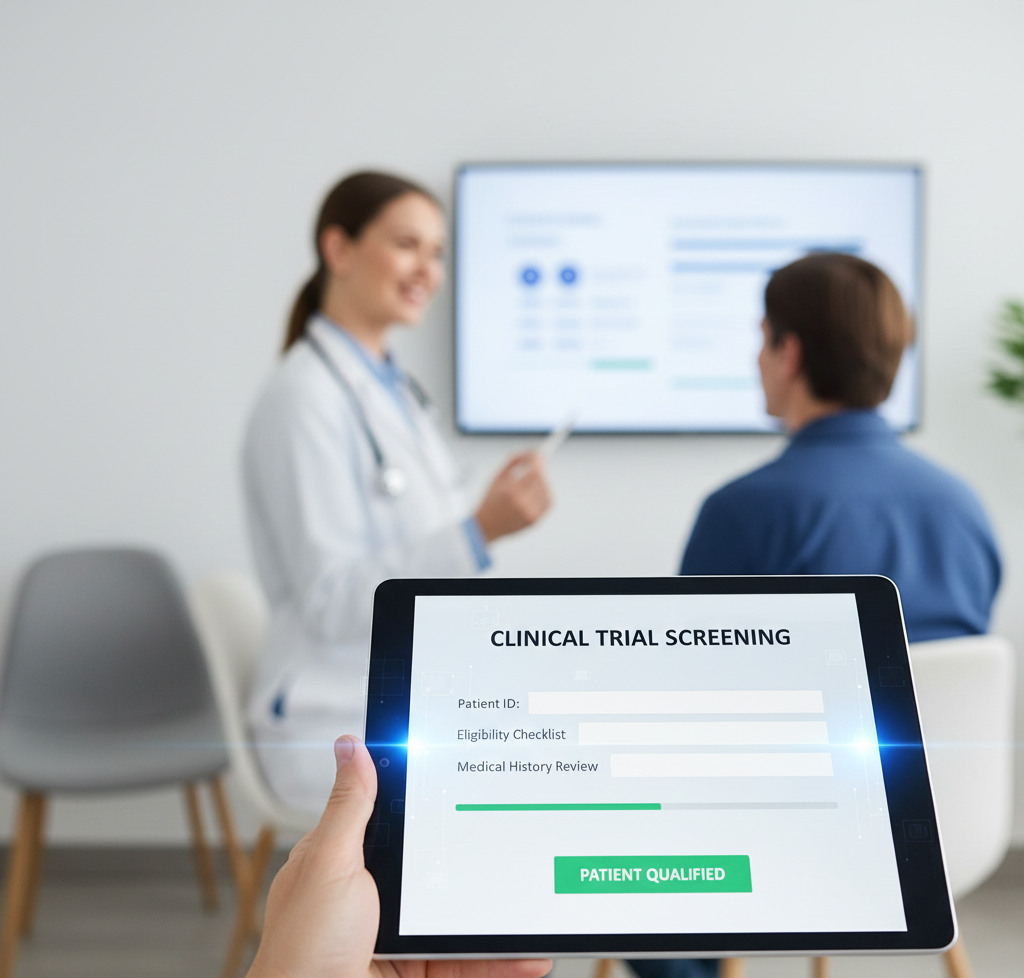
    Participant pre-screening in clinical trials is one of the most important steps in clinical research, yet it is also one of the most inefficient. Many research sites spend valuable hours reviewing potential volunteers, only to discover that a large percentage do not meet trial requirements.

    Screen failure rates remain a persistent problem. In some therapeutic areas, nearly one in three participants who show interest end up being disqualified before enrollment. This not only wastes time and money but also frustrates patients who may have been eager to contribute. For both sites and sponsors, high failure rates represent a costly barrier to progress.

    What Causes Screen Failures?

    Screen failures occur for a variety of reasons, but the most common causes include:

    Misunderstood eligibility criteria
    Protocols are often lengthy and complex. Patients and even recruiters can misunderstand requirements such as age limits, prior treatments, or lab value thresholds.

    Lack of accurate patient data
    Without up-to-date health records, a patient might appear eligible at first glance but later be excluded once deeper history or lab results are reviewed.

    Limited pre-screening before site visits
    Too often, patients travel to a clinic only for staff to realize within minutes that they do not qualify. This wastes resources and creates a poor participant experience.

    The result? Sites spend more time screening out than screening in, and sponsors are left with delayed timelines and ballooning budgets.

    The Role of Technology in Pre-Screening

    Digital eligibility tools and AI-driven patient matching

    AI-powered platforms now allow for automated checks against trial protocols. A patient can answer a few structured questions online, and the system instantly compares those responses to the inclusion and exclusion criteria. This removes guesswork and surfaces only the most relevant opportunities.

    Remote health data collection and EHR integrations

    Electronic health records (EHRs) can be securely integrated with trial platforms. This allows key eligibility criteria, such as lab results or comorbidities, to be verified without manual chart reviews. Studies show that using EHRs for recruitment improves both trial feasibility and efficiency by pre-assessing eligibility and identifying targeted populations.

    Reducing human error through automation

    Automation also reduces inconsistencies that arise when different staff interpret criteria differently. By using standardized digital workflows, sites can ensure that eligibility is applied uniformly and consistently across all potential participants.

    In short, technology streamlines pre-screening so that only genuinely qualified participants move forward.

    Efficiency Gains for Sites

    Sites that embrace smarter pre-screening in clinical trials quickly see measurable benefits:

    Fewer wasted appointments
    Instead of spending time with candidates who were never eligible, staff focus their efforts on high-probability participants.

    Faster recruitment timelines
    When prescreening filters are in place, sites hit enrollment targets sooner. An AI-driven trial in cardiology, for example, nearly doubled enrollment speed compared to manual review processes.

    Better patient experience
    Volunteers who engage with trials want their time respected. By avoiding unnecessary visits, sites build trust and ensure participants feel valued rather than dismissed.

    These gains improve morale for staff, strengthen community relationships, and increase the overall reputation of the site.

    Building Sponsor Trust Through Smarter Pre-Screening in clinical trials

    Sponsors closely watch screening performance when evaluating site reliability. High failure rates suggest inefficiency, poor data management, or inadequate patient engagement.

    When sites demonstrate lower screen failure rates through smarter pre-screening, they signal several key strengths:

    • Operational efficiency: sponsors know resources are being used wisely.
    • Data integrity: eligibility is confirmed earlier, reducing the chance of protocol deviations.
    • Confidence in performance: reliable sites are more likely to be selected for future studies.

    Sponsors invest heavily in clinical research, so any process that improves predictability and reduces waste builds trust. Smarter pre-screening directly contributes to stronger sponsor-site partnerships.

    Real-World Approach: Pre-Screening Before Site Visits

    An increasing number of organizations now help sites by conducting pre-screening checks before participants ever arrive at a clinic.

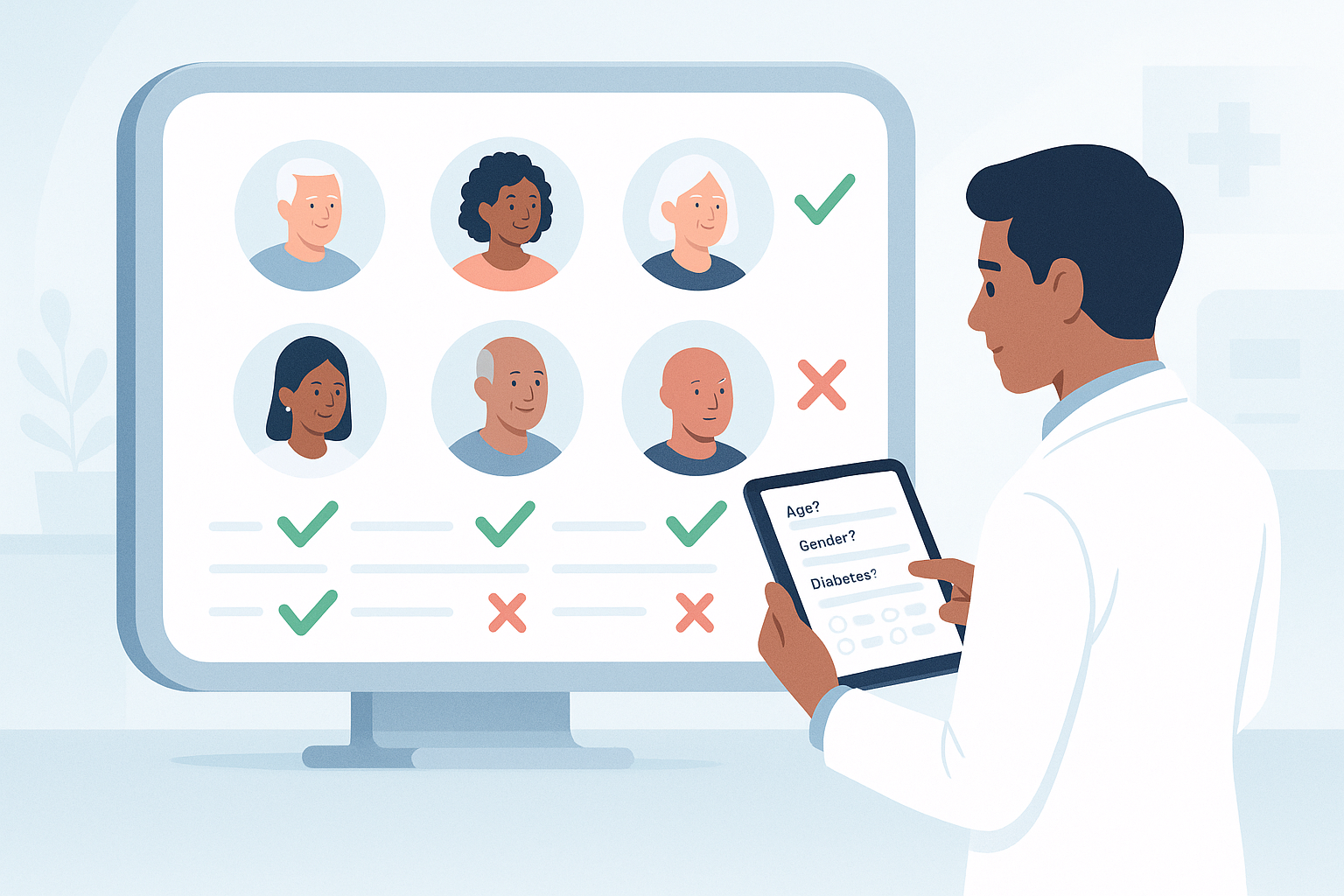
    For example, patient engagement platforms use online questionnaires and basic medical checks to identify likely eligible volunteers. These candidates are then referred to sites only after passing the first filter. This means site staff spend less time rejecting participants and more time confirming final eligibility.

    DecenTrialz is part of this ecosystem. Its approach involves pre-screening volunteers against trial criteria, covering demographics, condition, and other core factors, before they are referred to research sites. This ensures sites perform secondary screening only on a pool of already-likely-eligible candidates. The outcome is a smoother workflow for sites, higher-quality referrals for sponsors, and less frustration for patients.

    Conclusion: Smarter Pre-Screening, Stronger Trials

    High screen failure rates have long been a costly challenge in clinical trials. But with the rise of AI-driven eligibility tools, EHR integrations, and automated pre-screening workflows, sites are now better equipped to reduce wasted visits, speed up recruitment, and improve participant experiences.

    For sponsors, these advances translate into stronger site credibility, cleaner data, and faster study timelines. For patients, it means less disappointment and more meaningful engagement.

    Smarter pre-screening is not just a technical improvement. It is a strategic shift that benefits everyone involved in clinical research.

    FAQ

    What is pre-screening in clinical trials?
    Pre-screening is the process of checking basic eligibility before a participant is invited to a formal site screening visit. It typically involves online questionnaires, phone calls, or health record reviews.

    How does technology reduce screen failures?
    Technology automates eligibility checks, integrates with health records, and applies criteria consistently. This reduces errors and ensures only the right participants move forward.

    Why do sponsors care about pre-screening efficiency?
    Efficient pre-screening lowers costs, reduces delays, and increases confidence in trial data. Sponsors prefer sites that demonstrate reliable recruitment performance.

    What is the difference between pre-screening and secondary screening?
    Pre-screening happens first and uses basic criteria to filter participants remotely. Secondary screening takes place at the site and involves detailed tests and assessments before enrollment.

  • The Hidden Cost of Slow Recruitment in Clinical Trials: Why Time-to-First-Patient Matters

    The Hidden Cost of Slow Recruitment in Clinical Trials: Why Time-to-First-Patient Matters

    Time is more than just money in clinical trials; it’s also a market opportunity. The time-to-first-patient (TFP) countdown starts as soon as a protocol is approved. This is the number of days that pass between site activation and the first participant’s enrollment.

    Because a slow start frequently indicates a slow enrollment, sponsors and CROs keep a close eye on TFP. The entire trial period may exceed budget, postpone market entry, and even reduce the therapy’s competitive edge if it takes months to find the first patient.

    The True Cost of Delays

    Every day without a participant enrolled in the study can impact budgets and outcomes:

    Budget overruns include increased project management fees, higher monitoring expenses, and longer site staffing.

    Opportunity cost: The later a therapy enters the market, the shorter the time before competitors arrive or patent exclusivity ends.

    Regulatory risk: Delays might require protocol revisions or reapprovals, which would further slow down the process.

    Nearly 80% of clinical trials miss their enrollment deadlines, according to a Tufts Center for the Study of Drug Development analysis. Slow TFP is frequently the first indication of an approaching hiring crisis.

    Why Clinical Trial Recruitment Starts Slowly

    A number of recurring factors slow down the hiring process:

    Restrictive eligibility: The pool of possible participants is reduced by strict inclusion/exclusion criteria.

    Geographical barriers: Participation is discouraged by long travel distances or relocation requirements.

    Site resource limitations: Some research sites don’t have technology tools or specialized recruitment staff.

    Low patient awareness: A lot of patients are unaware that they can participate in trials.

    Without early planning, these barriers can keep trials stalled at zero participants for weeks or months.

    How Clinical Trial Recruitment Platforms Help

    The speed at which the first patient is enrolled is being changed by clinical trial finder platforms. These tools use criteria like diagnosis, location, and trial phase to match eligible participants to ongoing studies.

    Electronic Health Record (EHR) databases are frequently integrated with modern platforms to expedite the process of identifying eligible patients.

    Patient advocacy organizations should reach out to reliable networks.

    Digital campaigns that are specifically targeted to underrepresented groups.

    Some patient-focused companies, including those using pre-screening and matching tools like DecenTrialz (which does not conduct trials but connects patients with research sites), are showing how technology bridges the gap between eligible participants and active studies. The result? Shorter TFP without sacrificing compliance or safety

    Compliance and Patient Safety

    Recruitment tools are only effective if they operate within strict IRB or Ethics Committee–approved protocols and HIPAA privacy standards. This means:

    Patient data must be stored and transmitted securely.

    Consent procedures to be clear and simple to understand.

    Outreach should never take place without first undergoing ethical and legal review.

    A platform that speeds up recruitment but violates privacy rules risks regulatory shutdowns—which can delay a trial far longer than slow enrollment ever would.

    Best Practices to Improve Recruitment Efficiency

    Trial teams need to stick to proven techniques to maintain TFP short even with the best technology:

    Prior to human outreach, pre-screening automation removes patients who are not eligible.

    Reach a wider range of patient communities with multilingual outreach.

    Patients can pre-qualify without physically visiting a location,thanks to remote eligibility checks.

    Real-time recruitment analytics: Modify campaigns according to what is effective and the locations of bottlenecks.

    Multilingual outreach alone can boost recruitment rates by up to 20% in international studies, according to one industry report. This is a big impact when every day counts.

    More Than Just Money: Quicker Recruiting Resulted in Quicker Patient Access

    Faster TFP means less financial strain for sponsors. Patients will have faster access to potentially life-saving treatments as a result. Therefore, establishing trust and removing obstacles should be the main goals of contemporary recruitment strategies, whether they are implemented locally or through technological platforms.

    Platforms such as DecenTrialz, which links patients with research sites without conducting trials, and others in the field show that speed, privacy, and compliance can all coexist. Trials are more likely to conclude on schedule, within budget, and with significant results when they get off to a strong start.

    In addition to being a scheduling annoyance, slow recruitment has hidden costs that impact patient care, market access, and budgets. There will be quantifiable benefits for sponsors and sites that put lowering TFP first through careful planning, tech-enabled matching, and compliant outreach.

    The first patient enrolled may set the pace for the entire trial in a competitive clinical research environment. Results and possible new treatments may reach those who need them most quickly if the patient is enrolled as soon as possible.

  • Reducing Clinical Trial Screen Failures : How Sites Can Improve Eligibility Matching

    Reducing Clinical Trial Screen Failures : How Sites Can Improve Eligibility Matching

    Clinical trial screen failures occurs when a potential participant begins the screening process but does not meet the eligibility requirements to continue in the trial. This might happen after signing consent or even after completing some assessments. Screen failures are common, and depending on the study, can range anywhere from 20 percent to more than 70 percent of those initially screened.

    The impact of these failures is significant. For sponsors, every screen failure represents lost time and money. Delays in enrollment can cost hundreds of thousands of dollars per day, pushing back timelines for life-saving therapies. For sites, the burden falls on staff who invest time in patients who ultimately cannot enroll. For participants, the experience can be frustrating, traveling, sharing personal information, and investing hope only to be told they are not eligible. Over time, this erodes trust in research and makes people less likely to consider future trials.

    High screen failure rates are not just an inconvenience. They are a real threat to trial efficiency, data quality, and participant goodwill.

    Root Causes of Clinical Trial Screen Failures

    Several common issues drive clinical trial screen failures across clinical sites:

    • Weak pre-screening workflows: If interested patients are brought in for full visits without any filtering, many will be turned away at the clinic door.
    • Incomplete communication of eligibility criteria: Recruitment awareness campaigns or outreach that are vague or oversimplified attract many ineligible patients.
    • Limited digital pre-qualification tools: Without online or automated pre-screeners, obvious mismatches are often not identified until late in the process.
    • Heavy reliance on manual checks: Busy coordinators can make errors or take chances on borderline cases, leading to unnecessary screenings.

    These issues often combine to create high screen failure rates, even in otherwise well-run studies.

    Practical Solutions for Better Matching

    The good news is that sites can take actionable steps to reduce screen failures. By adopting smarter workflows and technology, they can ensure that more participants who reach the clinic are genuinely eligible.

    1. Use digital pre-screeners with adaptive logic. Online questionnaires that guide participants through tailored questions can quickly identify obvious exclusions. This saves time for both the site and the patient.
    2. Communicate criteria clearly. Ads and outreach materials should explain the most important eligibility requirements in plain language. Transparency allows participants to self-select and reduces frustration.
    3. Train site staff thoroughly. Coordinators and investigators should be confident in applying criteria and empowered to stop unsuitable candidates early. Clear SOPs, checklists, and regular training make a difference.
    4. Integrate EMR/EHR data securely. Sites with access to electronic health records can identify likely candidates before outreach. When done in compliance with HIPAA and IRB approvals, this reduces wasted screenings and improves targeting.
    5. Adopt decentralized tools and dashboards. eConsent platforms, telehealth pre-screens, and real-time analytics dashboards reduce burden on patients and help sites monitor where candidates are dropping out.

    Together, these strategies shift screening from reactive to proactive, ensuring that only high-potential candidates move forward.

    A Participant-First Approach

    Eligibility matching should not only be efficient but also participant-centric. Sites can build trust and improve retention by making screening as respectful and transparent as possible.

    • Minimize burden. Offer flexible scheduling, combine procedures into fewer visits, and use telehealth or home health visits when possible.
    • Be transparent about criteria. Explain why certain requirements exist, whether for safety or scientific validity. Participants are more understanding when they know the reasons behind exclusions.
    • Provide guidance. Share preparation materials before screening and keep communication open. If someone is not eligible, explain it gently and, if appropriate, let them know they may be contacted for future studies.

    When participants feel informed and respected, even a screen failure can leave them with a positive impression of clinical research.

    Industry Best Practices

    Across the U.S., leading research sites have shown that high screen failure rates can be reduced with smart strategies:

    • Layered pre-screening: Combining digital questionnaires, phone calls, and EHR checks before an on-site visit helps sites focus on the most qualified candidates.
    • Data-driven insights: Tracking why participants fail allows sites to adjust outreach strategies and refine eligibility reviews over time.
    • Technology platforms: Solutions like DecenTrialz help sites automate pre-screening, match participants to trials in real time, and provide unified dashboards for sites and sponsors. These HIPAA-compliant platforms reduce manual work, improve transparency, and make the entire process more participant-friendly.

    Moving Forward

    High screen failure rates do not need to be accepted as the cost of doing research. By improving eligibility matching in trials, sites can cut costs, accelerate timelines, and protect participant trust. Smarter workflows, clear communication, and participant-first practices all contribute to reducing screen failures and strengthening the overall clinical trial process.

    If you are a clinical trial site or CRO, now is the time to rethink your approach. Invest in digital pre-screening tools, train your staff, and adopt HIPAA-compliant platforms that support both efficiency and participant care. Reducing screen failures is about more than saving money. It is about showing respect for volunteers and delivering on the promise of faster, better clinical research.

  • Clinical trial management systems: The backbone of site operations

    Clinical trial management systems: The backbone of site operations

    Every clinical trial depends on strong site operations. Behind the science, it is the daily work of coordinators, investigators, and support staff that keeps research moving. Patient visits must be scheduled, regulatory documents maintained, and sponsor requirements met. Many sites are running multiple studies at once, which makes efficiency and organization even harder to manage.

    This is where a Clinical Trial Management System (CTMS) proves its value. A CTMS serves as the foundation of trial operations, bringing together scheduling, documentation, oversight activities, and communication into one platform. With the right system in place, sites can spend less time chasing paperwork and more time focusing on participants.

    What Is a Clinical Trial Management System (CTMS)?

    A CTMS is specialized software designed to help research sites manage the operational workflow of clinical studies. Unlike generic project management tools, it supports the structure and documentation needs unique to clinical research.

    A CTMS typically allows research sites to:

    • Track participant enrollment and visit schedules
    • Monitor study milestones and deadlines
    • Store and manage regulatory and ethics documents with version control
    • Organize budgets, reimbursements, and sponsor payments
    • Facilitate secure communication between staff, sponsors, and CROs

    For research teams, this means fewer manual tasks and a more organized, predictable workflow.

    Why Research Sites Need a CTMS

    Research sites today face heavier operational demands than ever, from increased regulatory expectations to sponsor-driven reporting requirements. A CTMS helps meet these challenges by:

    Managing multiple studies in one place

    Sites can oversee recruitment, scheduling, and reporting for all active trials through a unified dashboard.

    Supporting compliance readiness

    Workflows help sites maintain clean documentation, organized records, and clear audit trails—making inspections easier and reducing risk.

    Reducing administrative burden

    Automation handles tasks such as scheduling reminders, visit tracking, and document versioning, giving coordinators more time for participant-facing activities.

    Building sponsor and CRO trust

    Organized processes and clearer reporting strengthen collaboration and make sites stronger candidates for future studies.

    Benefits of CTMS for Site Operations

    When implemented properly, a CTMS brings measurable improvements to daily site workflows:

    Streamlined scheduling and resource use

    Automated calendars and reminders reduce missed visits and keep rooms and staff allocated efficiently.

    Faster documentation and reporting

    Progress updates and compliance documents can be generated quickly, reducing preparation time.

    Inspection-ready records

    Version control, audit trails, and centralized documentation help sites stay organized for IRB reviews, sponsor monitoring, and regulatory inspections.

    Improved collaboration

    With information stored in one place, teams spend less time searching for documents and more time delivering quality research.

    Better participant retention

    Automated reminders and communication tools help participants stay engaged and informed.

    CTMS in Action: Real Site Use Cases

    Patient scheduling

    Coordinators rely on automated reminders and centralized calendars to reduce no-shows.

    Regulatory inspections

    Sites can produce reports and documentation quickly during IRB audits, sponsor reviews, or regulatory visits.

    Recruitment tracking

    Dashboards highlight enrollment status, screening outcomes, and upcoming milestones.

    Data accuracy

    Integrated systems ensure records remain consistent across platforms such as EDC tools.

    The Bigger Picture: How CTMS Advances Clinical Research

    Beyond improving efficiency, CTMS adoption strengthens the overall integrity and progress of research:

    • Supporting participant safety through clear, protocol-driven visit planning
    • Reducing operational bottlenecks that slow down study timelines
    • Strengthening sponsor trust through transparent oversight and reporting
    • Improving participant experience through smoother communication and scheduling

    A CTMS is not just an efficiency tool, it helps research sites maintain organized, traceable, and privacy-conscious workflows.
    By supporting HIPAA-aligned data handling and structured documentation processes, CTMS platforms help ensure that patient rights and privacy remain central in every study.

    Conclusion

    A Clinical Trial Management System has become the operational backbone of modern research sites. It simplifies administrative work, supports inspection readiness, and strengthens relationships with sponsors, while also helping sites provide a smoother, more supportive experience for participants.

    For research sites looking to modernize operations, a privacy-focused and workflow-driven system like DecenTrialz makes CTMS adoption both practical and sustainable.

    FAQs: CTMS at Research Sites

    Q1. What is the difference between CTMS and EDC?

    A CTMS manages site operations and workflow activities, while an EDC captures and stores clinical data. Most sites use both for streamlined processes.

    Q2. Can smaller sites benefit from a CTMS?

    Yes. Modern CTMS platforms are scalable for single-site, emerging, and multi-site research teams.

    Q3. How does a CTMS improve patient retention?

    Automated reminders, flexible scheduling tools, and communication portals help reduce participant burden and improve adherence.

    Q4. Is a CTMS legally required?

    No, a CTMS is not mandated by law—but it helps sites stay organized, reduce risk, and maintain documentation needed for inspections and audits.

  • Clinical Trial Compliance: Essential Practices Every Site Must Follow

    Clinical Trial Compliance: Essential Practices Every Site Must Follow

    Compliance is the backbone of ethical and successful clinical trials. Every research site needs to follow compliance standards to protect participants and produce trustworthy results. When guidelines are followed step by step, participants remain safe, data stays reliable, and the site earns trust. On the flip side, faults in compliance can put patients at risk, damage data quality, and harm a site’s reputation.

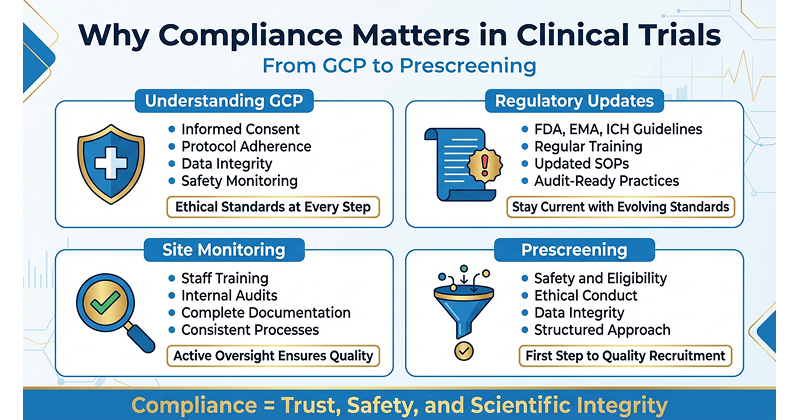
    Understanding Good Clinical Practice (GCP)

    At the center of compliance in clinical trials are Good Clinical Practice (GCP) guidelines. These international ethical and scientific standards set the rules for designing, conducting, recording, and reporting clinical studies. They show how a trial should be managed to safeguard participants and ensure reliable data.

    Key principles of GCP include:

    Informed Consent: Participants must willingly agree to join after understanding the purpose, process, risks, and potential benefits of the trial.

    Protocol Adherence: Stick to the trial protocol without making unauthorized changes. The protocol is the study’s blueprint, and following it ensures scientific integrity.

    Data Integrity: Data must be recorded accurately and fully. Each observation and outcome needs to be documented so findings are dependable and verifiable.

    Safety Monitoring: Watch participant health carefully and report adverse events quickly to identify risks early and respond promptly.

    Regulators worldwide expect strict GCP compliance, but more importantly, it’s about doing right by the participants.

    Staying Up-to-Date with Regulations

    Clinical trial regulations are constantly evolving. As science advances and new challenges surface, requirements shift. Research sites must stay alert and adapt to keep up.

    This involves tracking updates from authorities such as the FDA, EMA, ICH, and local regulators, then adjusting practices accordingly. New requirements may affect privacy, data handling, or reporting standards. To stay compliant, sites should review bulletins regularly, attend workshops, and update their Standard Operating Procedures (SOPs) and training materials when needed. Keeping pace with regulations ensures sites remain aligned with current expectations.

    Site-Level Compliance Monitoring

    Even with solid plans, everyday operations require oversight. Site-level monitoring means catching and correcting problems before they escalate.

    Training & Procedures: Staff must be well-trained in GCP, the trial protocol, and site SOPs. Ongoing refreshers keep them current.

    Internal Audits: Conduct periodic audits of records and processes. For instance, check that consent forms are properly signed and that data entries match source documents. These checks identify issues like missing records or protocol deviations early.

    Thorough Documentation: Ensure trial records are complete and updated. If it isn’t documented, it didn’t happen.

    By monitoring closely, sites create a culture of quality and preparedness. External audits then become smoother, with fewer surprises. Most importantly, it safeguards participants and protects the credibility of the research.

    The Importance of Ethical Standards

    Ethics drive clinical research, and compliance is how those ethics come alive in practice. Areas like participant protection, informed consent, and transparency highlight the connection between the two.

    Participant Protection: Trials must prioritize the rights and well-being of participants. Continuous monitoring and ethics board oversight help reduce risks, and if serious concerns arise, ethical sites act immediately.

    Informed Consent: Beyond being a legal requirement, informed consent is an ethical obligation. Using approved forms and plain language helps participants truly understand the study. They should know their participation is voluntary and that they can withdraw at any time.

    Data Transparency: Honesty is crucial in research. Compliance means reporting results truthfully, avoiding data manipulation, and following requirements to register and publish trial outcomes. This openness builds trust with the public.

    Adhering to ethical principles through compliance ensures participant protection and data credibility, while also maintaining public confidence in clinical trials.

    Pre-screening Compliance

    Prescreening is the first step in identifying potential participants, usually by checking basic eligibility criteria before enrollment. Done correctly, it speeds up recruitment, but it must remain accurate and ethical.

    Why compliance matters in prescreening:

    Safety and Eligibility: Only participants who meet the criteria should proceed. This protects individuals from unsafe interventions.

    Ethical Conduct: Since prescreening happens before formal consent, sites must use IRB-approved scripts, collect only necessary data, and ensure participants know this step is voluntary and confidential.

    Data Integrity: Accurate prescreening prevents the wrong candidates from enrolling, avoiding protocol violations and unreliable results.

    Platforms like DecenTrialz help sites manage this prescreening process while staying aligned with GCP and compliance requirements. This reduces rejections later, ensures only eligible volunteers advance, and makes trial operations smoother and more efficient.

    From GCP to prescreening, compliance runs through every layer of a clinical trial. It’s not about ticking boxes,it’s about protecting participants and maintaining the quality of science.

    For research sites, strong compliance means credibility. Regulators and sponsors recognize high standards, and participants are more likely to trust ethical sites. Ultimately, compliance forms the foundation for every responsible trial, allowing new treatments to be tested safely while earning and keeping public trust.

  • Site Management in Clinical Trials: 4 Proven Ways to Boost Efficiency

    Site Management in Clinical Trials: 4 Proven Ways to Boost Efficiency

    Effective clinical trial site management is essential for improving research quality, reducing delays, and avoiding costly errors Many trials fall behind schedule due to site-level operational inefficiencies rather than inadequate science. Ineffective scheduling, ambiguous roles, or antiquated manual procedures can prolong research, raise expenses, and irritate participants.

    Conversely, a well-run research site produces quantifiable advantages. Sites with effective systems save time, cut down on errors, enhance the quality of the data, and provide a more seamless experience for participants and employees. Understanding how to increase clinical trial efficiency can be crucial, whether you are managing a study at one site or coordinating across several locations.

    The four tried-and-true methods listed below will help research sites perform at their best.

    1. Optimizing Site Workflow

    The foundation of effective site management is a well-organized workflow. Without defined procedures, employees frequently encounter bottlenecks that result in avoidable delays, such as overlapping tasks, redundant paperwork, or unclear communication. Mapping out the complete participant journey—from pre-screening calls to follow-up visits—and determining where tasks are delayed is the first step.

    Among the doable actions to streamline workflows are:

    Clear SOPs should be written for high-volume tasks like visit check-ins, informed consent, and eligibility screening. This reduces errors and establishes consistency.

    Make role-based checklists to ensure that everyone on the team is aware of their responsibilities at every turn, preventing misunderstandings or effort duplication.

    Have brief daily meetings to go over the agenda, identify any possible problems, and make sure all employees are on the same page. Significant disruptions can be avoided in just ten minutes.

    To give coordinators a real-time picture of site progress, use visual dashboards to track participant status and highlight past-due milestones.

    Sites can promptly detect delays and maintain visitation schedules by optimizing pre-screening, eligibility checks, and participant tracking. Staff members spend more time assisting participants and less time fighting fires when workflows are efficient.

    2. Leveraging Project Management Tools

    In essence, overseeing a clinical trial is overseeing a complicated project. Although they frequently work in silos, sponsors, labs, investigators, and site staff are all working toward the same objective. These moving components are brought together in one location by digital project management tools, especially when combined with a Clinical Trial Management System (CTMS).

    How efficiency is increased by project management tools:

    Setting deadlines for tasks guarantees accountability, and reminders help avoid bottlenecks.

    The team remains proactive through automated alerts for protocol updates, impending monitoring visits, or past-due documentation.

    By eliminating the need for dispersed emails, centralized communication facilitates the tracking of conversations and decisions.

    Stakeholders can see site progress and outstanding issues instantly thanks to real-time dashboards.

    Real-time visibility into participant enrollments, site visits, and task progress is available on DecenTrialz through the research sites dashboard. Site teams can view everything in one location rather than juggling spreadsheets or waiting for updates. In addition to saving time, this transparency increases sponsor and CRO trust in the site’s functionality.

    3. Effective Allocation of Resources

    Inadequate resource allocation can make even the best processes and tools ineffective. Poor scheduling, staff burnout, or supply shortages frequently cause studies to go awry and irritate participants. Effective use of time, personnel, and materials is ensured by prudent resource allocation.

    Among the resource management techniques are:

    To prevent last-minute understaffing, forecast participant enrollment and schedule employees in accordance with workload peaks.

    Employees should receive cross-training so they can fill in in various capacities as needed, giving the team flexibility.

    Use just-in-time inventory control to avoid serious study material shortages and cut expenses associated with overstocking.

    For unforeseen visits, urgent questions, or rescheduled participant check-ins, maintain flexible appointment times.

    Sites can more precisely manage supply inventory and forecast staffing needs by using real-time data from DecenTrialz. This prevents resource waste and enables sites to get ready for surges in participation. Participants receive more dependable care and staff satisfaction increases when resources are appropriately balanced.

    4. Automating Tasks Related to Administration

    One of the main factors reducing site efficiency is administrative workload. Instead of spending time interacting with participants or addressing trial issues, coordinators frequently spend hours chasing paperwork, setting up visits, or compiling reports. This load is lessened and human error is decreased by automating repetitive tasks.

    Examples of efficiency-boosting automation include:

    Automated scheduling systems that are connected to participant databases reduce no-shows by sending out email or text reminders.

    E-consent, or digital consent forms, expedite the procedure while guaranteeing that all necessary fields and signatures are always completed.

    Time is saved and consistency is maintained by using pre-made templates for visit packets, monitoring reports, or follow-up letters.

    Automated notifications for missing paperwork or training renewals stop compliance problems before they get out of hand.

    Sites move from reactive to proactive management when they implement automation. Employees spend less time on monotonous work and more time on the things that really count: trial integrity, data quality, and participant safety.

    It takes a system where each little improvement builds up over time to increase clinical trial site efficiency. Sites can achieve smoother operations, faster timelines, and higher-quality results when administrative tasks are automated, workflows are optimized, tools are used effectively, and resources are allocated wisely.

    In the end, effective site management is advantageous to all parties. Most importantly, participants have a positive experience throughout their journey, sponsors see trials stay on schedule, and staff have more manageable workloads. Sites that adopt these efficiency tactics will not only perform better in the cutthroat research environment of today, but they will also be recognized as trustworthy collaborators for upcoming projects.

  • The Role of Research Coordinators in Clinical Trials

    The Role of Research Coordinators in Clinical Trials

    Clinical research coordinators (CRCs), sometimes people call them the “backbone” of trial sites, play a big role in making sure studies actually happen. They handle the daily stuff, like checking rules, looking after data, talking with participants, and keeping everything moving under the principal investigator (PI). Without CRCs, trials can quickly get messy. Their job is really about keeping the data right and most of all, making sure participants are safe.

    Responsibilities of Clinical research coordinators

    CRCs don’t just sit with paperwork, their work is much more than that. Some of the main things they do are:

    Recruiting and Screening People

    One of the first things is finding people who might join a trial and then checking if they fit the protocol. They talk to participants, explain what the study is about, take consent, and go through medical records. This is important so only the right people get enrolled.

    Pre-Screening Tools:

    These days Clinical research coordinators don’t have to wait for someone to come into the clinic. Remote checks, video calls, and tools like DecenTrialz help in primary pre-screen participants faster and save everyone’s time.

    Planning Study Visits

    CRCs also plan visits, prepare papers, and make sure everyone follows steps correctly. They talk with nurses, imaging teams, and labs so nothing gets missed.

    Data Work

    Collecting and storing trial data is another big part. Clinical research coordinators use electronic forms (eCRFs), trial systems (CTMS), and sometimes EDC to record data. These systems make mistakes less likely and speed up checks. Still, CRCs have to double-check often because if data is wrong, the whole trial suffers.

    Following the Rules

    Trials have to follow national and international rules. CRCs look after the Investigator Site File (ISF), handle papers for ethics boards (IRBs), and keep everything up to date with FDA and Good Clinical Practice (GCP) guidelines. If rules change, they need to adjust quickly.

    Investigational Products

    Whether it’s a drug or device, Clinical research coordinators also look after the product. They check storage, count inventory, and make sure it’s given to participants the right way. Mistakes here could be dangerous.

    Watching for Adverse Events

    If something bad happens to a participant, CRCs need to catch it and report it fast. They work with the PI and sponsor to record it and take action so participants stay safe.

    Communication

    Clinical research coordinators are the go-between for everyone, the team, the sponsor, and the participants. They keep everyone updated, answer questions, and help participants feel supported. This helps build trust and keeps participants engaged.

    Participant-Centric Strategies

    Remote Tools and Virtual Visits: As decentralized trials become more popular, CRCs can help make remote screenings and virtual visits more accessible to participants, particularly in populations with varying geographic locations.

    eConsent: By enabling participants to give informed consent remotely, simplify the enrollment procedure and enhance the participant experience.

    Frequent Communication: To keep participants informed and remind them of important appointments or protocol requirements, CRCs proactively engage with them by sending reminders, offering educational materials, and utilizing a variety of communication channels, including secure messaging apps, emails, and phone calls.

    Personalized Support: Personalized care, like keeping track of a participant’s interests, or family history, strengthens bonds and encourages loyalty, which eventually improves retention.

    In order to maintain participants’ interest throughout the study, CRCs assist them in identifying and resolving any potential obstacles, such as scheduling conflicts or transportation problems. To make participation easier, some websites even offer flexible scheduling options or transportation vouchers.

    By implementing these tactics, CRCs guarantee that trial participants receive complete support, increasing retention and engagement rates and, ultimately, the overall quality of the study data.

    Education and Growth

    Most CRCs start with a degree in health sciences, but that’s only the beginning. They usually go on to get certifications such as:

    • Certified Clinical Research Coordinator (CCRC) from ACRP
    • Certified Clinical Research Professional (CCRP) from SoCRA

    They also need Good Clinical Practice (GCP) training, which covers how to keep participants safe and data correct. This training usually needs a refresh every few years.

    Clinical research coordinators keep growing with:

    • Training on the job for each study and product
    • Conferences like SoCRA or ACRP to learn new methods
    • Courses in stats, pharmacology, or regulatory topics
    • Reading industry newsletters to stay updated
    • Working with Sponsors and Teams

    CRCs don’t work alone. They sit in the middle of many groups, sponsors, CROs, nurses, labs, and the PI. To keep things smooth they:

    • Hold team meetings to share updates
    • Tell sponsors quickly if something changes
    • Keep files like the ISF clean and ready for audits
    • Work with the PI and sponsor to fix problems like slow enrollment

    CRCs make clinical trials possible. They recruit, collect data, watch for safety, and make sure trials follow the rules. They also help participants feel supported from start to finish. With modern tools like eCRFs, CTMS, eConsent, and remote visits, plus ongoing training, CRCs are ready to handle even complex studies. Their work not only moves research forward but also protects participants, which is what matters most.