Category: Participants

  • History of Women in Clinical Trials: The Powerful Shift Toward Inclusive Medical Research

    History of Women in Clinical Trials: The Powerful Shift Toward Inclusive Medical Research

    A History of Women in Clinical Trials

    The history of women in clinical trials is not just a scientific story. It is also a human one.

    In the early years of modern medicine, many women trusted that the medications prescribed to them had been thoroughly tested for everyone. Few realized that much of the research guiding those treatments had been conducted primarily on men. For decades, women were systematically excluded from clinical trials, leaving a significant knowledge gap about how drugs and therapies affect female bodies.

    This exclusion shaped medical practice in ways that are still being addressed today. From drug dosing differences to unexpected side effects, the absence of women in research created blind spots in healthcare knowledge.

    Today, medical research is working to correct that imbalance. Policies, advocacy efforts, and technological advancements are helping increase female clinical trial participation and ensure that medical treatments are safe and effective for everyone.

    Understanding the women in clinical trials history reveals why representation matters in research and how modern studies are becoming more inclusive.

    Early Exclusion: Why Women Were Left Out of Research (1950s–1980s)

    For much of the twentieth century, women were largely excluded from clinical research. Several factors contributed to this pattern.

    One of the most influential events was the thalidomide tragedy of the late 1950s and early 1960s. The drug, prescribed to pregnant women for morning sickness, caused severe birth defects in thousands of infants worldwide. In response, regulators sought to protect women of childbearing age from experimental drugs.

    In 1977, the U.S. Food and Drug Administration issued guidance discouraging the inclusion of women of childbearing potential in Phase 1 and early Phase 2 drug trials, except in cases involving life-threatening conditions. While intended as a safety precaution, the policy led many researchers to exclude women entirely from early clinical studies.

    As a result, many studies relied heavily on male participants, assuming that findings would apply equally to women. Over time, scientists discovered that this assumption was flawed.

    Biological differences between men and women can influence drug metabolism, hormonal responses, immune system activity, and disease progression.

    Research later showed that the historical exclusion of women meant that certain medications were approved with limited understanding of how they would affect female patients. In some cases, dosage recommendations were revised once sex-specific data became available.

    These challenges highlighted the long-term consequences of a gender gap in the clinical research landscape.

    The 1993 NIH Revitalization Act: A Landmark Turning Point

    A major milestone in the history of women in clinical trials arrived in 1993 with the passage of the NIH Revitalization Act.

    This legislation required that women and minority groups be included in federally funded clinical research unless there was a clear scientific reason for exclusion.

    The law also required researchers to analyze clinical trial results by sex when appropriate. This requirement marked a critical shift in how studies were designed and evaluated.

    The impact of the NIH Revitalization Act was significant. It increased recruitment of women into federally funded trials, improved awareness of sex differences in medicine, and strengthened the scientific validity of research findings.

    Regulatory agencies also expanded guidance encouraging researchers to evaluate sex differences in clinical research to ensure medications are studied across diverse populations.

    Together, these policy changes helped reshape modern clinical trial design and improve representation in medical research.

    Persistent Gaps in Female Clinical Trial Participation

    Despite meaningful progress, gaps in representation remain.

    By 2026, women are included in many clinical studies, but participation levels still vary depending on the medical specialty.

    Even today, reviews of FDA-regulated clinical trials show that women remain underrepresented in certain therapeutic areas, despite policy changes aimed at improving inclusion.

    Several fields continue to experience disparities in women participation clinical trials.

    Cardiology Research

    Cardiovascular disease is the leading cause of death among women worldwide, yet historically many cardiology trials enrolled fewer female participants than male participants.

    This imbalance has had real-world consequences. Women experiencing heart attacks often present different symptoms than men. For many years, clinical guidelines were largely based on male-dominated research data, which contributed to delays in diagnosis and treatment for many female patients.

    Neurology Studies

    Neurological conditions such as Alzheimer’s disease and multiple sclerosis affect millions of women globally. However, some neurological trials still struggle to recruit balanced patient populations.

    Rare Disease Research

    Rare disease trials often involve small patient populations overall. As a result, gender representation can vary widely across studies, slowing progress in understanding sex-specific treatment responses.

    These disparities highlight why closing the gender diversity clinical research gap remains an important priority for researchers and patient advocacy organizations.

    Patient awareness also plays an important role. Many people do not realize that volunteering for clinical research can help improve medical knowledge for future patients.

    How the Research Landscape Is Changing

    The landscape of clinical research has evolved significantly in recent decades, with increasing emphasis on diversity and representation.

    One important change is the growing requirement for sex-specific clinical research analysis. Regulators now encourage or require researchers to examine how treatments affect men and women differently. This helps identify differences in safety profiles, dosage responses, and treatment effectiveness.

    Another major development is the expansion of research initiatives dedicated to women’s health. Programs led by organizations focused on women’s health research have helped strengthen the field and encourage broader participation in clinical studies.

    Advocacy organizations and patient groups have also played a critical role in improving awareness and supporting more inclusive research practices.

    Many patient advocacy groups work to improve representation and ensure that clinical research reflects the real populations affected by disease.

    For patients and volunteers who want to understand how studies work and why participation matters, educational resources are also helping explain how clinical trials operate and how people can contribute to advancing medical research.

    Platforms like DecenTrialz help patients explore clinical trials across multiple conditions while supporting researchers in reaching more diverse participant populations.

    The Future of Women in Clinical Research

    Clinical research is moving toward a more inclusive future where women are better represented in medical studies.

    Over the past few decades, policy changes such as the NIH Revitalization Act helped shift research practices toward greater inclusion. Today, researchers increasingly recognize that diverse participation leads to safer treatments, better health outcomes, and stronger medical evidence.

    For patients and volunteers, participating in clinical trials can help shape the future of healthcare by ensuring that research reflects the diversity of the people it serves.

    As awareness continues to grow and research design becomes more inclusive, the next generation of clinical trials has the potential to provide deeper insights into how diseases and treatments affect women, ultimately improving care for millions of patients worldwide.

  • National Colorectal Cancer Awareness Month: 3 Ongoing Colorectal Cancer Clinical Trials for First-Time Participants

    National Colorectal Cancer Awareness Month: 3 Ongoing Colorectal Cancer Clinical Trials for First-Time Participants

    When Awareness Becomes Personal

    Colorectal cancer clinical trials are shaping the future of prevention, early detection, and treatment at a time when colorectal cancer remains one of the most commonly diagnosed cancers in the United States.

    On a quiet Tuesday morning in March, Maria sat at her kitchen table holding a pathology report she never expected to receive. Just weeks earlier, life felt normal. Now she was facing decisions about surgery, chemotherapy, and what would come next.

    She is not alone. According to the American Cancer Society’s 2026 Colorectal Cancer Facts & Figures, an estimated 154,270 new colorectal cancer cases will be diagnosed in the United States this year. For many families, March is no longer just the start of spring. It becomes the beginning of questions, uncertainty, and hope.

    March is officially National Colorectal Cancer Awareness Month, recognized by Presidential Proclamation since 2000 to encourage education, screening, and research participation. Each year, the first Friday of March is observed as Dress in Blue Day, a nationwide awareness event amplified by the Colorectal Cancer Alliance and covered widely in the media.

    The Centers for Disease Control and Prevention reports that colorectal cancer remains one of the leading causes of cancer-related death in the United States, despite being one of the most preventable and treatable cancers when detected early. At the same time, the National Cancer Institute maintains hundreds of active colorectal cancer clinical trials aimed at improving treatment precision, reducing side effects, and expanding options for patients.

    For patients like Maria, and for those who have never participated in research before, awareness month is not just symbolic. It can be a moment to explore something many people overlook: colorectal cancer clinical trials.

    PURPOSE: A First Look at Clinical Research

    If you have never joined a study before, the phrase clinical trial may sound intimidating. Some people worry about being treated like an experiment.

    In reality, today’s colorectal cancer clinical trials are carefully designed studies that follow strict safety protocols. Many focus on improving existing treatments, reducing unnecessary therapy, or expanding access to promising innovations.

    Below are three active and accessible colon cancer clinical trials currently enrolling in the United States. Each represents a different approach to improving care and each is explained in plain language.

    TRIAL 1 – ctDNA-Guided Adjuvant Chemotherapy

    Could a Blood Test Help You Avoid Unnecessary Chemotherapy?

    Sponsor: National Cancer Institute supported cooperative research groups
    What It Tests: Circulating tumor DNA, or ctDNA, to determine whether chemotherapy is needed after surgery
    Who It’s For: Patients with Stage II to III colorectal cancer following tumor removal surgery
    Locations: Multiple academic and community cancer centers across the United States

    After surgery, many patients receive chemotherapy as an added precaution. The goal is to eliminate microscopic cancer cells that may remain. But not everyone benefits equally from chemotherapy, and it can carry significant side effects.

    This study uses a liquid biopsy blood test to detect circulating tumor DNA in the bloodstream. If no tumor DNA is detected, some patients may safely avoid chemotherapy.

    Why It Stands Out

    • Focuses on reducing overtreatment
    • Uses personalized monitoring rather than a one size fits all approach
    • Could minimize side effects such as fatigue and nerve damage

    The American Society of Clinical Oncology has highlighted ctDNA research as one of the most promising tools in precision colon cancer research.

    What It Could Mean for Patients

    For first time participants, this trial may offer the possibility of skipping chemotherapy if the test shows it is unlikely to help, while still receiving close monitoring.

    You can explore similar colorectal cancer clinical trials on the DecenTrialz platform to review available research opportunities.

    TRIAL 2 – Pembrolizumab + Novel Agent for MSI-H Colorectal Cancer

    Strengthening an Already Proven Immunotherapy

    Sponsor: Merck in collaboration with National Cancer Institute sites
    What It Tests: Pembrolizumab, an FDA approved immunotherapy, combined with a new immune enhancing drug
    Who It’s For: Patients with MSI-H, or mismatch repair deficient, colorectal cancer
    Locations: Oncology centers nationwide

    Some colorectal cancers have a genetic feature called MSI-H, often associated with Lynch syndrome. Research published in PubMed Central has shown that patients with Lynch syndrome benefit from tailored surveillance and targeted therapies.

    Pembrolizumab is already approved for MSI-H colorectal cancer. This study tests whether combining it with another immune targeting medication improves response rates.

    Why It Stands Out

    • Builds on an already established, FDA approved treatment
    • Focuses on a clearly defined genetic subtype
    • Aims to improve effectiveness without starting from the beginning

    What It Could Mean for Patients

    For eligible patients, this combination may enhance tumor shrinkage or extend remission. For first time volunteers, this type of study can feel less intimidating because it builds on a therapy already in use.

    Find active studies and review trial details on DecenTrialz.

    TRIAL 3 – CAR-T Targeting GUCY2C

    Training Your Immune System to Recognize Colon Cancer

    Sponsor: Academic medical centers with biotechnology collaborators
    What It Tests: CAR-T cells engineered to target GUCY2C, a protein commonly found on colorectal cancer cells
    Who It’s For: Patients with advanced or metastatic colorectal cancer
    Locations: Select specialized U.S. cancer centers

    CAR-T therapy involves collecting a patient’s own immune cells, modifying them in a laboratory to recognize cancer cells, and infusing them back into the body.

    This study targets GUCY2C, a protein often overexpressed in colorectal cancer. It is considered an early stage clinical trial, meaning its primary goals are to evaluate safety and understand how well this approach may work in solid tumors such as colorectal cancer.

    Why It Stands Out

    • Highly personalized therapy
    • Represents cutting edge colon cancer research
    • Explores new options when standard treatments have stopped working

    What It Could Mean for Patients

    For patients with metastatic disease, this may offer access to next generation immunotherapy. At the same time, early phase trials focus first on safety and careful monitoring.

    A Quick Word About Eligibility and Safety

    Clinical trials are not right for everyone. Eligibility depends on your exact cancer stage, prior treatments, overall health, and personal preferences.

    The most important step is to discuss any trial you are considering with your oncology team. They can help determine whether participation fits your medical situation and treatment goals.

    How DecenTrialz Helps First Time Volunteers Navigate Options

    Finding colorectal cancer clinical trials on your own can feel overwhelming. Trial descriptions often include medical terminology, eligibility criteria, and location details that are hard to interpret.

    DecenTrialz helps patients filter trials by location, stage, eligibility, and treatment type in plain language, then bring a short list back to their oncology team to review together.

    Ready to take your first step in clinical research? DecenTrialz makes it easy to find colorectal cancer trials near you in plain language, so you can review your options and discuss them with your oncology team. If you are not ready to participate yet, you can sign up for our volunteer registry to stay informed about future studies.

    Awareness is the Beginning. Informed Action Is the Next Step.

    National Colorectal Cancer Awareness Month reminds us that statistics represent real people. Behind the projected 154,270 new diagnoses this year are families making decisions about treatment, quality of life, and hope.

    Clinical research has helped improve survival rates and expand treatment options over the past decades. Yet many eligible patients never explore trials simply because they do not realize they are an option.

    March is a time to wear blue, talk about screening, and share stories. But it can also be a time to ask a new question: could exploring colorectal cancer clinical trials open another path forward for you or someone you love?

  • Washout Period in Clinical Trials: 5 Essential Facts Every Participant Should Know

    Washout Period in Clinical Trials: 5 Essential Facts Every Participant Should Know

    A washout period in clinical trials may sound technical and even intimidating at first.

    You finally find a clinical trial that feels like a potential option. It may offer access to a new investigational treatment, closer monitoring, or another path to explore. You scroll through the eligibility details and then you see a line that makes you pause.

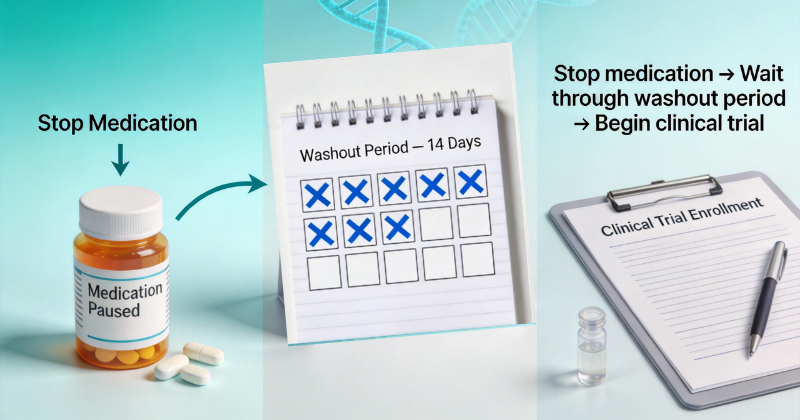
    “Participants must complete a 14-day washout period before enrollment.”

    Suddenly, questions start racing.

    Do I need to stop my current medication?
    Is that safe?
    Will I still qualify?

    If you are considering trial participation, understanding the washout period can help you make informed and confident decisions. This guide explains what is a washout period in clear, simple language without overwhelming medical jargon.

    What is a Washout Period?

    A washout period is a planned amount of time during which a participant stops taking certain medications before starting a clinical trial.

    In simple terms, it is a clearing period that allows previous drugs to leave your body before a new study treatment begins.

    Educational resources explain that a medication washout helps ensure earlier treatments do not interfere with study results. Major clinical research registries include washout periods as part of official trial protocol terminology, highlighting how standardized this process is in research.

    The washout period is not random. It is carefully calculated and built into trial participation requirements to support both safety and accurate study results.

    Why a Washout Period Matters in Clinical Trials

    Clinical trials must produce reliable data. If someone begins a study while another medication is still active in their system, researchers may not know which drug is responsible for:

    • Improvements
    • Side effects
    • Lab changes
    • Symptom differences

    Federal clinical trial design guidance emphasizes controlling variables in research studies to ensure reliable results. A washout period helps reduce overlapping drug effects and improves clarity in study outcomes.

    Washout periods are particularly important in:

    • Early clinical trial phases such as Phase 1 and Phase 2
    • Trials testing new drug classes
    • Studies measuring specific symptom or laboratory changes

    Without a proper washout period, results may become difficult to interpret.

    How Drug Clearance Time Works

    To understand the washout period, it helps to understand drug clearance time.

    Every medication has something called a half-life. A half-life is the time it takes for half of a drug to leave your bloodstream.

    For example:

    • If a drug has a 24-hour half-life, after 24 hours only 50 percent remains.
    • After another 24 hours, 25 percent remains.

    Most medications require about 4 to 5 half-lives to be mostly cleared from the body. This is why washout period timelines differ from one medication to another.

    A medication washout may last:

    • 48 hours
    • 1 to 4 weeks
    • Longer for long-acting medications

    Drug clearance time depends on:

    • Liver and kidney function
    • Dosage
    • Duration of use
    • Individual metabolism

    The washout period is based on pharmacology and safety science and not guesswork.

    5 Essential Facts About a Medication Washout

    1. A Washout Period Protects Your Safety

    The primary purpose of a washout period is safety.

    Stopping one medication and immediately starting another could increase the risk of:

    • Drug interactions
    • Unexpected side effects
    • Altered treatment response

    The washout period gives your body time to stabilize before introducing the investigational treatment.

    2. Not Every Trial Requires a Washout Period

    Some studies allow stable background medications.

    Others require a medication washout only for specific drug categories.

    Washout requirements depend on:

    • The condition being studied
    • The investigational therapy
    • Clinical trial phases
    • Trial participation requirements

    Reviewing eligibility criteria carefully is important before expressing interest.

    3. You Will Not Be Asked to Stop Medication Without Medical Supervision

    A washout period does not mean stopping medication on your own.

    If a medication washout is required:

    • The research team evaluates your safety
    • Your treating physician may be consulted
    • A tapering plan may be created if needed
    • Monitoring is provided

    Participant safety is always the top priority in ethical clinical research.

    4. Washout Periods Can Affect Scheduling

    A washout period may impact when you can officially enroll.

    It might:

    • Delay study start by 1 to 4 weeks
    • Require additional screening visits
    • Include lab testing before and after drug clearance time

    If you are balancing work, family responsibilities, or caregiving, knowing this timeline early helps you plan realistically.

    5. Washout Requirements May Affect Clinical Trial Eligibility

    In some cases, washout timing determines whether you qualify.

    For example:

    • If your medication cannot be safely stopped
    • If symptoms worsen during the washout period
    • If enrollment closes before your medication washout ends

    These factors can influence clinical trial eligibility.

    Clear eligibility disclosure helps you avoid surprises.

    Washout Periods and Clinical Trial Phases

    Washout periods are more common in early clinical trial phases, especially Phase 1 and Phase 2.

    In Phase 1 studies, researchers are often studying a drug in humans for the first time. Because of this, investigators want to make sure that no other medications are influencing the results. A washout period helps create a clean starting point so researchers can understand how the investigational drug behaves in the body.

    Phase 2 trials also frequently use washout periods. These studies focus on how well a treatment works for a specific condition and what side effects might occur. If previous medications remain active in the body, it becomes difficult to determine whether improvements or side effects are related to the study treatment.

    In later Phase 3 trials, researchers may sometimes allow background medications depending on the study design and the condition being studied. By this stage, the treatment has already been studied for safety and dosing. Researchers may focus more on comparing the treatment with existing therapies or evaluating how it performs in larger groups of patients.

    Even in Phase 3 trials, however, washout periods may still be required for certain medications that could interfere with the study results. Each trial defines its own washout requirements based on the treatment being studied, the condition involved, and participant safety considerations.

    Final Thoughts: Making Confident Decisions About a Washout Period

    A washout period is not meant to create barriers. It exists to protect your safety and ensure accurate scientific results.

    Understanding what is a washout period, how drug clearance time works, and how medication washout affects clinical trial eligibility empowers you to ask informed questions:

    • Is it safe for me to pause my medication?
    • How long will the washout period last?
    • How does it affect my schedule?
    • What are the full trial participation requirements?

    After checking eligibility details, always discuss any potential trial and its washout requirements with your treating doctor before making changes to your medication.Clinical research depends on informed volunteers. When the washout period and eligibility criteria are clearly explained, participation becomes a thoughtful decision and not a confusing one.

    Wondering what a washout period means for your schedule? Find transparent, clearly explained trials on DecenTrialz.

  • HPV Clinical Trials 2026: 5 Active Studies for International HPV Awareness Day

    HPV Clinical Trials 2026: 5 Active Studies for International HPV Awareness Day

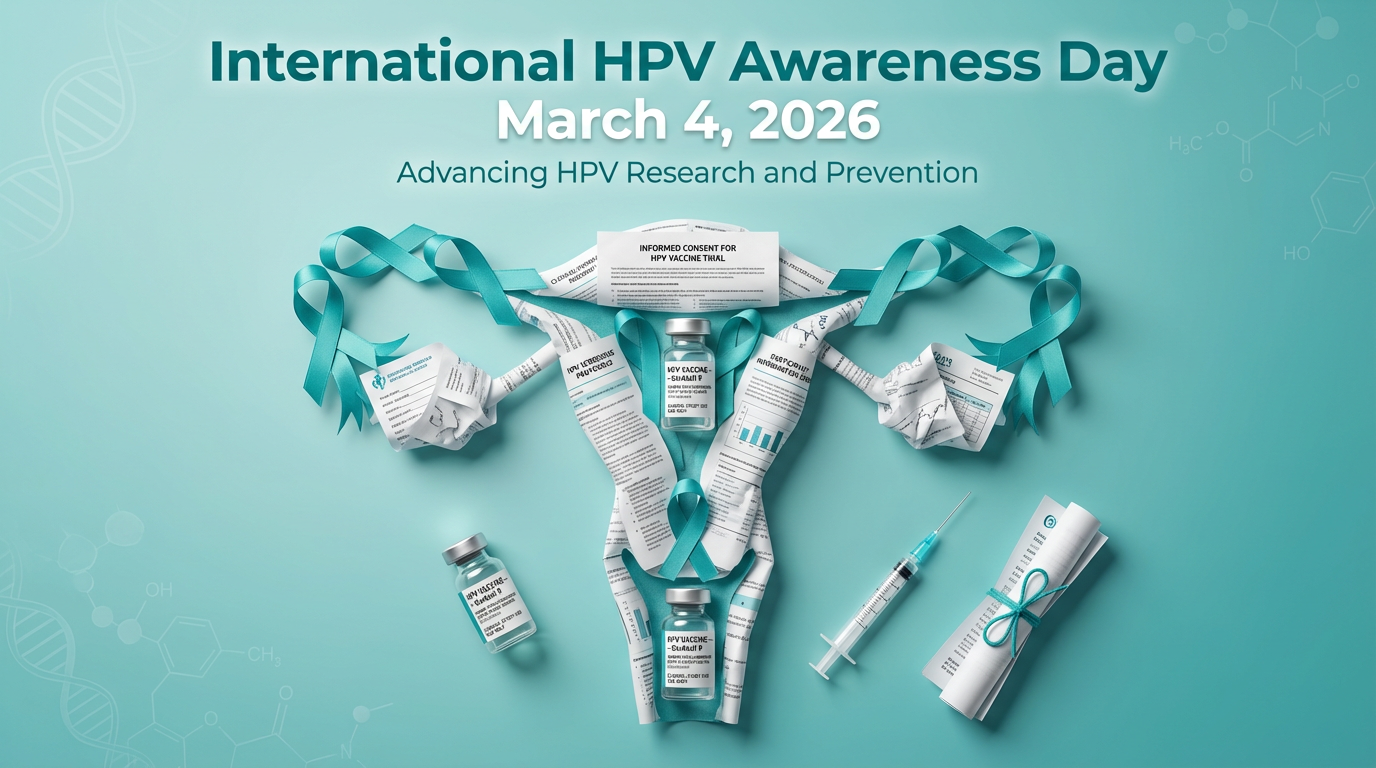
    HPV clinical trials 2026 are advancing therapeutic vaccine innovation, cervical cancer immunotherapy, and precision treatment strategies for people facing HPV-related cancers.

    On March 4, International HPV Awareness Day, a mother sits beside her daughter in an oncology clinic, quietly searching for answers. The diagnosis is HPV-related cervical cancer. According to the American Cancer Society, approximately 13,000 women in the United States are diagnosed with cervical cancer each year. Globally, HPV is responsible for nearly all cervical cancer cases, as reported by the World Health Organization.

    International HPV Awareness Day is led by the International Papillomavirus Society and supported by awareness toolkits from the Centers for Disease Control and Prevention. While vaccination and screening campaigns remain essential, many families today are focused on something more immediate: access to active HPV clinical trials and cervical cancer research studies exploring new treatment possibilities.

    Backed by research leadership from the National Cancer Institute, therapeutic HPV vaccine development and HPV immunotherapy trials are expanding rapidly. All of the studies below are verified in the national clinical trial registry and were active or recruiting at the time of publication.

    These trials are not guaranteed treatment options. Participation always involves potential risks and benefits that must be reviewed carefully with your oncology team.

    Below are five important HPV clinical trials you should know about this International HPV Awareness Day.

    TRIAL 1 – Lenti-HPV-07 Therapeutic Vaccine Study

    Can the Immune System Be Trained to Target HPV-Driven Cancer Cells?

    Sponsor: Theravectys S.A.

    What It Tests:
    A lentiviral therapeutic HPV vaccine designed to stimulate T-cells to recognize and attack tumor cells that express HPV proteins.

    Who It’s For:
    Patients diagnosed with HPV-positive cervical cancer or HPV-related oropharyngeal cancers.

    Locations:
    Four research sites across academic cancer centers.

    Lenti-HPV-07 is different from preventive HPV vaccines. Instead of preventing infection, it is designed to treat cancers already caused by HPV. The therapy uses a viral vector platform to teach the immune system to recognize specific HPV proteins that are present in tumor cells.

    Researchers are enrolling 72 participants in this Phase 1/2a trial to study safety, immune activation, and early signals of tumor response.

    Why It Stands Out

    • Uses targeted immune activation against HPV oncogenic proteins
    • Designed specifically for HPV-driven cancers
    • Combines early safety evaluation with immune response monitoring

    Therapeutic HPV vaccines are considered one of the most promising directions in HPV immunotherapy research.

    What It Could Mean for Patients

    For patients with HPV-related cancers, this study represents an investigational treatment approach that aims to train the immune system to recognize and attack cancer cells more effectively.

    TRIAL 2 – TI-0093 Therapeutic Tumor Vaccine Study

    Could Early-Stage HPV Immunotherapy Help Treat Advanced Tumors?

    Sponsor: Therorna

    What It Tests:
    A Phase 1 dose-escalation therapeutic vaccine targeting HPV-16 driven tumors.

    Who It’s For:
    Patients with recurrent or metastatic HPV-16 positive solid tumors whose disease has progressed despite prior treatments.

    Locations:
    One research center participating in this early-phase trial.

    TI-0093 is part of a growing class of therapeutic HPV vaccine approaches designed to activate immune responses against tumors caused by HPV-16.

    In dose-escalation studies, researchers carefully increase the treatment dose in small groups of participants to monitor safety and determine the most appropriate dosage for future trials.

    Although Phase 1 trials primarily focus on safety, they play a crucial role in advancing HPV treatment research studies toward larger clinical investigations.

    Why It Stands Out

    • Focuses on HPV-16, the most common cancer-causing HPV type
    • Early research into tumor-targeted vaccine technology
    • Helps establish safety and dosing for future trials

    What It Could Mean for Patients

    For individuals with advanced HPV-related cancers who have limited treatment options, early-phase trials like this one may contribute to the development of new immunotherapy strategies.

    TRIAL 3 – PRGN-2009 + Pembrolizumab Combination Study

    Can a Therapeutic Vaccine Restore Immunotherapy Response?

    Sponsor: Precigen, Inc.

    What It Tests:
    PRGN-2009 therapeutic HPV vaccine combined with pembrolizumab compared with pembrolizumab alone.

    Who It’s For:
    Patients with recurrent or metastatic cervical cancer whose disease has stopped responding to pembrolizumab.

    Locations:
    Three clinical research sites in the United States.

    Pembrolizumab is a commonly used immunotherapy for several cancers, including cervical cancer. However, some tumors eventually become resistant to treatment.

    The PRGN-2009 cervical cancer study investigates whether adding a therapeutic HPV vaccine can help re-activate the immune system and restore anti-tumor responses.

    By combining checkpoint inhibition with targeted immune stimulation, researchers hope to improve outcomes for patients with treatment-resistant disease.

    Why It Stands Out

    • Explores combination immunotherapy strategies
    • Targets immune resistance in cervical cancer
    • Focuses on patients with limited treatment alternatives

    What It Could Mean for Patients

    If the vaccine successfully enhances immune response, this approach could expand future treatment options for recurrent or metastatic cervical cancer.

    TRIAL 4 – Reduced-Dose Radiotherapy for HPV-Positive Oropharyngeal Cancer

    Could Lower Radiation Doses Maintain Effectiveness While Reducing Side Effects?

    Sponsor: Georgetown University

    What It Tests:
    A de-escalation radiation strategy that uses lower radiation doses for early-stage HPV-positive oropharyngeal cancer.

    Who It’s For:
    Patients diagnosed with Stage I or Stage II HPV-positive oropharyngeal cancer.

    Locations:
    Two academic cancer research centers.

    HPV-related head and neck cancers often respond very well to treatment. Because of this, researchers are studying whether full-intensity radiation is always necessary.

    This Phase 2 study evaluates whether reduced radiation doses can maintain tumor control while reducing long-term side effects such as difficulty swallowing or speech problems.

    Because treatment de-escalation is still investigational and not yet standard of care, careful monitoring is central to this research.

    Why It Stands Out

    • Focuses on preserving quality of life
    • Investigates reduced treatment intensity
    • Evaluates both survival outcomes and functional health

    What It Could Mean for Patients

    If successful, this approach could help some patients receive effective treatment with fewer long-term complications.

    TRIAL 5 – BNT113 mRNA Therapeutic Vaccine Global Study

    Could mRNA Technology Improve HPV-Related Cancer Treatment?

    Sponsor: BioNTech SE

    What It Tests:
    An mRNA-based therapeutic HPV vaccine called BNT113 combined with pembrolizumab.

    Who It’s For:
    Patients with unresectable recurrent or metastatic HPV-16 positive head and neck squamous cell carcinoma.

    Locations:
    Approximately 189 research sites worldwide.

    BNT113 uses mRNA technology designed to instruct the immune system to recognize HPV-related tumor antigens.

    In this global Phase 2/3 trial, researchers are enrolling approximately 350 participants to compare pembrolizumab alone versus the combination of pembrolizumab and BNT113.

    The study focuses on patients whose tumors express PD-L1, a protein often linked to immunotherapy response.

    Why It Stands Out

    • One of the largest ongoing HPV immunotherapy trials
    • Uses mRNA vaccine technology
    • Global study across nearly 200 research sites

    What It Could Mean for Patients

    If the combination therapy improves outcomes, it may influence future treatment strategies for HPV-related head and neck cancers.

    How to Find HPV Clinical Trials Near Me

    People often begin by searching “HPV clinical trials near me” or “HPV vaccine clinical trials 2026” and then struggle to interpret complex eligibility criteria and medical terminology.

    While the national registry provides verified listings, navigating phases, eligibility rules, and geographic availability can feel overwhelming.

    That is where DecenTrialz helps simplify discovery. Through its structured listing of active HPV clinical trials by condition, individuals can explore relevant studies in a clearer and more accessible way.

    The platform works alongside sponsors and research sites to improve transparency and streamline trial visibility.

    It also supports CRO partners, healthcare professionals, and advocacy groups that help connect patients to responsible clinical research opportunities.

    A Community-Focused Close This International HPV Awareness Day

    Help your community discover and apply for active HPV trials through DecenTrialz. Explore HPV Trials.

    HPV clinical trials 2026 represent careful scientific progress, collaboration, and possibility for families navigating HPV-related cancers. If you or someone you love is facing an HPV-associated diagnosis, this International HPV Awareness Day can be a meaningful moment to speak with your care team and explore whether HPV clinical trials may be appropriate.

  • World Obesity Day 2026: 5 Clinical Trials That Could Change Weight Loss Treatment Near You

    World Obesity Day 2026: 5 Clinical Trials That Could Change Weight Loss Treatment Near You

    A Different Kind of Conversation on World Obesity Day 2026

    James sat quietly in his doctor’s office as his physician reviewed his latest lab results. His blood pressure had increased again. His fasting glucose was now in the prediabetes range. When the doctor gently explained that his BMI placed him in the obesity category, James felt the familiar mix of frustration and exhaustion. He had tried calorie-counting apps, meal plans, gym memberships, and trending supplements. He always started motivated. The results just never seemed to last.

    Then his doctor asked something unexpected: “Have you considered looking into weight loss clinical trials near me?”

    James had never thought of himself as someone who would join research. But this did not sound like experimentation. It sounded structured. Supervised. Medical.

    On March 4, 2026, World Obesity Day once again brings global attention to obesity as a chronic, complex disease. In the United States, research organizations and clinical experts are using this awareness day to encourage education, reduce stigma, and expand access to treatment options.

    According to the CDC, 41.9% of U.S. adults are living with obesity. That statistic represents millions of people facing increased risk of heart disease, stroke, type 2 diabetes, sleep apnea, and certain cancers. The World Health Organization recognizes obesity as a major public health challenge requiring long-term, evidence-based solutions. Meanwhile, the National Institute of Diabetes and Digestive and Kidney Diseases continues to fund research focused on metabolic health and innovative treatment strategies.

    For patients searching for weight loss clinical trials near me, World Obesity Day 2026 is not just symbolic. It is an opportunity to explore medically supervised research happening in communities across the country.

    How Weight Loss Clinical Trials Near Me Are Advancing Obesity Treatment

    Obesity is not simply about calories or willpower. It involves hormonal signaling, appetite regulation, insulin resistance, inflammation, and genetic factors that interact in complex ways.

    The American Society for Metabolic and Bariatric Surgery reports rising demand for both surgical and non-surgical treatment options as evidence evolves. At the same time, modern obesity research increasingly focuses on metabolic pathways rather than short-term weight loss alone.

    GLP-1 medications, dual agonists, cardiovascular outcome trials, and structured lifestyle interventions are being studied not only for their ability to reduce body weight but also for their impact on heart health, blood sugar control, and long-term disease risk.

    When you search for weight loss clinical trials near me, you are exploring federally regulated, physician-supervised studies listed in the national clinical trial registry. These studies follow strict ethical guidelines, require informed consent, and prioritize participant safety.

    Below are five current trials that reflect where obesity research is heading in 2026.

    TRIAL 1 – VK2735 Phase 3 Study

    A Dual Hormone Approach to Weight Management

    Sponsor: Viking Therapeutics
    What It Tests: VK2735, a dual GLP-1 and GIP receptor agonist delivered by subcutaneous injection
    Who It’s For: Adults with BMI over 30, or BMI over 27 with weight-related conditions such as hypertension or prediabetes
    Locations: 134 research sites across the United States, including cities such as Birmingham, Lexington, and Baton Rouge

    VK2735 represents one of the largest obesity research efforts currently underway, enrolling approximately 1,100 participants nationwide. Earlier phase studies demonstrated meaningful weight reduction, leading researchers to expand the investigation into a large-scale Phase 3 program.

    By targeting both hunger signals and insulin response pathways, the medication is designed to address appetite control and metabolic regulation simultaneously. This dual mechanism may offer benefits for individuals who did not achieve sufficient results with earlier single-pathway treatments.

    Why It Stands Out

    Focuses on dual hormone signaling rather than a single pathway
    Large national site availability increases accessibility
    Late-stage Phase 3 evaluation reflects advanced research progress

    What It Could Mean for Patients

    For individuals searching weight loss clinical trials near me, this study may provide access to a late-stage investigational therapy under physician supervision, with regular safety monitoring and structured follow-up.

    TRIAL 2 – Lilly GLP-1 Cardiovascular Master Protocol

    Studying Weight Loss and Heart Protection Together

    Sponsor: Eli Lilly
    What It Tests: Multiple GLP-1–based therapies and their impact on cardiovascular outcomes
    Who It’s For: Adults with obesity and cardiometabolic risk factors
    Locations: Multiple research centers across the United States

    Rather than focusing only on pounds lost, this research examines whether GLP-1 medications can reduce heart attacks, strokes, and cardiovascular-related deaths in people living with obesity.

    The master protocol design allows researchers to evaluate multiple GLP-1 formulations within a coordinated framework. This structure improves efficiency and accelerates the comparison of safety and effectiveness outcomes across therapies.

    Why It Stands Out

    Prioritizes heart health in addition to weight reduction
    Evaluates multiple medications within one coordinated study
    Addresses obesity as a systemic cardiovascular risk factor

    What It Could Mean for Patients

    For patients searching for weight loss clinical trials near me who also have high blood pressure, cholesterol concerns, or diabetes risk, this study reflects how obesity treatment is becoming more integrated with long-term heart health management.

    TRIAL 3 – JOULE Study: Semaglutide for Adolescents

    Combining Medication with Structured Lifestyle Support

    Sponsor: McMaster University
    What It Tests: Semaglutide combined with structured lifestyle counseling
    Who It’s For: Adolescents living with obesity
    Locations: Single specialized research site

    The JOULE study addresses a critical gap in obesity research by focusing specifically on adolescents. This Phase 4 trial evaluates how semaglutide performs in real-world pediatric settings when combined with lifestyle education and behavioral support.

    Semaglutide works by increasing satiety and slowing gastric emptying. When paired with structured counseling and family involvement, the study aims to understand how medication and lifestyle change work together over time.

    Why It Stands Out

    Focuses on teens rather than adults
    Integrates pharmacologic therapy with long-term behavioral education
    Generates practical guidance for pediatric care

    What It Could Mean for Families

    For families searching weight loss clinical trials near me for adolescents, this study represents a medically supervised, evidence-based approach grounded in clinical research rather than online weight-loss trends.

    TRIAL 4 – Metabolic Syndrome Lifestyle Plus Drug Intervention

    Treating Obesity Within the Broader Metabolic Picture

    Sponsor: National Health Research Institutes
    What It Tests: Intensive lifestyle intervention combined with pharmacologic therapy
    Who It’s For: Adults diagnosed with metabolic syndrome
    Locations: Controlled 200-participant research program

    Metabolic syndrome includes abdominal obesity, elevated blood sugar, high blood pressure, and abnormal cholesterol levels. This study evaluates whether coordinated intervention can improve multiple cardiometabolic risk factors simultaneously rather than addressing weight alone.

    Researchers are studying how structured nutrition guidance, physical activity, and medication support interact to improve overall metabolic health.

    Why It Stands Out

    Targets the full metabolic syndrome cluster
    Focuses on comprehensive risk reduction
    Combines lifestyle and medication within a structured framework

    What It Could Mean for Patients

    For individuals searching weight loss clinical trials near me who are concerned about prediabetes or cardiovascular disease, this holistic approach may align more closely with long-term health priorities.

    TRIAL 5 – Mediterranean Diet Plus Artichoke Bioactive Study

    Evaluating Food-Based Intervention Under Clinical Supervision

    Sponsor: Clinica Universidad de Navarra
    What It Tests: Mediterranean dietary pattern enhanced with artichoke-derived bioactive compounds
    Who It’s For: Adults at risk for obesity-related type 2 diabetes
    Locations: 150-participant structured clinical study

    This research explores whether plant-based polyphenols from artichoke leaves can improve insulin sensitivity and fat metabolism when combined with a traditional Mediterranean dietary pattern.

    Rather than testing an injectable therapy, this study evaluates a structured nutritional approach within a controlled research environment. Participants receive guidance and monitoring as part of the protocol.

    Why It Stands Out

    Nutrition-centered research design
    Examines natural bioactive compounds
    Provides medically supervised dietary intervention

    What It Could Mean for Patients

    For individuals searching weight loss clinical trials near me but hesitant about medication-based treatments, this study reflects growing interest in scientifically evaluated nutrition strategies.

    How DecenTrialz Helps You Find Weight Loss Clinical Trials Near You

    Searching for reliable obesity research opportunities can feel overwhelming, especially for first-time participants unfamiliar with eligibility criteria or medical terminology.

    DecenTrialz provides a patient-focused platform designed to simplify clinical trial discovery. Users can explore active obesity and metabolic studies by condition and geographic location in a clear, structured format.

    The platform helps individuals:

    Identify studies recruiting near their city
    Review common eligibility requirements
    Understand what screening visits involve
    Learn how informed consent works
    Access educational resources explaining clinical research in plain language

    DecenTrialz also collaborates with sponsors, research sites, and healthcare professionals to promote responsible patient engagement and transparent study participation.

    For individuals actively searching for weight loss clinical trials near me, having a centralized, patient-friendly discovery platform can reduce confusion and provide clarity before reaching out to research centers.

    World Obesity Day 2026: Advancing Evidence-Based Care

    World Obesity Day 2026 emphasizes access, dignity, and science-driven progress.

    With 41.9 percent of U.S. adults living with obesity, structured and medically supervised treatment options remain essential. Organizations such as the CDC, the World Health Organization, the National Institute of Diabetes and Digestive and Kidney Diseases, and the American Society for Metabolic and Bariatric Surgery all underscore the importance of long-term metabolic health strategies.

    Clinical research continues to play a central role in advancing obesity treatment from short-term weight loss toward comprehensive metabolic care.

    For individuals exploring weight loss clinical trials near me, these studies reflect how obesity management is evolving, grounded in safety oversight, scientific methodology, and long-term health improvement.

  • Rare Disease Clinical Trials: Why Rare Disease Day Strengthens Global Research Momentum

    Rare Disease Clinical Trials: Why Rare Disease Day Strengthens Global Research Momentum

    Rare disease clinical trials are essential to advancing treatment options for conditions that affect small but globally significant patient populations. Although each individual condition impacts a limited number of people, more than 7,000 rare diseases have been identified worldwide Rare Disease Day, collectively affecting hundreds of millions of individuals and families.

    Rare Disease Day, observed annually on February 28 (or 29 in leap years), serves as a global awareness movement led internationally by EURORDIS. The campaign highlights the urgency of research investment, earlier diagnosis, and equitable access to treatment. The 2026 theme, “More Than You Can Imagine,” reflects the complexity and cumulative impact of rare diseases beyond what prevalence statistics alone suggest.

    For patients, advocacy leaders, sponsors, CROs, and research sites, Rare Disease Day awareness is more than symbolic. It directly influences funding decisions, regulatory focus, and the operational feasibility of rare disease clinical trials.

    What Rare Disease Day Represents

    Rare Disease Day awareness brings coordinated global attention to thousands of underrepresented conditions. It unites patient organizations, policymakers, healthcare providers, and researchers around a shared objective: strengthening rare disease research ecosystems.

    Because rare conditions are individually uncommon, they often receive limited funding and fragmented attention. Awareness initiatives improve:

    • Physician education and diagnostic accuracy
    • Research prioritization and policy engagement
    • International collaboration across institutions
    • Participation in global patient registries

    The National Institutes of Health (NIH) supports rare disease research initiatives and infrastructure development NIH Rare Diseases Research, reinforcing the need for long-term scientific coordination.

    In rare disease clinical trials, awareness frequently determines whether research progresses from concept to active enrollment.

    Why Rare Disease Clinical Trials Are Uniquely Complex

    Rare disease clinical trials operate within structural constraints that differ significantly from large-scale therapeutic studies.

    Small patient populations limit statistical power and require multinational recruitment strategies. Geographic dispersion increases regulatory coordination complexity, translation requirements, and logistical planning.

    Diagnostic delays further reduce eligible participant pools. Many patients receive confirmed diagnoses only after disease progression, narrowing intervention windows.

    Data scarcity presents another major challenge. Ultra-rare disease trials often lack comprehensive natural history datasets, making endpoint validation and biomarker development more difficult.

    Importantly, more than 95% of rare diseases currently lack an approved treatment NIH Rare Diseases Research, This statistic underscores the urgency of orphan drug development pathways.

    Regulatory incentives such as the FDA Orphan Drug Program encourage innovation while maintaining rigorous safety and efficacy standards.

    Rare disease clinical trials therefore require adaptive trial design, advanced statistical planning, and sustained global coordination.

    Rare Disease Research Challenges Sponsors and Sites Face

    Rare disease research challenges extend beyond recruitment and into scientific, regulatory, and ethical dimensions.

    Rare disease patient recruitment remains one of the most significant barriers. Many individuals are unaware that relevant rare disease clinical trials exist. Others lack access to specialized research centers with disease-specific expertise.

    Limited biomarker validation increases protocol complexity. Regulatory pathways may require surrogate endpoints or adaptive methodologies, demanding detailed documentation and oversight.

    Ethical considerations are amplified within small patient communities, where protecting privacy and managing expectations require careful governance.

    Sponsors and research sites must balance urgency with methodological rigor, particularly when limited therapeutic alternatives exist.

    Why Visibility and Awareness Are Critical

    Rare disease clinical trials depend on discoverability.

    Patients frequently search online using phrases such as “rare disease clinical trials near me” or seek guidance on how to find rare disease clinical trials aligned with their diagnosis. Fragmented information ecosystems can delay enrollment and prolong development timelines.

    Public research databases and registry programs supported by the NIH improve transparency and coordination.

    Structured digital discovery tools, such as Condition-Based Trial Listings, demonstrate how centralized visibility supports rare disease patient recruitment and improves awareness across sponsors, advocacy groups, and research networks.

    Improved visibility reduces enrollment delays and strengthens diversity within rare disease clinical trials.

    Advocacy Groups and Community Trust

    Patient advocacy rare diseases organizations are often the most trusted information source for affected families.

    Advocacy groups coordinate education initiatives, support peer networks, and facilitate registry participation. Their involvement strengthens informed consent quality and enhances communication transparency between sponsors and communities.

    Community-driven engagement improves feasibility forecasting and supports global rare disease registry initiatives.

    Trust remains foundational to the long-term success of rare disease clinical trials.

    Digital Platforms and Trial Discovery

    Digital infrastructure increasingly supports decentralized rare disease trials and cross-border coordination.

    Centralized platforms enable condition-based filtering, structured eligibility review, and clearer trial summaries.

    Sponsors, CRO partners, and advocacy organizations benefit from integrated systems that reduce fragmentation and improve operational transparency.

    Digital systems do not replace regulatory oversight. Instead, they enhance discoverability, streamline recruitment pathways, and strengthen coordination within rare disease clinical trials.

    Moving Rare Disease Clinical Trials Forward

    Rare disease clinical trials require sustained research funding, international data collaboration, and improved platform visibility.

    Long-term investment strengthens orphan drug development pipelines. Registry expansion improves endpoint validation. Cross-border regulatory alignment supports scalable innovation.

    Rare Disease Day awareness reinforces a central reality: progress depends on coordinated commitment across patients, advocacy networks, sponsors, regulators, and research institutions.

    When awareness, funding, governance, and structured digital infrastructure align, rare disease clinical trials move from limited opportunity to measurable advancement.

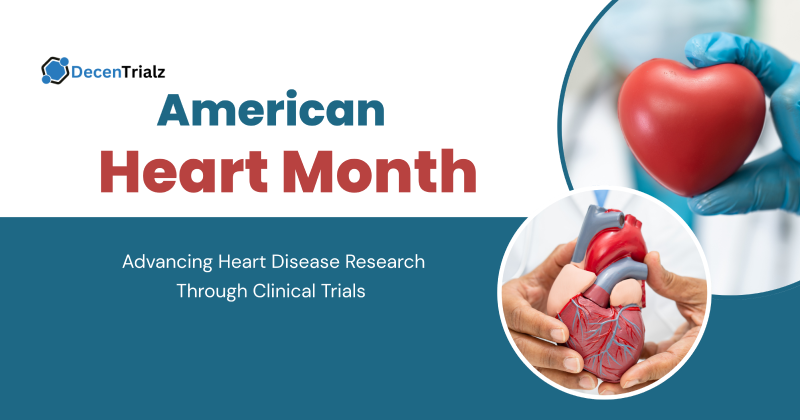
  • Clinical Trial Awareness: 3 Active Clinical Trials Advancing Heart Disease Research

    Clinical Trial Awareness: 3 Active Clinical Trials Advancing Heart Disease Research

    American Heart Month highlights the ongoing impact of heart disease and the importance of research efforts that continue to improve prevention, diagnosis, and treatment. During this awareness period, attention is drawn not only to heart-healthy habits, but also to the clinical research studies that help strengthen cardiovascular care for people living with heart disease.

    Heart disease affects millions of individuals and families each year. While treatment options and medical technologies have improved, many people continue to live with chronic cardiovascular conditions, including heart failure and long-term complications that require ongoing care.

    Every advancement in cardiovascular care begins with a clinical study. These studies follow strict safety standards, ethical guidelines, and informed consent processes. Participation is always voluntary. By understanding how clinical research works, patients and caregivers can feel more confident when reviewing available study information.

    American Heart Month and the Ongoing Impact of Heart Disease

    American Heart Month exists to promote awareness of cardiovascular disease, encourage prevention, and emphasize the importance of continued research. Heart disease affects individuals across all age groups and backgrounds, often requiring long-term management and ongoing medical care.

    According to the American Heart Association, heart disease remains one of the leading causes of death and disability. Continued research plays an important role in improving understanding of heart conditions and supporting the development of better prevention, diagnosis, and treatment strategies over time.

    Below, we highlight three active heart disease clinical trials and explain the purpose of each study in clear, simple terms.

    1. Understanding Heart Changes in People Living With Heart failure with preserved ejection fraction (HFpEF)

    Study Name:
    A Research Study Comparing Different Doses of CDR132L With Placebo on the Structure and Function of the Heart in People With Heart Failure With Preserved Ejection Fraction and Left Ventricular Hypertrophy

    Heart failure with preserved ejection fraction (HFpEF) occurs when the heart’s pumping ability remains normal, but the heart muscle becomes stiff and less able to relax and fill properly. This can lead to symptoms such as shortness of breath, fatigue, and reduced physical activity. Left ventricular hypertrophy, or thickening of the heart muscle, is commonly associated with this condition.

    The main purpose of this study is to better understand how changes in heart structure and function affect people living with HFpEF. Researchers are studying whether different doses of an investigational therapy, CDR132L, may influence these underlying heart changes.

    Rather than focusing only on symptoms, this trial evaluates measurable changes in the heart itself, such as muscle thickness and functional performance. Comparing different dose levels helps researchers understand how the therapy interacts with the heart over time.

    Participants receive either the investigational therapy or a placebo, and researchers closely monitor heart structure, function, and overall safety throughout the study.

    Why this matters
    HFpEF currently has limited targeted treatment options. Research focused on heart structure and function may help guide future therapies for people living with this form of heart failure.

    Locations
    This study is currently recruiting at 97 research locations.

    Learn more about the study and check your eligibility here.

    2. Studying Inflammation in Heart Failure

    Study Name:
    A Research Study Looking Into How Ziltivekimab Works Compared to Placebo in Participants With Heart Failure and Inflammation

    Inflammation is increasingly recognized as an important contributor to the progression of heart failure. Elevated inflammatory markers have been linked to worsening symptoms, increased hospitalizations, and poorer long-term outcomes.

    The main purpose of this study is to understand whether targeting inflammation may affect heart failure progression. Researchers are evaluating an investigational medicine called Ziltivekimab and comparing it with placebo in people who have heart failure and evidence of inflammation.

    Using a placebo-controlled design allows researchers to better determine whether observed effects are related to the study medicine rather than natural changes in the disease. This approach helps ensure reliable and meaningful results.

    Participants continue to receive standard heart failure care while researchers monitor inflammatory markers, heart-related outcomes, and overall safety.

    Why this matters
    Understanding the role of inflammation may help expand future heart failure treatment approaches beyond traditional therapies focused only on heart mechanics.

    Locations
    This study is currently recruiting at 236 research locations.

    Find additional details about this study and explore eligibility information here.

    3. Advancing Cardiac Imaging After Heart Attack

    Study Name:
    Heart Attack Research Program – Imaging Study

    After a heart attack, cardiac imaging plays a critical role in understanding how the heart has been affected and how it recovers over time. Advanced imaging techniques allow clinicians to examine heart muscle damage, blood flow, and functional changes in detail.

    The main purpose of this study is to collect imaging data that helps researchers better understand recovery patterns following myocardial infarction. By analyzing images taken at different time points, researchers can identify factors associated with recovery and long-term outcomes.

    This study does not test a new medication. Instead, it focuses on improving knowledge about heart healing and long-term monitoring after a heart attack.

    Participants continue with their usual care while imaging data is collected and analyzed.

    Why this matters
    Improved imaging research can help clinicians monitor recovery more effectively and tailor follow-up care for people recovering from heart attacks.

    Locations
    This study is currently recruiting at 19 research locations.

    Review study information and learn how participants can take part.

    How Clinical Studies Help Improve Heart Disease Care

    Heart disease clinical trials support progress across multiple areas, including heart failure treatment development, inflammation research, and cardiac imaging. Each study helps answer specific questions that contribute to improved cardiovascular care over time.

    Participation in clinical research is always voluntary. Eligibility depends on factors such as medical history, current condition, and previous treatments. Individuals considering research opportunities are encouraged to discuss them with their cardiologist or healthcare provider.

    For those who wish to explore publicly available studies, condition-based clinical trial listings can help organize heart disease clinical trials in a structured way. Many cardiovascular research efforts are supported through national research initiatives such as those led by the National Institutes of Health.

  • Clinical Trial Awareness: 5 Active Cancer Clinical Trials Advancing Cancer Care

    Clinical Trial Awareness: 5 Active Cancer Clinical Trials Advancing Cancer Care

    Cancer clinical trials continue to improve how cancer is treated, managed, and understood across many cancer types. On World Cancer Day, global awareness efforts highlight not only prevention and early detection, but also the research studies that help strengthen cancer care for people living with the disease.

    Cancer affects millions of individuals and families every year. While treatment options have improved significantly, there is still a need for safer therapies, better supportive care, and new treatment approaches for advanced cancers. Clinical research helps answer these important questions and supports steady progress in oncology.

    Every improvement in cancer care begins with a clinical study. These studies follow strict safety standards, ethical guidelines, and informed consent processes. Participation is always voluntary. By understanding how research works, patients and caregivers can feel more confident when reviewing available options.

    Below, we highlight five active cancer clinical trials and explain the purpose of each study in clear, simple terms.

    1. Improving Balance, Strength, and Physical Function in Older Adults With Cancer

    Study Name: COBRA Cancer, Older Adults, Balance and Resistance Activities

    Cancer treatment can sometimes lead to weakness, fatigue, and balance issues, especially in older adults. This study evaluates whether a structured strength and balance exercise program can safely improve physical function in older adults living with cancer.

    The main purpose of this trial is to see whether guided resistance and balance exercises can help reduce fall risk and improve daily mobility. Researchers are also studying whether this type of digital exercise program is practical and safe during cancer treatment.

    Participants follow a guided program over several weeks, and researchers measure changes in strength, balance, and overall physical ability.

    Why this matters
    Improving balance and strength may help older adults maintain independence and feel more confident in their daily activities.

    Locations
    This study is currently recruiting at 6 research locations in the United States.

    Learn more about the study and check your eligibility here.

    2. Evaluating Long Term Targeted Treatment for Solid Tumors

    Study Name: A Study to Test Long Term Treatment With Brigimadlin in People With Solid Tumours

    This study focuses on people with solid tumors who previously received a medicine called brigimadlin in an earlier clinical trial. Researchers are continuing to evaluate this treatment to better understand its long term safety and effectiveness.

    The main purpose of this study is to determine whether brigimadlin remains safe when taken over an extended period. Researchers are also assessing whether continued treatment helps keep cancer stable or under control.

    Participants continue treatment while doctors monitor their health and track how their cancer responds over time.

    Why this matters
    Long term safety data is essential before a treatment can become widely available for broader patient use.

    Locations
    This study is currently recruiting at 50 research locations internationally.

    Find additional details about this study and explore eligibility information here.

    3. Testing a New Early Phase Treatment for Advanced Solid Tumors

    Study Name: A Phase 1 and 2a Study of BMS 986517 in Participants With Advanced Solid Tumors

    This study is testing a new investigational medicine in people whose solid tumors have progressed despite standard treatments.

    The main purpose of this trial is to determine the safest dose of this new medicine and understand how the body responds to it. Researchers are also looking for early signs that the treatment may slow tumor growth.

    Because this is an early phase study, safety monitoring is very detailed and ongoing.

    Why this matters
    Early phase cancer clinical trials are the first step in developing new treatment options for future patients.

    Locations
    This study is currently recruiting at 19 research locations.

    Review study information and learn how participants can take part.

    4. Understanding Long Term Outcomes From Radiation Therapy

    Study Name: The Radiation Oncology Registry and Biosample Repository

    This study collects information from individuals who are receiving radiation therapy as part of their cancer care. It does not test a new treatment. Instead, it gathers long term data to better understand outcomes.

    The main purpose of this registry is to track how radiation therapy affects patients over time. Researchers are studying side effects, treatment patterns, and long term results to help improve future radiation care.

    Participants continue their planned radiation therapy while researchers collect treatment information.

    Why this matters
    Real world data from registry studies helps doctors refine treatment approaches and improve patient safety.

    Locations
    This study is currently recruiting at 4 research locations in the United States.

    Explore this study further and understand the next steps for participation.

    5. Evaluating a New Investigational Medicine in Advanced Solid Tumors

    Study Name: A Phase 1 Study of NM6603 in Advanced Solid Tumors

    This Phase 1 study is testing a new investigational medicine called NM6603 in people with advanced solid tumors.

    The main purpose of this study is to determine the safest dose and understand possible side effects. Researchers are also looking for early signals that the medicine may affect tumor growth.

    Early stage trials focus on safety first before moving into larger studies.

    Why this matters
    Every new cancer therapy begins with early phase cancer clinical trials that establish safety and guide future development.

    Locations
    This study is currently recruiting at 4 research locations in the United States.

    Access more information about this study and review participation criteria.

    How Clinical Studies Help Improve Cancer Care

    Cancer clinical trials support progress across supportive care, targeted treatments, early phase drug development, and long term outcome research. Each study helps answer specific questions that strengthen how cancer is treated and managed.

    Participation is always voluntary. Eligibility depends on factors such as cancer type, stage, previous treatment, and overall health. Individuals interested in exploring research options should discuss them with their healthcare provider.

    Resources such as clinical trial listings by medical condition can help patients explore publicly available studies in a structured way. Educational insights and cancer research awareness articles are also available through the DecenTrialz blog. Dedicated sections provide resources for advocacy groups and information for healthcare professionals. Those who would like to learn more about the organization can visit the About page or contact our team for general questions.

    Moving Cancer Research Forward on World Cancer Day

    World Cancer Day emphasizes prevention, awareness, access to care, and continued research. Cancer clinical trials remain essential in developing safer treatments, improving supportive care, and expanding understanding of how cancer behaves.

    By staying informed and supporting research awareness, patients and communities contribute to the continued advancement of cancer care for future generations.

  • World Cancer Day: Beyond Awareness and Into Action

    World Cancer Day: Beyond Awareness and Into Action

    What is World Cancer Day?

    Each year on February 4, World Cancer Day brings global attention to one of the most significant health challenges of our time. It is led by the Union for International Cancer Control and supported by the World Health Organization. The day serves as a coordinated global initiative to raise awareness, encourage prevention, improve access to care, and support ongoing cancer research.

    Cancer affects millions of individuals and families every year across every region of the world. It is not limited by geography, income level, or background. Because of this wide impact, sustained global attention is necessary.

    World Cancer Day brings governments, healthcare institutions, advocacy organizations, and communities together to strengthen cancer prevention strategies, improve early detection, and expand access to quality treatment. It moves the conversation from recognition to responsibility.

    The Theme: United by Unique

    The official campaign theme for 2025 to 2027 is United by Unique.

    This theme reflects an important reality. While cancer connects millions of people globally, no two cancer journeys are exactly the same. Diagnosis, treatment response, support systems, and access to healthcare differ widely.

    United by Unique emphasizes person centered care. It encourages healthcare systems to recognize patients as individuals rather than viewing cancer through a single standardized approach.

    Modern oncology increasingly reflects this shift. Treatment decisions are now guided not only by cancer type but also by individual characteristics and patient preferences. The theme reinforces the idea that progress in cancer care must account for diversity in experience.

    The Global Cancer Burden

    Cancer remains one of the leading causes of death worldwide.

    Recent global estimates indicate:

    • Approximately 20 million new cancer cases are diagnosed each year.
    • Close to 10 million deaths occur annually due to cancer.
    • The number of cases is expected to rise in the coming decades as populations grow and age.

    These figures reinforce why World Cancer Day must extend beyond recognition and translate into measurable action.Cancer affects families, workplaces, and national health systems across continents.

    At the same time, advances in early detection programs, improved treatment approaches, and stronger public health initiatives have contributed to measurable progress in many regions. The global picture includes both challenge and improvement.

    A Brief History

    World Cancer Day was established in 2000 during the World Summit Against Cancer for the New Millennium in Paris. On February 4 of that year, the Charter of Paris Against Cancer formally designated the day as a global observance.

    Since then, participation has expanded to more than 100 countries. Multi year campaign cycles encourage long term commitment rather than a single day of recognition.

    Each theme builds on the previous one, reinforcing prevention, access, and collaboration. United by Unique continues that trajectory by focusing on individual experience within global unity.

    Why World Cancer Day Matters

    World Cancer Day serves as a global platform for strengthening prevention, improving access to care, and advancing coordinated cancer action.

    Encouraging Prevention and Early Detection

    Many cancers are more treatable when identified early. Public awareness about screening programs, vaccination, and lifestyle risk factors supports informed health decisions. Education helps reduce misinformation and promote evidence based understanding.

    Addressing Inequality in Access

    Access to cancer diagnosis and treatment is not equal everywhere. Some communities face delays due to limited healthcare facilities or financial barriers. World Cancer Day highlights these disparities and encourages stronger national cancer strategies.

    Recognizing the Full Impact of Cancer

    Cancer affects more than physical health. It influences family life, employment, financial stability, and long term planning. United by Unique reminds healthcare systems and policymakers to consider these broader effects when designing care programs.

    From Awareness to Action: The Role of Research

    Phase 1 cancer clinical trials are often the first step in testing a new therapy in people. These studies primarily focus on safety and determining appropriate dosage levels before larger trials evaluate how well a treatment works. Careful monitoring and regulatory oversight are built into every stage of the process.

    February 4 is not only a date of recognition. It is a reminder that awareness must lead to prevention, policy, equity, and continued cancer clinical trials that improve care worldwide.

    Finding relevant cancer clinical trials often begins with guidance from a healthcare provider, who can help determine if a study aligns with a patient’s diagnosis and treatment history. In addition to clinical discussions, patients and caregivers can explore trial options through publicly accessible research registries and condition-specific listings that categorize studies by cancer type. These resources provide an easy way to review active trials, eligibility criteria, study locations, and research areas. Platforms like DecenTrialz simplify this process by presenting clinical trials organized by medical condition, allowing users to efficiently navigate available research opportunities in a clear and structured manner.

    Ongoing Challenges

    Despite progress in cancer prevention, treatment, and research, significant challenges continue to affect outcomes worldwide.

    In many regions, cancer is still diagnosed at later stages due to limited screening programs, low awareness, or gaps in primary healthcare access. Differences in healthcare infrastructure mean that access to diagnostic tools and specialized treatment varies widely between countries and communities.

    Financial barriers remain another concern. The cost of cancer care, including diagnostics, treatment, and supportive services, can place a substantial burden on patients and families, particularly in lower income settings.

    Research participation also reflects ongoing imbalance. Certain populations continue to be underrepresented in cancer research, which can limit how well study findings apply across diverse groups.

    Addressing these challenges requires sustained coordination between governments, healthcare systems, advocacy organizations, and research institutions. World Cancer Day provides a global platform to highlight these issues, encourage collaboration, and support long term strategies that move cancer care forward.

    What Beyond Awareness Truly Means

    World Cancer Day is not only about recognizing the scale of cancer. It is about strengthening prevention efforts, improving early detection, expanding equitable access to care, and supporting ongoing research including cancer clinical trials.

    Moving beyond awareness requires coordinated prevention, equitable access to treatment, and continued investment in cancer clinical trials.

    United by Unique captures the balance between collective responsibility and individual experience.

    Beyond awareness means turning knowledge into policy. It means turning data into improved systems. It means turning conversations into measurable progress.

    February 4 is not only a date of recognition. It is a reminder that awareness must lead to prevention, policy, equity, and continued cancer clinical trials that improve care worldwide.

  • Clinical Trial Awareness: 5 Rheumatoid Arthritis Clinical Trials Advancing Treatment Research

    Clinical Trial Awareness: 5 Rheumatoid Arthritis Clinical Trials Advancing Treatment Research

    Rheumatoid arthritis clinical trials help advance research efforts focused on improving care for people living with chronic autoimmune joint disease. Rheumatoid arthritis is a lifelong inflammatory condition in which the immune system mistakenly attacks healthy joint tissue, leading to pain, swelling, stiffness, and gradual joint damage.

    Millions of adults worldwide live with rheumatoid arthritis, managing symptoms that can affect mobility, independence, and overall quality of life. While current treatments can help control inflammation and slow disease progression, responses vary widely from person to person. Many individuals continue to experience disease activity despite available therapies.

    Clinical research supports progress in understanding how rheumatoid arthritis develops, how immune responses differ among patients, and how treatment strategies can be refined over time. Awareness initiatives help bring attention to this ongoing research and the role that carefully designed clinical studies play in improving prevention, monitoring, and long-term care.

    Below, we highlight five active rheumatoid arthritis clinical studies that are currently recruiting participants and contributing to continued advances in autoimmune disease research.

    Rheumatoid Arthritis Awareness and Disease Impact

    Rheumatoid arthritis is an autoimmune disease that primarily affects the joints but can also involve other organs and body systems. Unlike osteoarthritis, which is related to joint wear and tear, rheumatoid arthritis is driven by immune system dysfunction.

    People living with rheumatoid arthritis may experience persistent joint pain and swelling, morning stiffness that interferes with daily routines, reduced range of motion over time, and fatigue that affects physical endurance and daily functioning.

    Raising awareness about rheumatoid arthritis helps individuals recognize symptoms earlier and understand why long-term research remains essential. Rheumatoid arthritis clinical trials contribute to this effort by supporting studies that improve how the disease is understood, monitored, and managed across different stages of life.

    Why Clinical Trials Matter in Autoimmune Research

    Autoimmune diseases present unique challenges because immune activity can vary significantly between individuals and change over time. In rheumatoid arthritis, this variability affects how symptoms progress and how people respond to treatment.

    Clinical trials are important because they study immune-modulating approaches in structured and monitored environments, collect long-term safety and disease-activity data, and help researchers understand why treatment responses differ.

    Through autoimmune disease clinical trials, researchers generate evidence that informs future standards of care while maintaining strict ethical oversight and participant protections.

    Current Directions in Rheumatoid Arthritis Research

    Rheumatoid arthritis research continues to explore multiple scientific pathways aimed at improving disease understanding and management. Current areas of investigation include targeted biologic therapies focused on specific immune signals, small-molecule therapies designed to regulate inflammatory pathways, and research into novel immune mechanisms involved in joint damage.

    These areas of inflammatory arthritis research are examined through carefully designed clinical trials that prioritize safety, accurate data collection, and long-term observation rather than assumed outcomes.

    5 Active Rheumatoid Arthritis Clinical Trials Recruiting Now

    The following rheumatoid arthritis clinical trials are currently recruiting participants. Each study is listed for educational awareness only.

    1. Advancing Immune-Focused Research in Rheumatoid Arthritis

    Managing immune-driven inflammation while preserving normal immune function remains a central challenge in rheumatoid arthritis care. This study focuses on investigational approaches that examine immune activity associated with the disease.

    Researchers are studying how specific immune pathways behave in individuals living with rheumatoid arthritis and how variations in immune signaling relate to inflammation and joint symptoms.

    This research involves close monitoring of immune markers over time, allowing investigators to observe how immune responses fluctuate during different stages of disease activity. Data collected during the study may help clarify how immune imbalance contributes to persistent inflammation and joint damage.

    By examining immune activity in a structured clinical setting, the study also helps refine how immune-related changes are measured and interpreted in future rheumatoid arthritis research.

    Why this matters
    Improving understanding of immune responses may support future research directions and long-term disease-management strategies.

    Locations
    This study is currently recruiting participants at 5 research locations.

    Learn more about the study and review general eligibility considerations.

    2. Studying Disease Progression and Treatment Response

    Rheumatoid arthritis does not progress the same way in every individual. This study examines patterns of disease activity and immune response over time in people receiving monitored care.

    Researchers are collecting clinical and laboratory data to better understand how disease behavior and treatment response vary across participants.

    In addition to symptom tracking, the study evaluates changes in inflammation levels and immune markers to better understand how rheumatoid arthritis evolves over time. This approach helps capture both short-term fluctuations and longer-term disease trends.

    By observing differences in disease progression among participants, the study contributes to a broader understanding of why some individuals experience stable disease while others have ongoing activity despite treatment.

    Why this matters
    Research on disease variability helps inform clinical decision-making and supports the design of future studies.

    Locations
    This study is currently recruiting participants at 14 research locations.

    Find additional details about this study and explore participation criteria.

    3. Exploring Inflammatory Pathways in Autoimmune Joint Disease

    Inflammation is a defining feature of rheumatoid arthritis, but the biological pathways involved are complex. This study focuses on examining inflammatory signaling mechanisms linked to autoimmune joint disease.

    By closely monitoring immune and inflammatory markers, researchers aim to expand understanding of disease activity and progression.

    The study places particular emphasis on how inflammatory signals interact with joint tissue over time. Understanding these interactions may help researchers identify patterns associated with disease flare-ups or periods of relative stability.

    Information gathered through this research may also support the development of more precise methods for assessing inflammation in future clinical studies.

    Why this matters
    Greater insight into inflammatory pathways supports continued advancement in autoimmune research and clinical study development.

    Locations
    This study is currently recruiting participants at 26 research locations.

    Review study information and understand how participants may take part.

    4. Evaluating Immune Regulation Strategies

    Long-term management of rheumatoid arthritis often requires sustained immune regulation. This study examines immune response patterns over time in individuals living with the disease.

    Researchers are evaluating clinical outcomes alongside immune markers to better understand how rheumatoid arthritis evolves during ongoing care.

    The study follows participants over a defined period, allowing investigators to observe how immune regulation changes with disease activity, symptom burden, and clinical monitoring. This long-term perspective helps capture the dynamic nature of autoimmune disease.

    Insights from this research may contribute to improved monitoring approaches and inform how immune regulation is assessed in future rheumatoid arthritis trials.

    Why this matters
    Improved understanding of immune regulation helps refine monitoring approaches and long-term management strategies.

    Locations
    This study is currently recruiting participants at 11 research locations.

    Explore this study further and learn about the next steps for participation.

    5. Understanding Disease Activity and Monitoring Approaches

    Accurate monitoring of disease activity is essential in rheumatoid arthritis care. This study examines how clinical assessments and patient-reported symptoms align with biological markers of disease activity.

    The goal is to support clearer guidance around follow-up care and monitoring strategies.

    Researchers are analyzing how different monitoring tools capture changes in disease activity over time. This includes comparing clinical evaluations with laboratory findings and patient-reported experiences.

    By improving alignment between these measures, the study aims to support more consistent and meaningful disease monitoring in both research and clinical settings.

    Why this matters
    Refined monitoring approaches help balance timely intervention with avoiding unnecessary treatment changes.

    Locations
    This study is currently recruiting participants at 4 research locations.

    Access more information about this study and review eligibility requirements.