
Author: Manjusha Manthapuri

  • How community physicians can expand clinical trial participant pools

    How community physicians can expand clinical trial participant pools

    Recruitment is one of the toughest challenges in clinical research. Many trials face delays or even risk closing early because not enough participants can be enrolled on time. Sponsors often invest heavily in outreach campaigns, yet one of the most effective channels is often overlooked: community physicians.

    These are the doctors patients already know and trust, such as family doctors, specialists, or local clinic providers. By engaging these physicians in the referral process, sponsors and research sites can connect with potential participants sooner, build trust faster, and avoid the common roadblocks that slow down recruitment.

    This article looks at why partnering with local physicians matters, how to make those partnerships work, and the safeguards needed to keep referrals ethical and efficient.

    The Role of Community Physicians in Clinical Trial Recruitment

    Community physicians are in a unique position when it comes to clinical trial referrals. Unlike advertisements or online listings, a recommendation from a trusted doctor carries weight. Patients are more open to listening because the information comes from someone who already understands their health history and personal circumstances.

    These physicians can explain trial opportunities in plain language, answer questions on the spot, and help patients make informed choices. They are also better able to clear up misconceptions and highlight the potential benefits of participation.

    For these reasons, engaging local doctors is one of the most reliable ways to grow participant pools and improve trial diversity.

    Myth: Physicians Are Too Busy or Uninterested in Clinical Trials

    It is often assumed that physicians do not have the time or interest to refer patients to trials. The reality is different. Most doctors are supportive of research but face real barriers, such as:

    • Not knowing about available trials
    • Complicated eligibility criteria
    • Referral processes that take too much time

    These hurdles can be solved. Short trial summaries, clear checklists, and easy referral forms make it much more realistic for physicians to participate. When the process is simple and transparent, doctors are far more willing to get involved.

    Benefits of Partnering with Community Physicians

    1. Broader and more diverse reach

    Doctors serve patients across all walks of life, including rural areas and underrepresented groups. Their involvement helps sponsors meet diversity goals that regulators are increasingly prioritizing.

    2. Higher trust and enrollment rates

    When a physician introduces a trial, patients are more likely to consider it seriously. That trust speeds up decision-making and often leads to higher enrollment rates.

    3. Sustainable referral networks

    Strong sponsor–physician relationships do not just help with one study. They create a long-term pipeline for future trials.

    Example: In one oncology program, collaboration with a regional network of primary care physicians helped the sponsor shorten the time to first-patient enrollment compared to prior site-only recruitment approaches.

    Best Practices for Engaging Physicians

    • Keep information short and clear: Provide one-page trial summaries with eligibility details, patient commitment, and key benefits.
    • Offer educational resources: Short webinars, lunch-and-learn sessions, or quick guides help physicians feel comfortable presenting trial options.
    • Stay responsive: Assign a liaison who can quickly answer physician questions. Consistent support builds trust and encourages repeat referrals.

    Creating a Smooth Referral Process

    Digital trial-matching tools
    With patient consent, digital trial-matching tools allow physicians to enter a small set of relevant details and quickly identify potential study options. By using AI-powered trial matching, these tools help align patient profiles with study eligibility criteria while reducing manual effort for busy clinical practices.

    Such approaches help minimize administrative burden and make it easier for physicians to participate in research referrals without disrupting routine care.

    How DecenTrialz supports physician referrals
    DecenTrialz supports physician participation by offering structured digital pre-screeners and secure referral workflows that simplify how patient information is reviewed and shared with research sites. This approach helps physicians remain engaged in the referral process while allowing research teams to manage follow-up efficiently and responsibly.

    Building Awareness in the Community

    • Co-host local events: Health fairs, screenings, or seminars with community doctors can raise awareness.
    • Share patient stories: With permission, highlight positive trial experiences in newsletters or clinic waiting rooms.
    • Use local media: Joint interviews or articles with trusted physicians build credibility.

    Compliance and Ethical Safeguards

    Physician referrals must always be handled with care:

    • Patient privacy: Every referral must comply with HIPAA and local data protection laws. Patient consent is essential before sharing information.
    • Transparency in incentives: Any support provided to physicians should be appropriate, clearly disclosed, and aligned with applicable regulations and ethical guidelines.
    • IRB oversight: Referral processes and consent language should always go through IRB or ethics committee review.
    • Secure communication: Use encrypted systems, not personal email or fax, for any data transfer.

    Key Note: Physician engagement only works if it is transparent, compliant, and ethical. Trust is the foundation of every referral.

    The Role of DecenTrialz

    DecenTrialz does not run trials, but it provides the secure infrastructure that makes physician involvement easier. The platform includes:

    • Digital pre-screeners to confirm eligibility upfront
    • Automated trial-matching tools
    • Referral tracking dashboards for transparency

    Physicians and research teams can explore ongoing study opportunities through DecenTrialz, helping align patients with trials that may be relevant to their care journey.

    This reduces the workload for doctors, shortens recruitment timelines, and strengthens sponsor–physician collaboration.

    Conclusion

    Community physicians are a powerful yet underused resource in clinical trial recruitment. Their trust, local knowledge, and access to diverse patient populations can make the difference between a delayed study and a successful one.

    By addressing misconceptions, simplifying referral processes, and maintaining strict compliance safeguards, sponsors can build strong partnerships that last beyond a single trial.

    Platforms like DecenTrialz help make these connections practical, secure, and sustainable. The result is faster recruitment, more representative trials, and stronger trust between patients, providers, and the research community.


  • How clinical trials contribute to public health

    How clinical trials contribute to public health

    Clinical trials are research studies where volunteers help test new drugs, vaccines, or lifestyle interventions to determine if they are safe and effective. Every treatment or vaccine available today, from antibiotics to cancer therapies to COVID-19 vaccines, first had to be tested in a clinical trial.

    While these studies benefit participants directly, their impact goes much further. Clinical trials strengthen public health by preventing disease, expanding healthcare access, shaping medical policy, and helping us respond to new health threats. Here is how they make a difference, with examples that show their real-world impact.

    Clinical Trials and Disease Prevention

    One of the most important contributions of clinical research is disease prevention. Many preventive strategies we now take for granted, such as vaccines, screening tests, or even lifestyle recommendations, began with clinical trials.

    The COVID-19 vaccine trials are a clear example. Tens of thousands of volunteers helped researchers test safety and effectiveness in record time. Because of their participation, public health officials had reliable data showing that the vaccines prevented serious illness and reduced hospitalizations. That evidence allowed governments to launch mass vaccination campaigns that saved millions of lives.

    Other examples include trials that showed cholesterol-lowering drugs reduce the risk of heart attacks or that certain diets can lower the chance of developing diabetes. Without volunteers, doctors would not have the evidence needed to recommend prevention strategies that protect entire communities.

    Expanding Healthcare Access Through Clinical Trials

    Clinical trials also expand healthcare access, especially for people who might otherwise have limited options. Many participants receive advanced care, frequent monitoring, and new treatments at no cost. For some patients in rural or low-income communities, this can provide access to therapies that would otherwise be unavailable.

    For instance, a patient in a cancer trial may be offered a promising new therapy along with close supervision from a team of specialists. This care not only benefits the individual but also provides researchers with valuable insights into how treatments work in different populations.

    Increasingly, trials are being conducted in local hospitals and community clinics rather than only at large academic centers. A recent initiative in Oklahoma, supported by the National Institutes of Health (NIH), brought research into rural and tribal primary care clinics. This effort allowed patients to take part in studies close to home and even provided assistance with transportation and internet access. By reducing these barriers, trials became more accessible to underserved communities.

    Another part of healthcare access is inclusion. In the past, women, minority groups, and older adults were often underrepresented in trials. This created gaps in understanding how treatments worked for different populations. Today, there is a strong push to make sure trials include diverse participants so the results are meaningful for everyone.

    When communities that have been left out in the past are included, the findings are more accurate and the treatments developed are more effective across different groups. In this way, clinical trials do not just provide care to individual participants, they also help close gaps in healthcare outcomes.

    Informing Public Health Policy and Clinical Guidelines

    Clinical trial results are the most trusted form of evidence in medicine. The information they provide directly influences both medical guidelines for doctors and health policy for the wider public.

    When a large trial shows that a new drug lowers the risk of heart attack, medical boards update treatment guidelines so doctors everywhere can provide the best care. Public health agencies, such as the Centers for Disease Control and Prevention (CDC), also rely on trial data. For example, COVID-19 vaccine trial results guided decisions about booster doses once evidence showed that protection decreased over time.

    Trial data also influence broader public health decisions. Policymakers use evidence from studies to decide where to invest resources, such as whether to expand screening programs or which preventive measures to recommend. Insurance companies often rely on trial evidence before agreeing to cover a new treatment.

    During emergencies, trial data are especially powerful. When COVID-19 vaccine studies showed strong protection, governments used that evidence to launch national vaccination campaigns. Without clinical trials, those policies would not have been possible.

    In short, trial results shape both the individual care that patients receive and the broader policies that protect entire communities.

    Responding to Emerging Threats

    Clinical research is especially critical when new emerging threats arise. Trials allow scientists to quickly test potential treatments or vaccines to find out what works and what does not.

    The COVID-19 pandemic is one of the clearest examples. In 2020, the United Kingdom launched the RECOVERY trial, which quickly enrolled thousands of hospitalized patients. Within weeks, the study revealed that dexamethasone, a low-cost steroid, reduced deaths among severely ill patients. That finding saved countless lives once doctors began using the drug as standard care. At the same time, the trial showed that some proposed treatments, like hydroxychloroquine, were not effective, helping doctors avoid wasting resources on approaches that did not work.

    Even beyond global crises, ongoing trials help track long-term health challenges. Flu vaccine effectiveness, for example, is reviewed each year through clinical research, ensuring that updates are based on the most recent strains. HIV therapies, cancer treatments, and antibiotics are also studied continuously to adapt to changes in disease and patient needs.

    This cycle of research, implementation, and monitoring keeps public health strategies current. It allows communities to respond more quickly and effectively when new challenges arise.

    Why Clinical Trials Matter for Everyone

    Clinical trials are not only about testing new treatments. They are also about building healthier societies. They allow us to:

    • Prevent disease through reliable, tested strategies.
    • Expand healthcare access to people who might otherwise be excluded.
    • Provide trusted data that guide medical guidelines and public policy.
    • Protect communities against emerging threats by identifying effective interventions quickly.

    For participants, joining a trial offers access to high-quality medical care and the chance to contribute directly to scientific progress. For the broader public, clinical trials provide the knowledge and evidence needed to strengthen healthcare systems and improve health outcomes.

    Taking the Next Step

    If you are interested in learning more or exploring opportunities, you can use the DecenTrialz trial search page to look for studies by condition and location. Participation is always voluntary, and strict safeguards such as IRB review and informed consent are in place to protect your rights and privacy.

    By supporting or joining clinical trials through DecenTrialz, you are contributing to discoveries that shape the future of medicine. Every volunteer helps move science forward, improve treatment options, and strengthen public health for everyone.

  • What are decentralized clinical trials and why sponsors should care?

    What are decentralized clinical trials and why sponsors should care?

    A New Era in Clinical Research

    Decentralized clinical trials (DCTs) are changing the way research is designed, managed, and delivered. For decades, clinical trials have been the cornerstone of advancing medicine, but the traditional site-based model has struggled to keep pace with modern needs. Sponsors face familiar challenges: recruitment delays, high dropout rates, and rising operational costs.

    In many cases, recruitment drags on, retention is uneven, and collecting quality data takes longer than expected. Each delay can cost millions and slow down progress for patients who are waiting for new therapies.

    DCTs offer a different approach. By combining digital tools, remote monitoring, and virtual models, decentralized clinical trials are reshaping how research gets done. For sponsors, the benefits are clear: faster enrollment, broader reach, lower costs, and real-time insights that improve decision-making.

    And this shift is not far off in the future. It is happening right now, with early adopters already seeing measurable gains.

    What are Decentralized Clinical Trials?

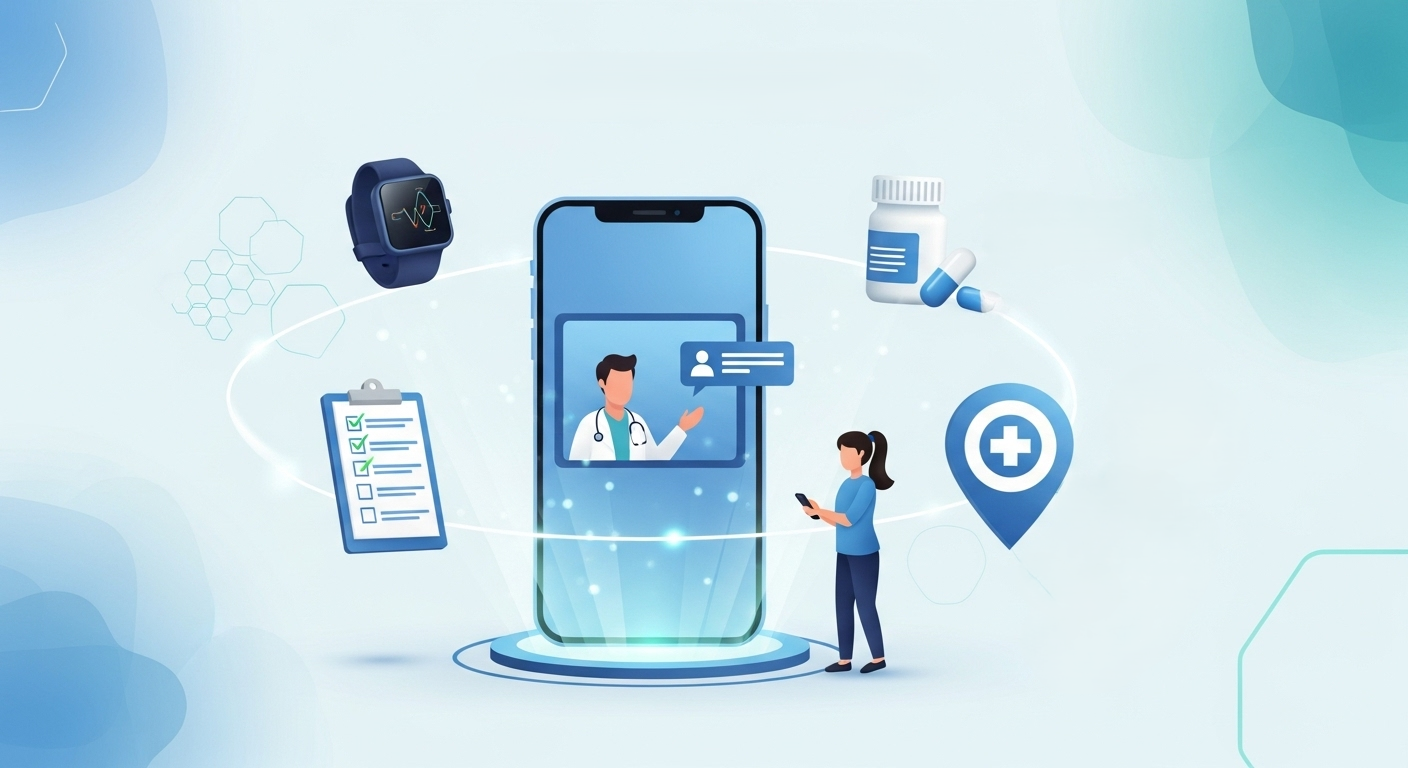
    Decentralized clinical trials move parts of the research process outside of traditional sites and into participants’ daily lives. Instead of requiring every visit at a hospital or clinic, DCTs use technology to give participants flexibility. Many tasks can be done at home or through local healthcare providers.

    Some common features include:

    • Remote monitoring with wearables and connected devices
    • Virtual visits through secure telehealth platforms
    • Mobile apps for diaries, surveys, and symptom tracking
    • Direct-to-patient delivery of investigational products
    • Hybrid trial models that combine occasional on-site visits with digital touchpoints

    The U.S. Food and Drug Administration has issued guidance on decentralized trials, confirming that regulators see this model as a credible way to improve access and reduce participant burden.

    Why sponsors should care?

    1. Recruit more participants

    Site-based models only draw participants from a limited geographic pool. DCTs expand that reach. With digital pre-screening and virtual enrollment, sponsors can connect with participants across entire regions or even nationally. This broader access speeds recruitment and helps trials meet enrollment goals faster.

    2. Retain more participants

    Dropouts are a major source of delay and cost. Long travel times and rigid scheduling discourage participants from staying in trials. DCTs make it easier by allowing remote check-ins, at-home tasks, and flexible scheduling. This convenience keeps participants engaged for longer and reduces dropout rates.

    3. Reach more diverse populations

    Diversity in trials is both a regulatory expectation and a scientific necessity. Traditional site networks often fail to reach rural communities or underrepresented groups. DCTs lower the barriers to participation, making it possible to involve populations that might never have joined a study otherwise. This aligns with FDA diversity guidance and improves the generalizability of trial results.

    4. Save time and money

    Recruitment delays are costly. Every month lost slows the trial and adds expense. Traditional models require more sites, more staff, and higher reimbursement costs. DCTs reduce the need for multiple locations and replace many routine visits with remote monitoring, creating faster and more cost-efficient trials.

    5. Gain real-time insights

    In traditional trials, sponsors often wait weeks for reports. That lag slows decision-making. With decentralized models, data flows continuously through digital platforms. Sponsors can track safety, compliance, and progress in real time, making it easier to adjust strategies and avoid delays.

    Why this Matters Now?

    The shift toward decentralized models is already underway. Sponsors who move quickly will have a clear advantage.

    • Regulators: Agencies such as the FDA and EMA are releasing guidance that supports decentralized approaches and requires stronger diversity reporting.
    • Participants: Patients expect healthcare to be flexible and accessible. Telehealth and home monitoring are part of everyday care, and trials must match those expectations.
    • Industry trends: Companies already using decentralized models are reporting faster recruitment, stronger retention, and improved sponsor-site collaboration.

    The question is no longer “What are decentralized clinical trials?” but “How quickly can we integrate them into our designs?”

    The DecenTrialz Perspective

    At DecenTrialz, we see decentralized trials as one of the most practical solutions to recruitment and retention challenges. Our HIPAA-compliant platform helps sponsors by:

    • Running secure digital pre-screeners to qualify participants
    • Managing real-time referral workflows with research sites
    • Keeping participants engaged through simple, patient-centered processes
    • Providing transparent dashboards for sponsors and CROs to monitor recruitment

    By simplifying complex workflows and maintaining strict compliance, DecenTrialz helps sponsors modernize operations while protecting participant trust.

    Decentralized clinical trials are more than an innovation. They represent a shift in how research will be conducted in the years ahead. For sponsors, they offer faster recruitment, higher retention, greater diversity, and reduced costs. For participants, they provide a more accessible and less burdensome experience.

    Adopting decentralized models is not just about staying competitive. It is about keeping pace with an industry that is already moving forward. Sponsors who make the shift now will be better prepared for the future, where efficiency, inclusivity, and real-time data are the standard for clinical research. Platforms like DecenTrialz give sponsors the tools to take that step with confidence.