Author: Deeksha Gitta

  • Washout Period in Clinical Trials: 5 Essential Facts Every Participant Should Know

    Washout Period in Clinical Trials: 5 Essential Facts Every Participant Should Know

    A washout period in clinical trials may sound technical and even intimidating at first.

    You finally find a clinical trial that feels like a potential option. It may offer access to a new investigational treatment, closer monitoring, or another path to explore. You scroll through the eligibility details and then you see a line that makes you pause.

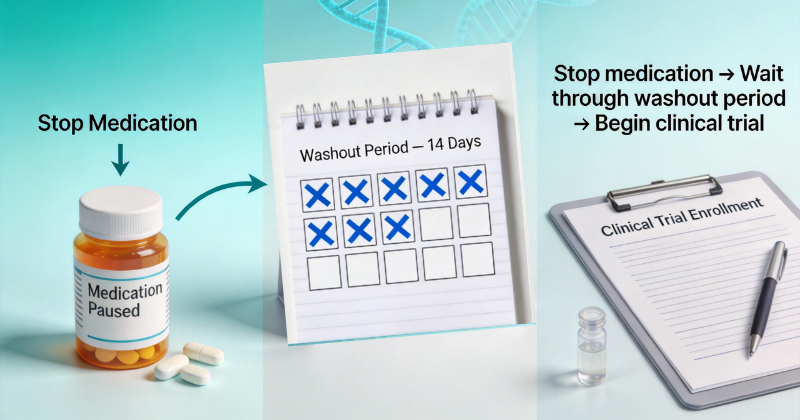
    “Participants must complete a 14-day washout period before enrollment.”

    Suddenly, questions start racing.

    Do I need to stop my current medication?
    Is that safe?
    Will I still qualify?

    If you are considering trial participation, understanding the washout period can help you make informed and confident decisions. This guide explains what is a washout period in clear, simple language without overwhelming medical jargon.

    What is a Washout Period?

    A washout period is a planned amount of time during which a participant stops taking certain medications before starting a clinical trial.

    In simple terms, it is a clearing period that allows previous drugs to leave your body before a new study treatment begins.

    Educational resources explain that a medication washout helps ensure earlier treatments do not interfere with study results. Major clinical research registries include washout periods as part of official trial protocol terminology, highlighting how standardized this process is in research.

    The washout period is not random. It is carefully calculated and built into trial participation requirements to support both safety and accurate study results.

    Why a Washout Period Matters in Clinical Trials

    Clinical trials must produce reliable data. If someone begins a study while another medication is still active in their system, researchers may not know which drug is responsible for:

    • Improvements
    • Side effects
    • Lab changes
    • Symptom differences

    Federal clinical trial design guidance emphasizes controlling variables in research studies to ensure reliable results. A washout period helps reduce overlapping drug effects and improves clarity in study outcomes.

    Washout periods are particularly important in:

    • Early clinical trial phases such as Phase 1 and Phase 2
    • Trials testing new drug classes
    • Studies measuring specific symptom or laboratory changes

    Without a proper washout period, results may become difficult to interpret.

    How Drug Clearance Time Works

    To understand the washout period, it helps to understand drug clearance time.

    Every medication has something called a half-life. A half-life is the time it takes for half of a drug to leave your bloodstream.

    For example:

    • If a drug has a 24-hour half-life, after 24 hours only 50 percent remains.
    • After another 24 hours, 25 percent remains.

    Most medications require about 4 to 5 half-lives to be mostly cleared from the body. This is why washout period timelines differ from one medication to another.

    A medication washout may last:

    • 48 hours
    • 1 to 4 weeks
    • Longer for long-acting medications

    Drug clearance time depends on:

    • Liver and kidney function
    • Dosage
    • Duration of use
    • Individual metabolism

    The washout period is based on pharmacology and safety science and not guesswork.

    5 Essential Facts About a Medication Washout

    1. A Washout Period Protects Your Safety

    The primary purpose of a washout period is safety.

    Stopping one medication and immediately starting another could increase the risk of:

    • Drug interactions
    • Unexpected side effects
    • Altered treatment response

    The washout period gives your body time to stabilize before introducing the investigational treatment.

    2. Not Every Trial Requires a Washout Period

    Some studies allow stable background medications.

    Others require a medication washout only for specific drug categories.

    Washout requirements depend on:

    • The condition being studied
    • The investigational therapy
    • Clinical trial phases
    • Trial participation requirements

    Reviewing eligibility criteria carefully is important before expressing interest.

    3. You Will Not Be Asked to Stop Medication Without Medical Supervision

    A washout period does not mean stopping medication on your own.

    If a medication washout is required:

    • The research team evaluates your safety
    • Your treating physician may be consulted
    • A tapering plan may be created if needed
    • Monitoring is provided

    Participant safety is always the top priority in ethical clinical research.

    4. Washout Periods Can Affect Scheduling

    A washout period may impact when you can officially enroll.

    It might:

    • Delay study start by 1 to 4 weeks
    • Require additional screening visits
    • Include lab testing before and after drug clearance time

    If you are balancing work, family responsibilities, or caregiving, knowing this timeline early helps you plan realistically.

    5. Washout Requirements May Affect Clinical Trial Eligibility

    In some cases, washout timing determines whether you qualify.

    For example:

    • If your medication cannot be safely stopped
    • If symptoms worsen during the washout period
    • If enrollment closes before your medication washout ends

    These factors can influence clinical trial eligibility.

    Clear eligibility disclosure helps you avoid surprises.

    Washout Periods and Clinical Trial Phases

    Washout periods are more common in early clinical trial phases, especially Phase 1 and Phase 2.

    In Phase 1 studies, researchers are often studying a drug in humans for the first time. Because of this, investigators want to make sure that no other medications are influencing the results. A washout period helps create a clean starting point so researchers can understand how the investigational drug behaves in the body.

    Phase 2 trials also frequently use washout periods. These studies focus on how well a treatment works for a specific condition and what side effects might occur. If previous medications remain active in the body, it becomes difficult to determine whether improvements or side effects are related to the study treatment.

    In later Phase 3 trials, researchers may sometimes allow background medications depending on the study design and the condition being studied. By this stage, the treatment has already been studied for safety and dosing. Researchers may focus more on comparing the treatment with existing therapies or evaluating how it performs in larger groups of patients.

    Even in Phase 3 trials, however, washout periods may still be required for certain medications that could interfere with the study results. Each trial defines its own washout requirements based on the treatment being studied, the condition involved, and participant safety considerations.

    Final Thoughts: Making Confident Decisions About a Washout Period

    A washout period is not meant to create barriers. It exists to protect your safety and ensure accurate scientific results.

    Understanding what is a washout period, how drug clearance time works, and how medication washout affects clinical trial eligibility empowers you to ask informed questions:

    • Is it safe for me to pause my medication?
    • How long will the washout period last?
    • How does it affect my schedule?
    • What are the full trial participation requirements?

    After checking eligibility details, always discuss any potential trial and its washout requirements with your treating doctor before making changes to your medication.Clinical research depends on informed volunteers. When the washout period and eligibility criteria are clearly explained, participation becomes a thoughtful decision and not a confusing one.

    Wondering what a washout period means for your schedule? Find transparent, clearly explained trials on DecenTrialz.

  • Global Clinical Trials 2026: How Global-by-Design Strategies Are Reshaping Sites, Sponsors, and Trial Operations

    Global Clinical Trials 2026: How Global-by-Design Strategies Are Reshaping Sites, Sponsors, and Trial Operations

    Global clinical trials 2026 are increasingly being designed with cross-border execution, regulatory coordination, and operational resilience as foundational principles rather than afterthoughts.

    Sponsors are expanding multi-region clinical trials not simply to accelerate enrollment, but to align development programs with simultaneous global regulatory and commercialization strategies. Therapeutic innovation, precision medicine, and competitive pipelines require broader patient access and parallel regional activation.

    Asia-Pacific and emerging markets are driving much of this expansion, with sponsors increasingly planning parallel activation across North America, Europe, and APAC rather than sequential regional rollout.

    At the same time, regional regulatory differences, geopolitical uncertainty, supply chain variability, and digital infrastructure disparities complicate execution. What distinguishes global clinical trials 2026 from earlier international expansion efforts is structural intent. Instead of adding countries sequentially, sponsors are architecting studies for international execution from the outset.

    This global-by-design model is reshaping global trial operations, redefining oversight expectations, and altering how sponsors, CROs, and sites coordinate across borders.

    Why Global-by-Design Defines Global Clinical Trials 2026

    In global clinical trials 2026, protocol design begins with global applicability rather than domestic optimization.

    A global-by-design approach requires:

    • Eligibility criteria validated for cross-region feasibility
    • Endpoints aligned with international regulatory expectations
    • Operational timelines accounting for global study startup timelines
    • Logistics planning that anticipates customs and labeling requirements

    For multi-region clinical trials, this requires early collaboration across regulatory, biostatistics, clinical operations, and regional affiliates. Feasibility modeling now integrates epidemiology, competing trial density, local site infrastructure, and anticipated regulatory review cycles.

    Global trial operations are shifting from reactive adaptation to proactive orchestration. Sponsors recognize that retrofitting a protocol for international expansion introduces cost, delay, and data inconsistency risk.

    Global clinical trials 2026 demand architectural thinking at protocol inception.

    Regulatory Fragmentation and Harmonization Challenges

    Despite increasing efforts toward regulatory harmonization, fragmentation persists across regions.

    The International Council for Harmonisation of Technical Requirements for Pharmaceuticals for Human Use (ICH) provides global standards through guidelines such as ICH E6 and E8. However, interpretation and implementation vary across jurisdictions. Authorities including the U.S. Food and Drug Administration (FDA) and other national regulators maintain distinct inspection expectations, submission formats, and safety reporting requirements. The World Health Organization (WHO) continues to advance transparency initiatives, yet reporting systems and compliance enforcement differ globally.

    In global clinical trials 2026, sponsors must navigate:

    • Regional regulatory differences in ethics review timelines
    • Divergent data privacy frameworks
    • Country-specific pharmacovigilance reporting portals
    • Variability in import/export documentation

    Cross-border clinical research is not merely about scientific alignment; it requires regulatory intelligence embedded into planning cycles.

    Inspection readiness also becomes more complex in distributed trial execution models. Global oversight must accommodate localized monitoring practices while maintaining unified compliance standards.

    Regulatory harmonization has progressed conceptually, but operational alignment remains a continuous challenge in global clinical trials 2026.

    Site Impact in Global Clinical Trials 2026

    Research sites bear a significant portion of the operational burden in international clinical trials.

    In global clinical trials 2026, sites face:

    • Increased documentation requirements
    • Translation of informed consent forms and patient materials
    • Differing source data verification expectations
    • Cross-border safety reporting processes

    Infrastructure disparities can also create execution variability. Established metropolitan centers may have robust digital systems, while emerging markets clinical trials may require expanded training and technology investment.

    Many global sites now juggle multiple sponsor platforms and local hospital systems in parallel, making constant system and process switching a major contributor to operational strain and error risk.

    A strong global site strategy includes:

    • Early infrastructure assessment
    • Local regulatory support
    • Standardized training frameworks
    • Centralized data reporting guidance

    International site management must balance protocol fidelity with local workflow realities. Over-standardization without flexibility can strain site capacity, while excessive decentralization can compromise data consistency.

    Organizations strengthening site enablement in global trials are increasingly focusing on structured coordination between sponsors and sites to reduce administrative friction.

    Global clinical trials 2026 require site partnerships grounded in operational realism rather than assumption.

    Decentralization Within Global Clinical Trials 2026

    Decentralized global trials are increasingly embedded within cross-border programs.

    Hybrid models, combining on-site visits with remote data capture, offer expanded global patient recruitment potential. However, decentralized execution across jurisdictions introduces regulatory and logistical complexity.

    Telehealth regulations vary by country. Remote consent standards differ. Data hosting requirements may restrict cross-border transfers. Shipping investigational products across international boundaries can require additional licensing.

    Global clinical trials 2026 demand harmonized oversight for decentralized components, including:

    • Standardized ePRO translations
    • Device compatibility across regions
    • Remote monitoring protocols aligned with inspection expectations
    • Secure cross-border data transmission

    Decentralization enhances distributed trial execution flexibility but amplifies coordination demands. Operational coherence remains essential.

    Data Consistency and Interoperability Across Borders

    Data architecture defines the integrity of global clinical trials 2026.

    When multiple regions contribute data, inconsistency can arise from:

    • Differing laboratory units
    • Variable coding conventions
    • Region-specific electronic data capture configurations
    • Safety database integration gaps

    Global trial oversight requires interoperable systems capable of harmonizing structured datasets across geographies.

    Effective interoperability in global trials includes:

    • Unified data dictionaries
    • Standardized CRF structures
    • Centralized analytics dashboards
    • Transparent audit trails

    Without consistent data governance, reconciliation cycles increase, and inspection exposure grows.

    Global clinical trials 2026 are increasingly defined by centralized visibility layered over distributed execution.

    Sponsor and CRO Realignment in a Global-by-Design Model

    Global clinical trials 2026 are prompting strategic realignment between sponsors and CROs.

    Sponsors are moving toward centralized oversight hubs supported by regionally embedded operational teams. This model enables global performance transparency while preserving local execution expertise.

    An effective global CRO strategy incorporates:

    • Defined global versus regional accountability structures
    • Unified reporting dashboards
    • Risk-based monitoring integration
    • Shared escalation pathways

    Trial operations strategy prioritizes coordinated vendor ecosystems. Fragmented outsourcing increases variability in multi-region clinical trials.

    Strategic collaboration between sponsors and CRO partners is becoming central to sustaining quality, scalability, and performance transparency across regions.

    Global clinical trials 2026 emphasize measurable performance alignment rather than isolated regional metrics.

    Workforce and Infrastructure Implications

    The workforce supporting global clinical trials 2026 is evolving.

    Organizations are expanding regulatory intelligence capabilities to monitor regional regulatory differences continuously. Multilingual coordination teams are increasingly necessary to support international site management and global patient recruitment initiatives.

    Digital infrastructure must also scale. Cloud hosting must align with country-specific data residency laws. Training programs must reflect diverse regulatory expectations. Inspection readiness processes must function across distributed sites.

    Emerging competencies include:

    • Cross-cultural stakeholder management
    • International contract negotiation
    • Advanced data standardization practices
    • Geopolitical risk assessment

    Operational resilience in global clinical trials 2026 depends on integrating human expertise with scalable digital systems.

    Preparing for the Global Clinical Trials 2026 Environment

    Preparation for global clinical trials 2026 requires structured foresight.

    Sponsors and CROs can strengthen readiness through:

    Early regulatory mapping
    Integrate regional submission and ethics timelines during protocol drafting.

    Site diversity planning
    Balance established research hubs with emerging markets clinical trials to enhance enrollment resilience.

    Data governance alignment
    Standardize data models before activation to minimize reconciliation risk.

    Risk mitigation frameworks
    Incorporate geopolitical scenario planning and supply chain redundancy.

    Technology audits
    Assess interoperability, scalability, and audit trail integrity across systems.

    Global clinical trials 2026 reward operational coherence over reactive expansion.

    Structured Platforms and Global Trial Visibility

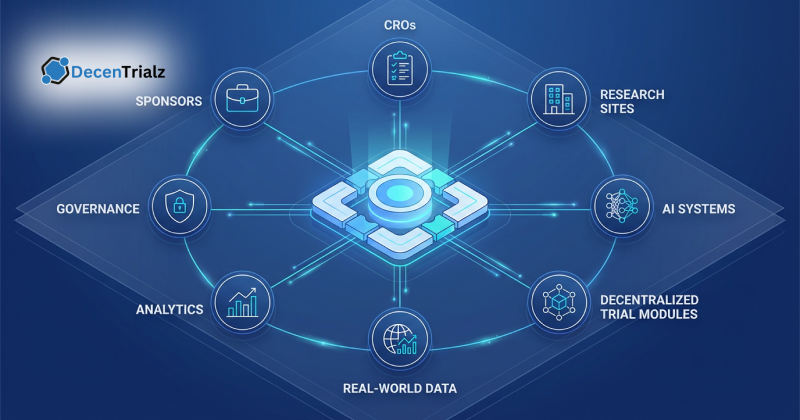
    Platforms that structure publicly available clinical research information can support global trial visibility and operational alignment across sponsors, CROs, and sites.

    Structured transparency supports:

    • Standardized trial listings
    • Region-aware filtering
    • Cross-border discoverability
    • Data consistency

    Global clinical trials 2026 increasingly depend on clear information flow across the research ecosystem.

    Strategic Framework for Global Clinical Trial Execution

    As global clinical trials 2026 continue to evolve, sponsors must align regulatory foresight, site enablement, data governance, and global trial operations within a unified execution framework.

    This requires structured regulatory mapping, coordinated sponsor–CRO oversight models, standardized data governance architecture, and proactive site infrastructure planning across regions.

    Strategic preparation today will determine operational resilience in the global clinical trials 2026 environment.

  • Clinical Trials in 2026: How Platformization and AI Fluency Are Reshaping the Research Value Chain

    Clinical Trials in 2026: How Platformization and AI Fluency Are Reshaping the Research Value Chain

    Clinical trials in 2026 are no longer defined by isolated systems and fragmented vendors, but by platformization, AI fluency, and an increasingly integrated research ecosystem.

    What distinguishes 2026 from earlier digital experimentation is not the presence of new tools, but the structural redesign of research execution. Rising protocol complexity, global enrollment pressure, decentralized models, and tighter oversight expectations have made fragmented vendor stacks unsustainable.

    Sponsors are demanding scalability. CROs are redefining service models. Technology vendors are consolidating into orchestration platforms.

    Clinical trials in 2026 mark the transition from digital experimentation to architectural maturity.

    The Shift Defining Clinical Trials in 2026

    Digital transformation in clinical trials initially focused on tool adoption. EDC systems, CTMS platforms, decentralized modules, and analytics dashboards were layered onto legacy operating models.

    This created vendor sprawl, parallel data repositories, manual reconciliation cycles, and limited cross-functional visibility.

    In clinical trials in 2026, that fragmentation has become economically inefficient and strategically restrictive.

    The future of clinical operations requires unified oversight across enrollment, monitoring, safety, data capture, and real-world evidence integration. Sponsors expect consolidated performance intelligence rather than stitched exports. CROs require scalable, platform-native environments.

    The defining shift is structural consolidation, moving from tool layering to ecosystem integration.

    What Platformization Means in Clinical Research

    Platformization in clinical research is not modernization rhetoric. It represents infrastructure realignment.

    Platformization includes:

    • End-to-end clinical platforms spanning design through close-out
    • API-based interoperability across EDC, eCOA, eSource, and analytics systems
    • Centralized data governance environments
    • Modular yet unified infrastructure

    Trial technology platforms are evolving into integrated clinical ecosystems that reduce integration friction and increase operational transparency.

    This impacts efficiency by reducing reconciliation loops, simplifies vendor management, and supports scalable portfolio expansion.

    In clinical trials in 2026, platformization becomes the foundation for sustainable execution rather than a procurement exercise.

    AI Fluency in Clinical Trials in 2026

    AI in clinical trials has matured beyond experimentation. However, AI fluency in research is now the differentiator.

    AI fluency in clinical trials in 2026 includes organizational literacy in model interpretation, formal validation frameworks, bias monitoring structures, and transparent governance oversight.

    Predictive analytics in trials now support risk-based monitoring optimization, AI-powered patient matching, enrollment forecasting, and protocol feasibility simulation.

    Yet AI in clinical trials delivers value only when paired with governance maturity.

    AI fluency is a capability, not a feature.

    Sponsors and CROs embedding data science oversight committees and validation protocols are better positioned to leverage AI responsibly within clinical trials in 2026.

    The Redrawing of the Clinical Research Value Chain

    The clinical research value chain is being restructured.

    Sponsors increasingly seek centralized control over unified data environments. End-to-end clinical platforms reduce reliance on fragmented vendor silos and restore portfolio-level visibility.

    CROs are repositioning toward strategic operational integration, platform-native execution, and data orchestration partnership.

    Technology vendors are evolving into ecosystem orchestrators rather than isolated service providers.

    Non-traditional players, including compounding pharmacies, telehealth providers, consumer wearables, and emerging payment models, are reshaping trial delivery and patient access. These entrants further emphasize platform strategy as sponsors seek unified visibility across diverse execution partners.

    Clinical trials in 2026 redistribute influence across the clinical research value chain, with data ownership and ecosystem orchestration becoming competitive levers.

    Sponsors, CROs, and Technology Realignment

    Sponsor technology strategy in clinical trials in 2026 is shifting from vendor selection to ecosystem architecture.

    Enterprise buyers are evaluating platform consolidation opportunities, hybrid infrastructure models, and centralized analytics ownership.

    CROs must adapt to sponsor-led integrated environments where data transparency and cross-platform alignment are mandatory.

    The economic model is shifting from transactional service fees toward infrastructure-based collaboration.

    Decentralization Within Platform Ecosystems

    Decentralized clinical trials have expanded remote visits, wearable integration, telemedicine, and site flexibility.

    In clinical trials in 2026, decentralization is embedded within unified platforms rather than layered onto legacy systems.

    Remote patient monitoring feeds directly into centralized analytics. Wearables integrate through standardized APIs. Telemedicine workflows synchronize with core trial management systems.

    This integration reduces duplication and enhances compliance documentation.

    Decentralized clinical trials become structurally aligned rather than operationally isolated.

    Data Interoperability and Integration

    Interoperability in clinical research has become strategic rather than aspirational.

    Clinical trials in 2026 require harmonized data environments across EDC, eSource, safety systems, and real-world data integration.

    Living protocols represent another structural advance. Rather than static amendments, 2026 platforms enable continuous protocol evolution through secondary data reuse and real-time feasibility modeling. ICH M11 standards and evolving ICH E6(R3) guidance accelerate this transition by standardizing modular trial design and execution.

    Real-world data integration strengthens adaptive modeling and supports post-market strategy alignment.

    Interoperability is now a governance capability supported by architectural discipline.

    Risks and Governance in Platform-Driven Clinical Trials in 2026

    Platform maturity introduces governance complexity.

    Key considerations include AI bias and model transparency, vendor lock-in risk, cybersecurity exposure within centralized data lakes, and expanding regulatory scrutiny.

    Alignment with FDA Digital Health Technology guidance

    and evolving AI governance frameworks is essential.

    Regulatory recovery continues through ICH M11 (modular protocols) and ICH E6(R3) revisions, enabling platform-native adaptive designs and automated compliance.

    Clinical trials in 2026 require governance models that scale with infrastructure sophistication.

    Preparing for Clinical Trials in 2026

    Executive teams should approach this transition methodically.

    Recommended actions include conducting enterprise-wide technology audits, mapping the full clinical research value chain, evaluating consolidation potential across trial technology platforms, establishing AI literacy programs, formalizing model governance structures, and developing interoperability scorecards.

    Workforce roles are evolving toward data product ownership and AI governance specialists. Clinical operations teams increasingly require fluency in model interpretation, performance validation, and cross-platform data orchestration.

    Clinical trials in 2026 demand alignment between architecture, governance, and organizational capability.

    Structured Platforms and Trial Visibility

    Platforms that centralize and structure publicly available clinical trial information reinforce transparency, interoperability, and platform-aligned research execution across sponsor and CRO ecosystems.

    Preparing for the Platform-Driven Future

    Clinical trials in 2026 reflect structural realignment rather than incremental innovation.

    Platformization in clinical research, AI fluency in research, living protocols, decentralized integration, and value chain redistribution are converging to redefine the future of clinical operations.

    Organizations that treat technology as infrastructure, not experimentation, will maintain strategic control, operational clarity, and competitive resilience in clinical trials in 2026.

  • eCRF Electronic Data Capture: Improving Data Flow and Quality in Clinical Trials

    eCRF Electronic Data Capture: Improving Data Flow and Quality in Clinical Trials

    eCRF electronic data capture has become a foundational component of modern clinical trials, enabling faster data flow and improved data quality.
    As clinical research has evolved, the volume, complexity, and regulatory expectations around trial data have increased significantly. Paper-based data collection methods struggle to support these demands, often leading to delays, transcription errors, and limited real-time visibility.

    For clinical trial sponsors, accurate and timely data is essential for maintaining oversight, supporting regulatory compliance, and enabling confident decision-making. eCRF electronic data capture addresses these needs by replacing manual processes with structured, digital data entry systems designed specifically for clinical research environments.

    What Is eCRF Electronic Data Capture?

    eCRF electronic data capture refers to the use of electronic case report forms within an electronic data capture (EDC) system to collect, manage, and review clinical trial data. Instead of documenting study data on paper and later transcribing it, investigators enter information directly into standardized electronic forms.

    Electronic case report forms are configured based on protocol requirements and study endpoints. These forms guide site staff through structured data entry, ensuring consistency across participants and sites. Core components of an eCRF electronic data capture system typically include configurable forms, validation rules, audit trails, role-based access controls, and centralized data review tools.

    Together, these elements allow sponsors and CROs to manage clinical data in a controlled, traceable, and scalable manner.

    How Electronic Data Capture Replaced Paper-Based Processes

    Paper-based data collection once served as the primary method for recording clinical trial data, but it introduced significant operational challenges. Manual data entry increased the risk of transcription errors, while physical document handling delayed monitoring and review activities.

    Electronic data capture emerged as a solution to these limitations. By allowing sites to enter data directly into digital systems, electronic data capture reduced duplication, minimized delays, and improved data availability. Sponsors adopted electronic data capture for clinical trials to support faster study execution and stronger oversight across distributed trial environments.

    Improving Data Quality Through Structured Data Entry

    Data quality begins at the point of entry. eCRF electronic data capture improves data quality by enforcing structured data entry through predefined formats, validation checks, and required fields.

    Validation rules help prevent incorrect or out-of-range values, while mandatory fields reduce missing data. Standardized data entry systems support clinical data management teams by reducing the need for extensive data cleaning and reconciliation later in the study. This structured approach improves the reliability of datasets used for interim analyses, safety monitoring, and final reporting.

    Accelerating Data Flow Across Trial Stakeholders

    Electronic data capture in clinical trials enables faster data flow between sites, sponsors, and CROs. Once data is entered into an eCRF, it becomes immediately available for review, reducing the lag between collection and oversight.

    This real-time access supports quicker query resolution, earlier identification of issues, and more efficient collaboration across stakeholders. For sponsors overseeing multi-site or global studies, electronic data capture provides timely insights into trial progress and data completeness

    Supporting Monitoring and Oversight With EDC Systems

    EDC systems play a critical role in supporting modern monitoring strategies. Remote access allows monitors to review data without relying solely on on-site visits, while centralized dashboards help identify trends and potential risks across sites.

    Risk-based monitoring approaches depend on timely and consistent data. eCRF electronic data capture supports these models by making structured data available for centralized review, enabling sponsors to focus monitoring efforts where they are most needed while maintaining oversight across the study.

    EDC Systems and Regulatory Expectations

    Regulatory authorities expect sponsors to maintain data integrity, traceability, and inspection readiness throughout a clinical trial. Electronic data capture systems support these expectations by maintaining audit trails, documenting data changes, and controlling user access.

    eCRF electronic data capture helps sponsors demonstrate compliance with regulatory standards related to electronic records and data management. Clear documentation and traceable workflows reduce inspection risk and support confidence during regulatory review. Sponsors often align their EDC implementations with industry guidance on electronic data capture in clinical trials, such as recommendations published by regulatory authorities and standards organizations.

    Operational Benefits for Sponsors and Sites

    Beyond data quality and compliance, electronic data capture offers operational benefits for both sponsors and sites. Site teams experience reduced administrative burden, clearer data entry guidance, and fewer avoidable queries.

    Sponsors benefit from improved visibility into trial performance, faster access to reliable data, and smoother collaboration with CROs and sites. These efficiencies support better planning, quicker decision-making, and more predictable trial execution.

    When Electronic Data Capture Is Most Effective

    Electronic data capture is particularly effective in multi-site trials, complex protocols, and studies requiring frequent or longitudinal data collection. Trials with multiple endpoints or detailed assessments benefit from the consistency and structure provided by eCRF systems.

    Early alignment between protocol design, data collection strategy, and monitoring plans is critical. Achieving an instant match between study requirements and electronic data capture configuration helps reduce downstream operational challenges and supports trial readiness from the outset.

    How Modern Trial Platforms Support Data Quality

    Modern clinical trial platforms increasingly integrate electronic data capture with other trial workflows. Structured systems help connect data collection with recruitment, screening, and operational oversight, reducing fragmentation across trial activities.

    Integrated platforms improve visibility across the trial lifecycle, allowing sponsors to maintain consistency and oversight from study startup through closeout.

    Applying Structured Data Earlier in the Trial Process

    The principles behind eCRF electronic data capture, structure, consistency, and traceability, are increasingly being applied earlier in the clinical trial lifecycle, even before site-level data entry begins.

    DecenTrialz supports this early stage by enabling structured participant pre-screening before a research site becomes involved. Individuals review study requirements and respond to basic eligibility questions aligned with protocol criteria, using standardized digital forms.

    This early information is then shared with research sites to provide context ahead of formal screening. By capturing key details upfront in a consistent format, unnecessary back-and-forth during initial outreach is reduced, allowing site teams to focus on detailed screening and consent activities.

    Extending structured data collection into pre-screening helps improve trial readiness, supports smoother site workflows, and reinforces data quality from the earliest touchpoints of the study.

  • Post-Marketing Clinical Trials: Managing Phase 4 Commitments and Safety Studies

    Post-Marketing Clinical Trials: Managing Phase 4 Commitments and Safety Studies

    Post-marketing clinical trials play a critical role in monitoring long-term safety, effectiveness, and real-world performance after regulatory approval, ensuring that approved therapies continue to meet regulatory, clinical, and public health expectations as they are used by broader patient populations.

    Regulatory approval represents a transition rather than the conclusion of clinical research. Pre-approval trials are conducted under controlled conditions with defined eligibility criteria and limited follow-up duration. Once a product enters routine clinical practice, sponsors remain responsible for generating additional evidence that reflects real-world use and long-term exposure.

    Phase 4 studies therefore represent both a regulatory obligation and a scientific responsibility. They support lifecycle oversight, reinforce accountability, and demonstrate a sustained commitment to patient safety beyond initial market entry.

    What Are Post-Marketing Clinical Trials?

    Post-marketing clinical trials, commonly referred to as Phase 4 studies, are conducted after a drug or medical device has received regulatory approval. These studies focus on evaluating long-term safety, effectiveness, and outcomes under real-world conditions.

    Unlike pre-approval trials, post market clinical trials typically involve broader patient populations, longer follow-up periods, and routine clinical care settings. This design allows sponsors to observe how approved therapies perform across diverse demographics, comorbidities, and treatment patterns that may not have been fully represented earlier in development.

    For sponsors, post-marketing clinical trials provide essential evidence to support regulatory compliance, product labeling updates, and responsible lifecycle management.

    Understanding Phase 4 Commitments

    Phase 4 commitments may be either regulatory-mandated or voluntarily initiated by sponsors. Regulatory authorities may require post-marketing studies when there is residual uncertainty regarding long-term safety, rare adverse events, or use in specific populations.

    Voluntary phase 4 commitments are often undertaken to address additional scientific questions, such as expanded indications, long-term comparative effectiveness, or treatment optimization. In both cases, these studies extend the clinical understanding of an approved product beyond initial authorization.

    Managing Phase 4 commitments requires sustained planning, long-term operational oversight, and governance models designed to remain effective well after commercialization.

    Role of Phase 4 Clinical Trials Post Marketing

    Phase 4 clinical trials post marketing provide insights that are not fully attainable during earlier phases of development. Patients treated in real-world clinical settings often differ meaningfully from those enrolled in pre-approval trials, including differences in age, disease severity, comorbid conditions, and concomitant medications.

    This broader exposure enables enhanced safety signal detection, particularly for infrequent or delayed adverse events. Phase 4 clinical trials post marketing also support subgroup analyses that inform risk mitigation strategies, regulatory updates, and clinical guidance.

    By extending evidence generation across routine clinical practice, these studies strengthen confidence in benefit-risk profiles throughout the product lifecycle.

    Safety Monitoring After Approval

    Safety monitoring remains a central objective of post-marketing clinical trials. Sponsors are responsible for the ongoing collection, assessment, and reporting of adverse events in accordance with pharmacovigilance requirements.

    This includes routine safety reporting, signal detection activities, and communication with regulatory authorities when new risks are identified. A defined safety monitor function supports consistent review and escalation processes, ensuring that emerging safety trends are evaluated promptly.

    Effective safety monitoring after approval depends on standardized data capture, reliable reporting workflows, and sustained oversight across long-duration studies.

    Operational Challenges in Post-Approval Studies

    Post-marketing clinical trials present distinct operational challenges compared with earlier-phase research. Enrollment may progress more slowly because approved therapies are already accessible through routine care, reducing patient motivation to participate in additional studies.

    Site engagement can also decline over time as competing priorities arise, while long study durations increase the risk of protocol drift and data inconsistency. Maintaining data quality across extended follow-up periods requires structured processes, continuity planning, and ongoing performance monitoring.

    Sponsors must anticipate these challenges and design post-approval strategies that support long-term execution rather than short-term milestones.

    Aligning Post-Marketing Studies With Real-World Evidence

    Post-marketing clinical trials increasingly complement real-world evidence initiatives by providing structured, regulatory-grade data alongside observational insights. While real-world data sources offer scale and contextual understanding, Phase 4 studies deliver predefined endpoints and controlled assessments.

    Together, these approaches support comprehensive lifecycle evidence generation. Alignment between post-marketing studies and real-world evidence strategies enhances transparency, strengthens regulatory confidence, and reinforces sponsor accountability throughout commercialization.

    Visibility of Post-Marketing Clinical Trials

    Visibility into post-marketing clinical trials is an important factor in supporting transparency across the clinical research ecosystem. Clear access to information about ongoing studies, therapeutic focus areas, and participating research sites helps sponsors and research stakeholders maintain awareness during Phase 4 activities.

    Improved discoverability of post-marketing studies allows stakeholders to better understand where Phase 4 research is being conducted, how study portfolios are distributed across therapeutic areas, and how post-approval evidence generation evolves over time.

  • Site Selection in Clinical Trials: Strategic Planning in the Age of Decentralization

    Site Selection in Clinical Trials: Strategic Planning in the Age of Decentralization

    Site selection in clinical trials has entered a new phase as decentralized and hybrid models reshape how sponsors evaluate research sites across geographies, infrastructure, and operational readiness. What was once a largely experience-driven decision is now a strategic planning activity that directly influences enrollment predictability, operational risk, and trial timelines.

    As trial designs expand beyond traditional site-based execution, sponsors are expected to evaluate not only investigator experience but also how well sites can support distributed workflows, digital engagement, and participant readiness. In this environment, site selection has become a core component of risk management and execution strategy rather than a standalone operational step.

    Traditional Approaches to Clinical Trial Site Selection

    Historically, clinical trial site selection focused on retrospective indicators. Sponsors prioritized sites with strong recruitment history, consistent enrollment performance, and investigators who had previously managed similar protocols.

    Enrollment speed, screen success rates, and investigator experience were often the primary decision drivers. These factors worked well in fully site-based trials where patient access, visit schedules, and data collection methods were relatively stable.

    However, this approach assumed that past performance alone could predict future success, offering limited insight into how sites would perform under evolving trial models.

    Why Site Selection is Changing

    Decentralized and hybrid trial models have expanded the scope of site evaluation. Sponsors must now assess whether sites can support remote interactions, digital workflows, and participant engagement outside the physical clinic.

    Geographic reach has widened, but with it comes greater operational dependency. Sites are expected to coordinate telehealth visits, manage home-based services, and maintain consistent oversight across distributed activities. These expectations have shifted site selection toward forward-looking readiness assessments rather than historical comparisons.

    As a result, site selection decisions increasingly determine whether decentralized trial designs are operationally viable.

    Key Factors in Modern Site Selection in Clinical Trials

    Modern site selection in clinical trials require sponsors to evaluate operational capabilities alongside traditional performance metrics. Telehealth readiness, digital consent workflows, and remote data capture capabilities are now essential considerations.

    Sponsors also assess whether sites have the infrastructure and trained staff to manage hybrid execution without increasing protocol deviations or data quality risk. Logistics coordination, including sample handling and home-visit support, further differentiates site readiness.

    In addition, access to local healthcare networks and referral pathways plays a growing role, particularly for studies that depend on broader or more diverse participant populations.

    Investigator Selection in Decentralized and Hybrid Trials

    Despite changes in trial execution models, investigator selection remains central to trial success. Investigators are responsible for protocol oversight, participant safety, and data integrity across both on-site and remote activities.

    In decentralized and hybrid trials, investigators must demonstrate adaptability, clear communication practices, and comfort with digital oversight tools. Their ability to manage distributed teams and respond to real-time operational signals directly influences site performance.

    Strong investigator leadership helps ensure that operational complexity does not translate into execution risk.

    The Impact of Site Selection on Patient Recruitment

    Site readiness has a direct impact on patient recruitment outcomes. Sites that lack operational flexibility or digital coordination often experience slower enrollment, higher screen failure rates, and increased participant attrition.

    In patient recruitment in clinical trials, participant experience is closely tied to how effectively sites manage communication, scheduling, and expectations. Sites that support reduced travel burden and timely engagement tend to see stronger retention and adherence.

    Many recruitment challenges can be traced back to early site selection decisions, highlighting the importance of evaluating readiness beyond historical metrics.

    Aligning Site Selection With Recruitment Strategy

    Effective clinical trial recruitment begins with alignment between site selection and enrollment strategy. Sponsors increasingly assess whether sites have access to the target population and the operational capacity to support projected recruitment timelines.

    Early feasibility assessments help identify mismatches between protocol demands and site capabilities before activation. This proactive approach allows sponsors to address risks early rather than responding to delays after enrollment begins.

    When site selection and recruitment planning are aligned, sponsors gain greater predictability and control over trial execution.

    The Role of Data and Dashboards in Site Selection

    Data visibility now plays a central role in site selection decision-making. Sponsors rely on dashboards to gain comparative insights into enrollment trends, screening efficiency, and recruitment progress across active studies. These views support earlier understanding of whether enrollment assumptions align with real-world conditions.

    Early feasibility alignment signals, including pre-screening data and enrollment responsiveness, help sponsors assess readiness before recruitment accelerates. As trials progress, real-time tracking of screening outcomes and participant flow enables earlier identification of emerging risks and timely course correction.

    This continuous feedback approach shifts site selection from a one-time planning activity into an actively monitored process that supports more predictable trial execution.

    Recruitment Readiness as a Component of Strategic Site Selection

    Recruitment readiness increasingly influences site selection outcomes, even when sponsors have predefined site networks. Structured pre-screening processes help ensure that participants entering the pipeline are informed, aligned, and prepared before referral to research sites.

    Clear presentation of study requirements, guided eligibility questions, and early confirmation of participant understanding reduce downstream screening inefficiencies. Clinical follow-up conversations further support alignment by clarifying expectations and readiness before site involvement.

    By improving participant preparedness before referral, recruitment readiness supports smoother site workflows, more stable enrollment patterns, and stronger alignment between site selection decisions and real-world recruitment performance.

  • Placebo Clinical Trials: How Treatment Assignment and Participant Care Work

    Placebo Clinical Trials: How Treatment Assignment and Participant Care Work

    Placebo clinical trials often raise questions for participants about what treatment they will receive and why placebos are used…
    It is common to feel uncertain when learning that a clinical study includes a placebo or control group. Many participants worry about whether they will receive real medical care, how treatment assignments are made, and whether their health will be protected throughout the study.

    Placebo clinical trials are designed within regulated clinical study design frameworks that prioritize participant safety, transparency, and informed choice. These studies follow ethical standards that ensure participants understand how the study works, what care they will receive, and how their well-being is monitored from start to finish.

    What Is a Placebo in Clinical Research?

    A placebo is a substance or intervention that looks like the study treatment but does not contain an active medical ingredient. In placebo clinical trials, placebos are used to help researchers accurately evaluate whether a new treatment provides benefits beyond what might occur naturally or due to expectations.

    Placebos may be pills, injections, or other treatments that closely resemble the investigational product. Their use is planned carefully as part of the overall clinical trial design and is always disclosed during the informed consent process.

    What Is a Control Group?

    A control group is the group used for comparison in a clinical study. In placebo clinical trials, the control group may receive a placebo instead of the investigational treatment.

    Some studies use a placebo control, while others compare a new treatment to standard medical care. The type of control group used depends on the condition being studied, existing treatment options, and ethical considerations. This information is shared clearly before participation begins so individuals understand how outcomes will be evaluated.

    Why Placebo Clinical Trials Are Used

    Placebo clinical trials help determine whether a new treatment is both effective and safe. By comparing results between the treatment group and the control group, researchers can identify whether improvements are truly due to the treatment itself.

    This approach supports scientific accuracy and protects future patients by ensuring that new treatments meet established standards before becoming widely available. Placebo clinical trials play an important role in responsible medical research and evidence-based care.

    How Randomization Works

    Randomization is the process of assigning participants to study groups by chance. In placebo clinical trials, randomization ensures that groups are similar and that results are not influenced by personal characteristics or preferences.

    Assignments are managed through secure systems, and neither participants nor study staff choose group placement. Randomization helps maintain fairness and reliability while supporting unbiased study results.

    What Is Blinding and Why It Matters

    Blinding means that participants, researchers, or both do not know which treatment a participant receives.

    In single-blind studies, participants do not know their group assignment. In double-blind studies, neither participants nor researchers know which treatment is assigned. Blinding reduces bias and helps ensure that observations and assessments remain objective throughout placebo clinical trials.

    Ethical Safeguards in Placebo Clinical Trials

    Ethical oversight is central to placebo clinical trials. Independent ethics committees and regulatory authorities review every study before it begins to ensure participant rights, safety, and fairness.

    Participants are not denied appropriate medical care. Studies are designed so individuals continue to receive necessary monitoring and treatment when needed. Safety is reviewed continuously, and studies can be modified or stopped if concerns arise.

    Authoritative guidance from the National Institutes of Health outlines how placebos, control groups, and ethical safeguards are used responsibly in clinical research.

    Will I Still Receive Medical Care if I’m in a Placebo Group?

    Yes. Being assigned to a placebo group does not mean losing access to medical care. Participants in placebo clinical trials continue to receive regular medical monitoring and support throughout the study.

    If a participant’s condition changes or requires attention, study teams follow predefined safety protocols to respond appropriately. Participant health always takes priority over research outcomes.

    How Study Design Is Explained During Informed Consent

    Before joining a study, participants review detailed information during the informed consent process. This includes whether a placebo is used, how randomization works, what type of control group is involved, and what care will be provided.

    The clinical trial design and clinical study design are explained in clear, understandable language. Participants are encouraged to ask questions and take time to decide whether participation feels right for them.

    Exploring Clinical Trials With Clear Study Details

    Understanding study structure before applying helps participants align expectations and comfort levels. Clear explanations about placebo clinical trials, eligibility requirements, and study procedures support informed decision-making early in the process.

    Participants can explore clinical trials on DecenTrialz, where studies are organized by research focus to help individuals better understand trial purpose and participation requirements before expressing interest.

  • The 4 Types of Clinical Trial Monitoring Sponsors Should Know

    The 4 Types of Clinical Trial Monitoring Sponsors Should Know

    Clinical trial monitoring is no longer a one-size-fits-all task. Modern sponsors must oversee complex, multi-site studies with diverse patient populations, hybrid designs, and rapid data flows. Choosing the right monitoring strategy has become essential to protect participants, maintain data quality, and streamline compliance with oversight expectations.

    What is Clinical Trial Monitoring?

    Clinical trial monitoring is the systematic oversight of a clinical study to ensure participant rights and safety, data accuracy, and adherence to the protocol, Good Clinical Practice, and applicable regulations. It involves verifying data, checking adverse events, and reviewing site conduct to ensure the trial is conducted ethically and with integrity. Monitors support the protection of participants, reliable data collection, and adherence to study requirements to maintain quality and compliance.

    Below, we explain the 4 types of clinical trial monitoring sponsors should understand, why each matters, and how they work together to support smarter oversight.

    On-Site Monitoring

    On-site monitoring is the traditional backbone of clinical trial oversight. In this model, trained monitors physically visit research sites to assess trial conduct, review participant records, and verify that procedures follow the protocol.

    On-site monitoring allows sponsors to observe operations in person, strengthen site relationships, and clarify documentation issues directly. It remains critical when verification of procedures or complex assessments requires human presence.

    However, frequent travel and visits can be costly and time-intensive, particularly for global studies or decentralized designs where sites are spread across regions. For this reason, sponsors often reserve on-site monitoring for high-risk activities or validation of key data.

    Remote Monitoring

    Remote monitoring enables trial oversight without being physically present at the site. Monitors can securely access selected data and documents off-site to review progress, protocol compliance, and data entries. This approach became more prevalent during the COVID-19 pandemic and continues to be useful in hybrid and decentralized trials. 

    Remote monitoring can reduce travel costs, accelerate oversight cycles, and provide broader access across geographically dispersed sites. Sponsors can use secure portals, digital logs, and electronic communication to verify data and track site activities.

    To get the best value from remote monitoring, sponsors should ensure sites use consistent data entry processes and that appropriate controls are in place to protect privacy and data accuracy.

    Centralized Monitoring

    Centralized monitoring focuses on the review and analysis of aggregated data from all study sites in one location. Rather than examining records on a site-by-site basis, sponsors analyze overall patterns, trends, outliers, and data consistency to detect emerging signals that could indicate risk to trial quality. 

    For example, centralized oversight can highlight data irregularities, enrollment discrepancies, or deviations from expected patterns across sites. By monitoring these trends, sponsors can prioritize follow-up actions, decide where on-site or remote reviews are needed, and ensure that quality issues are detected early.

    Centralized monitoring is often integrated with technology and analytics tools that enable risk visualization and early detection of trial deviations. It supports efficient allocation of monitoring resources while enabling broader oversight across multiple sites.

    Risk-Based Monitoring

    Risk-based monitoring (RBM) is a structured approach that tailors oversight activities to the specific risks of a given clinical trial rather than applying uniform monitoring to all data and processes. 

    In this model, sponsors assess potential risks such as participant safety concerns, complex endpoints, or data integrity issues before the trial begins. Monitoring efforts are then prioritized accordingly. Sponsors may combine on-site, remote, and centralized monitoring based on where risks are highest and where they can be most effectively managed.

    Key advantages of risk-based monitoring include improved efficiency, more targeted use of resources, and timely identification of problems that could affect data quality or participant safety.

    Modern guidance encourages sponsors to develop a documented monitoring strategy based on risk assessments, with justification for the chosen approach. Evidence of ongoing risk evaluation and adaptive oversight is important for demonstrating effective quality management. 

    How Sponsors Should Think About These 4 Types

    These four approaches are not mutually exclusive. Rather, they represent a toolkit sponsors can use to tailor oversight to the study’s complexity and risk profile.

    • On-site monitoring remains valuable for direct observation and verification.
    • Remote monitoring supports oversight across locations without physical travel.
    • Centralized monitoring enables data-driven risk detection and trend analysis.
    • Risk-based monitoring ties these methods together with an adaptive strategy focused on study priorities.

    Many modern trials use a hybrid model that combines these types, guided by risk assessment and ongoing review of study performance.

    How Better Prescreening Supports Smarter Monitoring

    Early identification of qualified participants and well-structured trial data strengthens monitoring efforts from the start. Platforms that improve enrollment data quality and consistency can help sponsors reduce preventable risks later in the study.

    By ensuring that participant intake and eligibility data are standardized, sponsors are better positioned to apply monitoring resources where they matter most. This alignment between early recruitment quality and downstream oversight supports more efficient and effective trial conduct.

    Final Thoughts

    Understanding the 4 types of clinical trial monitoring helps sponsors tailor oversight to the needs of each study. Thoughtful use of on-site, remote, centralized, and risk-based approaches enables more efficient resource use, higher data quality, and better protection of participant safety.

    External References

    1. FDA guidance on Risk-Based Approach to Monitoring of Clinical Investigations outlines principles for prioritizing monitoring based on risk. U.S. Food and Drug Administration
    2. A 2023 risk-based monitoring guidance document provides updates on planning and communication for effective oversight. U.S. Food and Drug Administration
    3. Literature on risk-based monitoring in clinical trials highlights its role in enhancing safety and data integrity. PMC
    4. Centralized monitoring tools are widely discussed as part of data trend analysis and proactive risk detection. Cluepoints
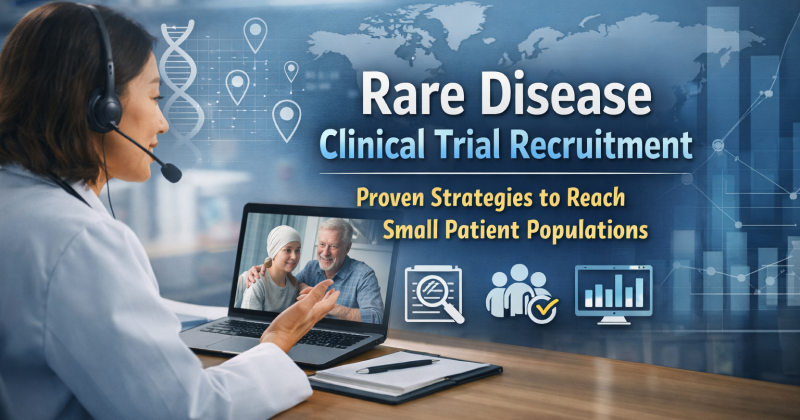
  • Rare Disease Clinical Trial Recruitment: Proven Strategies for Reaching Small Patient Populations

    Rare Disease Clinical Trial Recruitment: Proven Strategies for Reaching Small Patient Populations

    Rare disease clinical trial recruitment presents unique challenges that traditional enrollment models are not designed to solve, particularly when patient populations are extremely small, geographically dispersed, and often underdiagnosed. For sponsors and CROs, these trials are urgent due to high unmet medical need, yet they are also among the most difficult studies to execute.

    Conventional site-based recruitment methods often fall short in rare disease trials. Limited registries, delayed diagnosis pathways, and low disease awareness reduce the effectiveness of physician-only referrals. As a result, sponsors must adopt more targeted, patient-first recruitment strategies to ensure feasibility and protect trial timelines.

    Learn how DecenTrialz supports rare disease clinical trial recruitment 

    Why Rare Disease Clinical Trial Recruitment Is So Challenging

    Rare disease enrollment challenges are driven by structural constraints rather than operational inefficiencies. Most rare conditions affect a very small number of individuals, sometimes only a few hundred patients globally.

    Patients are frequently dispersed across wide geographic regions, making centralized site access difficult. Many experience long diagnostic journeys, often receiving care outside of specialty centers. Limited awareness among healthcare providers and patients further narrows the recruitment funnel, while caregivers and sites face increased logistical and administrative burden.

    The Impact of Small Patient Populations on Trial Feasibility

    Small patient populations significantly influence feasibility assumptions in rare disease trials. Enrollment projections based on site databases or historical performance are often inaccurate because eligible patients may not be actively followed at participating centers.

    Recruitment risk frequently emerges late in the startup phase, after sites are activated and timelines are committed. Without broader population-level insight, sponsors face increased delays, higher costs, and protocol amendments that could have been avoided with earlier visibility.

    Limited Registries and Underserved Communities

    Many rare conditions and diseases lack comprehensive, up-to-date patient registries. Existing registries may be fragmented, region-specific, or biased toward academic health systems, leaving large portions of the population unaccounted for.

    Underserved communities are particularly underrepresented, leading to missed feasibility signals and limited diversity. Effective rare disease clinical trial recruitment requires outreach beyond traditional sites to engage patients who are not already connected to specialty care networks.

    Why Traditional Recruitment Models Fall Short for Rare Condition Trials

    Traditional recruitment models for rare condition trials rely heavily on local investigator referrals and manual screening processes. This approach assumes that eligible patients are already diagnosed, engaged in care, and accessible through study sites.

    In practice, manual screening increases site burden and leads to high screen-failure rates. These inefficiencies slow enrollment and limit scalability, making it difficult to support complex rare disease protocols.

    Modern Strategies That Work in Rare Disease Recruitment

    AI-Powered Patient Identification

    AI plays an increasingly important role in accelerating rare disease clinical trial recruitment by identifying potential participants beyond site databases. By leveraging broader clinical and behavioral signals, AI supports earlier feasibility validation and more accurate recruitment planning.

    This approach allows sponsors to assess population availability sooner, reducing downstream enrollment risk.

    Digital Pre-Screening to Improve Referral Quality

    Digital pre-screening improves referral quality by evaluating basic eligibility before patients are referred to sites. This reduces unnecessary screen failures, protects site capacity, and respects patient time by setting clearer expectations early in the process.

    For sponsors, this results in a cleaner, more efficient recruitment funnel.

    Partnerships With Advocacy Groups and Online Communities

    Advocacy organizations play a central role in rare disease research by building trust and awareness within patient communities. Partnerships with national and global groups help sponsors reach individuals who may not be visible through clinical settings alone.

    Online communities for recruiting patients to rare disease clinical trials further extend reach by enabling education and engagement in familiar, trusted environments.

    Improving Access Without Changing Trial Design

    Improving access in rare disease clinical trial recruitment does not always require changes to the trial design itself. Many barriers arise from limited awareness, unclear eligibility criteria, and delayed engagement rather than visit logistics.

    Digital education, advocacy-led outreach, and structured pre-screening workflows help patients and caregivers understand trial opportunities earlier. By reducing confusion and unnecessary referrals, sponsors can improve participation and retention while maintaining traditional site-based study models.

    Using Real-World Data to Strengthen Rare Disease Feasibility

    Real-world data sources such as EHRs, claims data, and genetic databases provide valuable insight into rare genetic conditions. These data help improve early funnel accuracy, support better protocol-to-population alignment, and reduce late-stage recruitment challenges.

    Research initiatives from organizations such as the National Institutes of Health and global registries like Orphanet highlight the importance of structured data in rare disease planning.

    The Role of Instant Match in Rare Disease Trials

    Instant match capabilities support faster identification of potential participant fit without overwhelming study sites. Early discovery and engagement allow sponsors to assess feasibility sooner while maintaining a patient-first approach that minimizes unnecessary site workload.

    How DecenTrialz Supports Rare Disease Clinical Trial Recruitment

    DecenTrialz supports rare disease clinical trial recruitment through AI-enabled patient identification, trusted advocacy connections, digital pre-screening workflows, and cleaner referrals to research sites. The focus remains on patient-first engagement and sponsor-ready execution, without exaggerated claims or unnecessary complexity.

    Connect with DecenTrialz to improve rare-disease trial enrollment 

  • Understanding FDA Diversity Guidance for Clinical Trials

    Understanding FDA Diversity Guidance for Clinical Trials

    FDA diversity guidance is redefining how the U.S. approaches clinical research and inclusion. A few years ago, a promising heart medication entered late-stage testing. The results were strong until post-market data revealed that it worked differently among certain racial groups. It wasn’t that the drug failed; it was that the trial hadn’t fully represented the people it aimed to help.

    That discovery wasn’t an isolated event. Across decades, underrepresentation in clinical research has led to knowledge gaps in how medicines perform across diverse populations. For many communities, Black, Hispanic, Indigenous, Asian American, rural, and older adults, clinical trials often felt distant, inaccessible, or irrelevant.

    To change that narrative, the U.S. Food and Drug Administration (FDA) introduced new guidance designed to make diversity not an afterthought but a standard. The FDA’s Diversity Action Plan marks a major step toward inclusive research that reflects the reality of modern America.

    What the FDA’s Diversity Action Plan Means

    The new FDA diversity guidance focuses on one clear goal: ensuring that clinical trials, especially late-stage or Phase 3 trials, accurately represent the patients who will use the medical products being studied.

    Under this guidance, sponsors of most pivotal clinical studies must now develop and submit a Diversity Action Plan. This plan outlines how sponsors intend to enroll participants who reflect the demographic makeup of the people most affected by the disease or condition under study.

    The FDA explains that such plans will help improve both trial enrollment diversity and the scientific validity of results. In essence, the guidance moves the conversation from “why diversity matters” to “how diversity will be achieved.”

    Read the full details in the FDA’s draft guidance on diversity in clinical trials.

    Key Requirements for Sponsors

    The FDA’s Diversity Action Plan isn’t just a formality; it’s a blueprint for accountability. Sponsors will be required to include several key components.

    1. Enrollment Targets by Race and Ethnicity

    Sponsors must set specific, data-informed goals for participant representation. These targets should align with the population most affected by the condition and be justified with epidemiological data.

    2. Community Engagement Strategies

    Recruitment plans must go beyond standard outreach. The FDA emphasizes partnerships with local clinics, community leaders, and advocacy groups, especially in underrepresented or rural areas, to build trust and awareness about ongoing trials.

    3. Reducing Participant Burden

    Recognizing that distance, cost, and time often limit participation, the FDA encourages practical solutions such as:

    • Remote data collection or hybrid trial designs
    • Transportation and childcare support
    • Simplified consent and follow-up processes

    These steps help remove barriers that have historically excluded diverse participants.

    4. Ongoing Monitoring and Updates

    Diversity isn’t a one-time goal. Sponsors should plan for continuous monitoring and adjust outreach or site strategies if enrollment falls short of projections.

    Timeline and Compliance

    The new rule is expected to take effect 180 days after the final guidance is published in 2025. Once in force, it will apply to most late-stage (Phase 3) and pivotal trials for drugs, biologics, and medical devices that require FDA approval or clearance.

    This gives sponsors and research organizations time to prepare by reviewing their recruitment practices, strengthening partnerships, and rethinking how trials can better serve the communities that rely on them.

    Why Diversity Improves Outcomes

    Beyond compliance, clinical trial diversity leads to better science and more equitable care. Here’s why it matters:

    • Better Data Accuracy: Drugs can metabolize differently across genetic backgrounds, age groups, and sexes. A diverse trial population helps uncover these differences early.
    • Increased Patient Trust: When communities see themselves represented in research, they’re more likely to participate and trust medical recommendations.
    • More Effective Treatments: Inclusive research ensures that therapies are designed and dosed appropriately for all who might use them, not just the majority group that historically dominates study data.
    • Public Health Equity: Diversity in trials brings us closer to achieving fair access to life-changing medical innovation for everyone.

    Practical Tips for Sponsors and Sites

    While the guidance provides a framework, proactive steps can make all the difference. Here are several ways sponsors and sites can prepare now:

    1. Assess Current Demographics: Review existing trial data to identify representation gaps.
    2. Build Local Partnerships: Collaborate with hospitals, churches, and patient advocacy groups serving underrepresented communities.
    3. Simplify Enrollment: Make trial materials easy to understand, avoid jargon, and translate materials when needed.
    4. Offer Supportive Logistics: Reimburse travel costs, offer flexible visit times, or use telemedicine to reduce burden.
    5. Train Staff for Cultural Competence: Equip study teams to communicate effectively and sensitively with participants from all backgrounds.
    6. Leverage Data Tools: Use digital platforms to analyze diversity metrics in real time and adjust recruitment strategies dynamically.

    How Technology Can Help

    While policy sets the direction, technology makes progress possible.
    At Decentrialz, our focus is on empowering research teams with tools and insights that bring diverse voices into the heart of clinical discovery.

    A Future Built on Representation

    The FDA’s Diversity Action Plan is more than a regulatory update; it’s a cultural shift in how the industry defines ethical, effective research.

    Every patient deserves to see themselves reflected in science. Every therapy deserves to be tested in the world it’s meant to serve. By building bridges between communities and clinical research, we can ensure that the next generation of treatments doesn’t just work—it works for everyone.

    And that’s the kind of progress worth striving for.